WIDE Edizioni
Parma
Emilia-Romagna
Photographs by William
The city of the dukes
Parma lies in the Emilian plain, between the Po and the Apennines, crossed by the torrent that bears its name.
For more than two centuries it was the capital of a duchy: first the Farnese, then the Bourbons, then Marie Louise of Austria. Each left palaces, gardens and collections.
These pages run from the streets of the centre to the river, from the Pilotta museums to the ducal gardens, and on to the Apennine woods.
I
The city
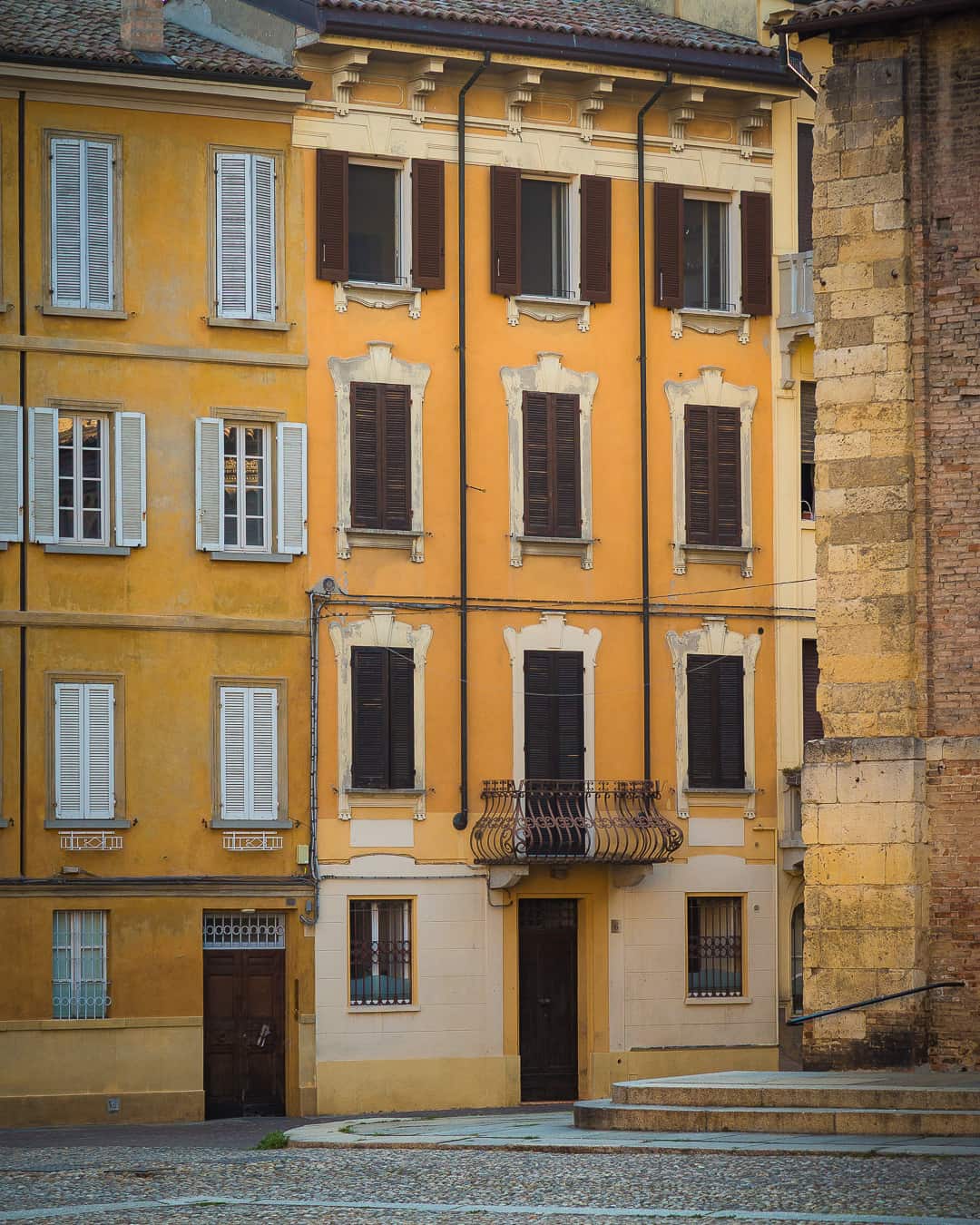
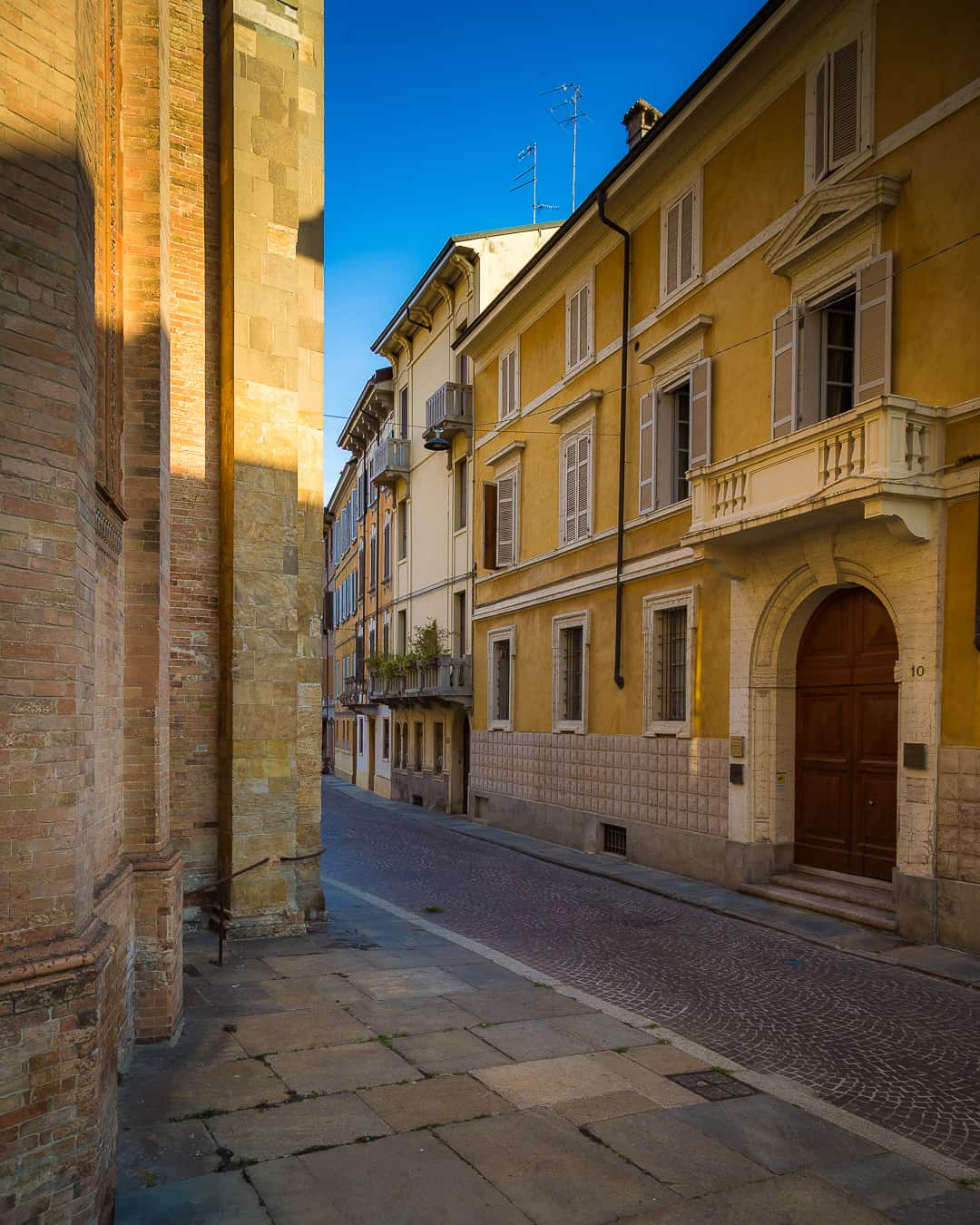
The centre of Parma is easy to cross on foot: paved streets, yellow and ochre palazzi, bell towers.
Piazza Duomo holds the Romanesque cathedral and the octagonal baptistery in pink Verona marble, begun in 1196 by Benedetto Antelami.
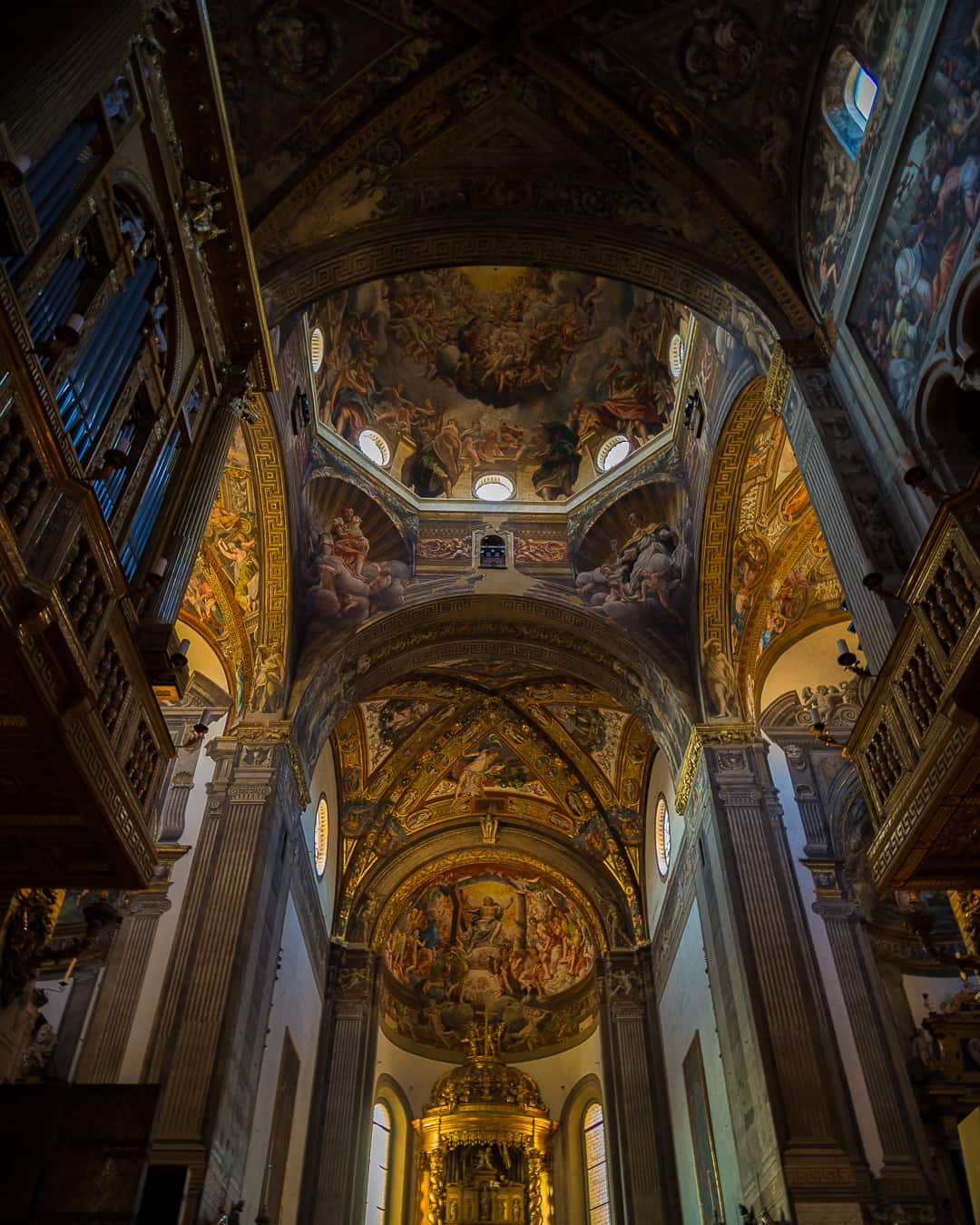
In the cathedral dome, between about 1526 and 1530, Correggio painted the Assumption of the Virgin: a whirl of clouds and angels that seems to open the ceiling onto the sky.
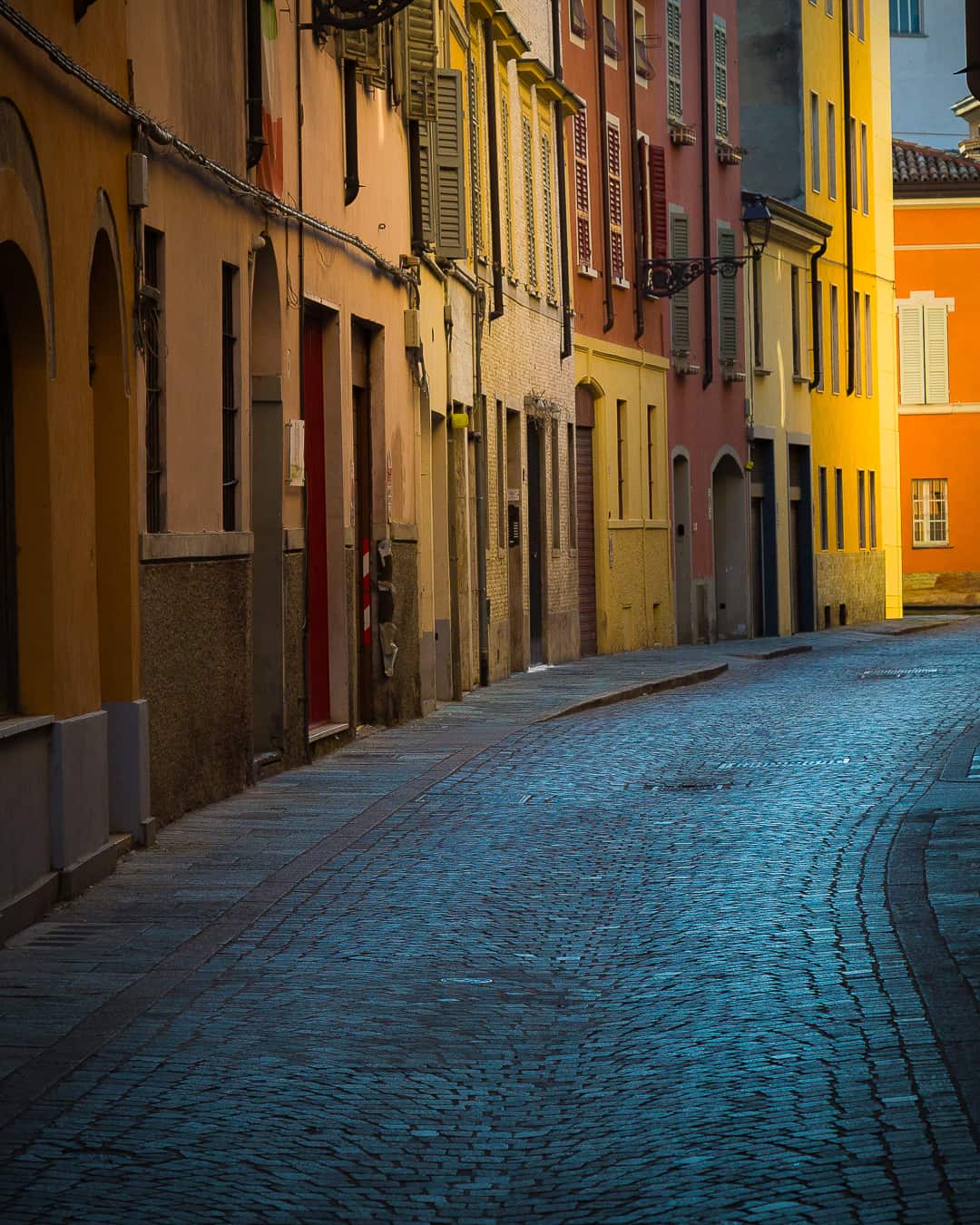
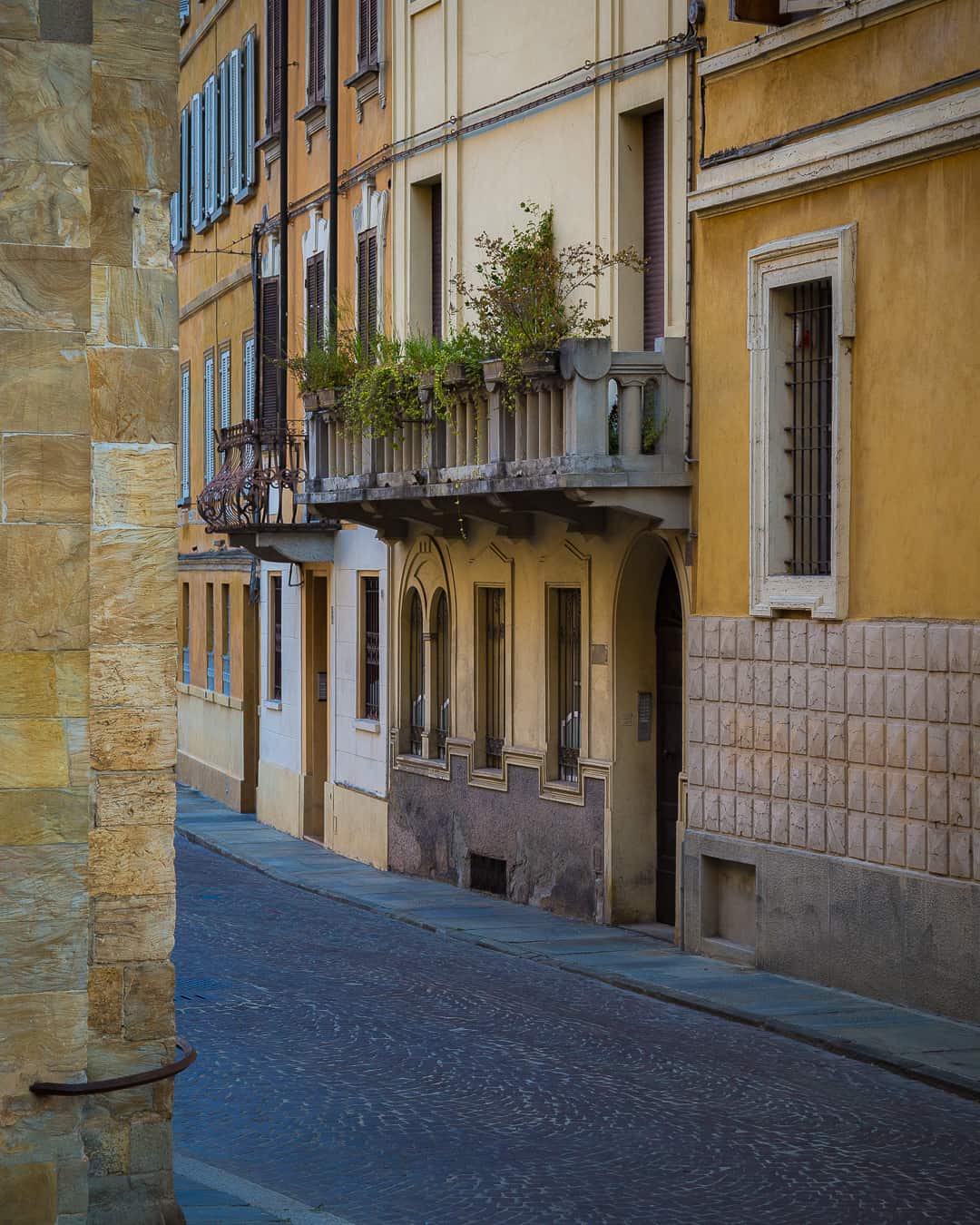
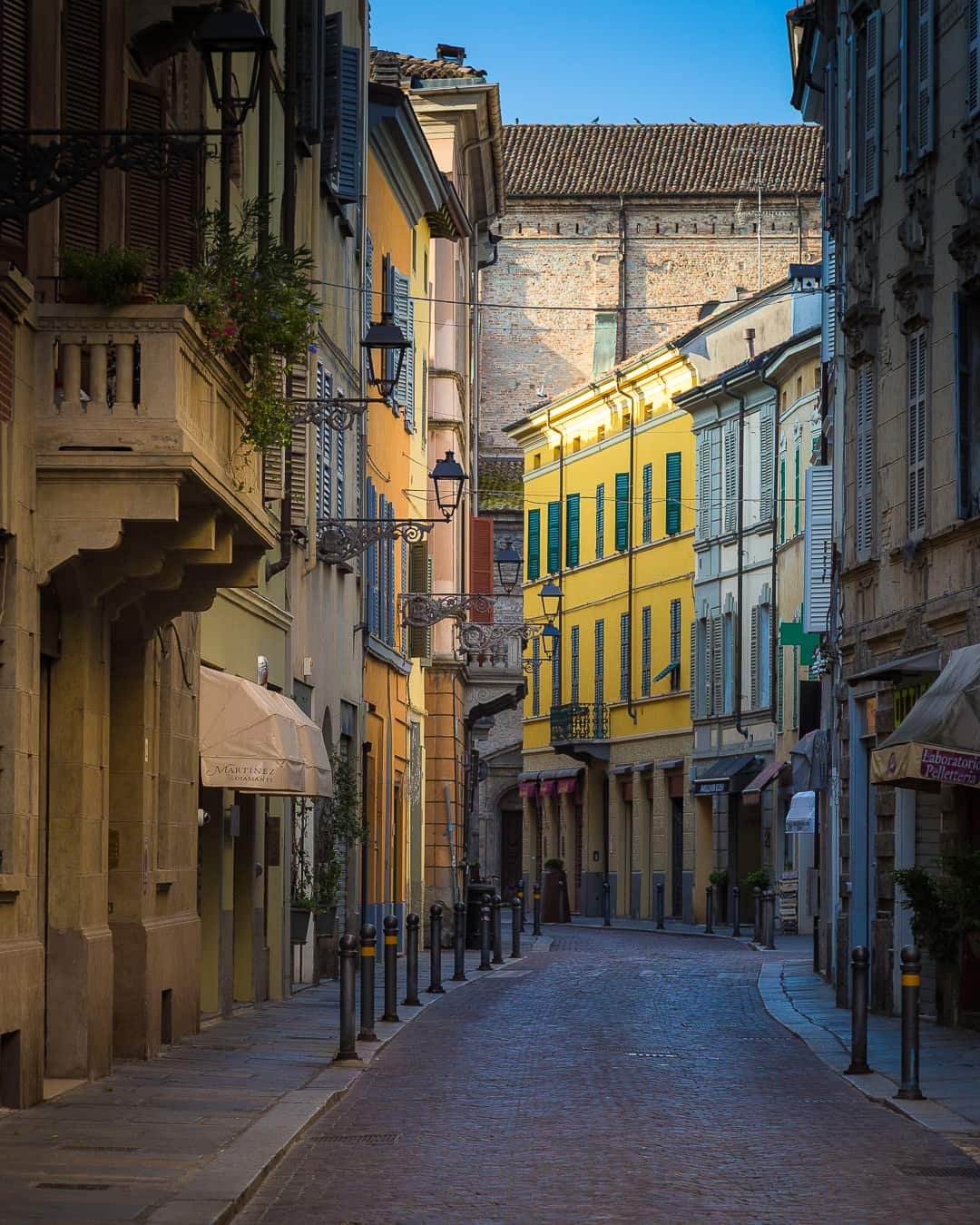
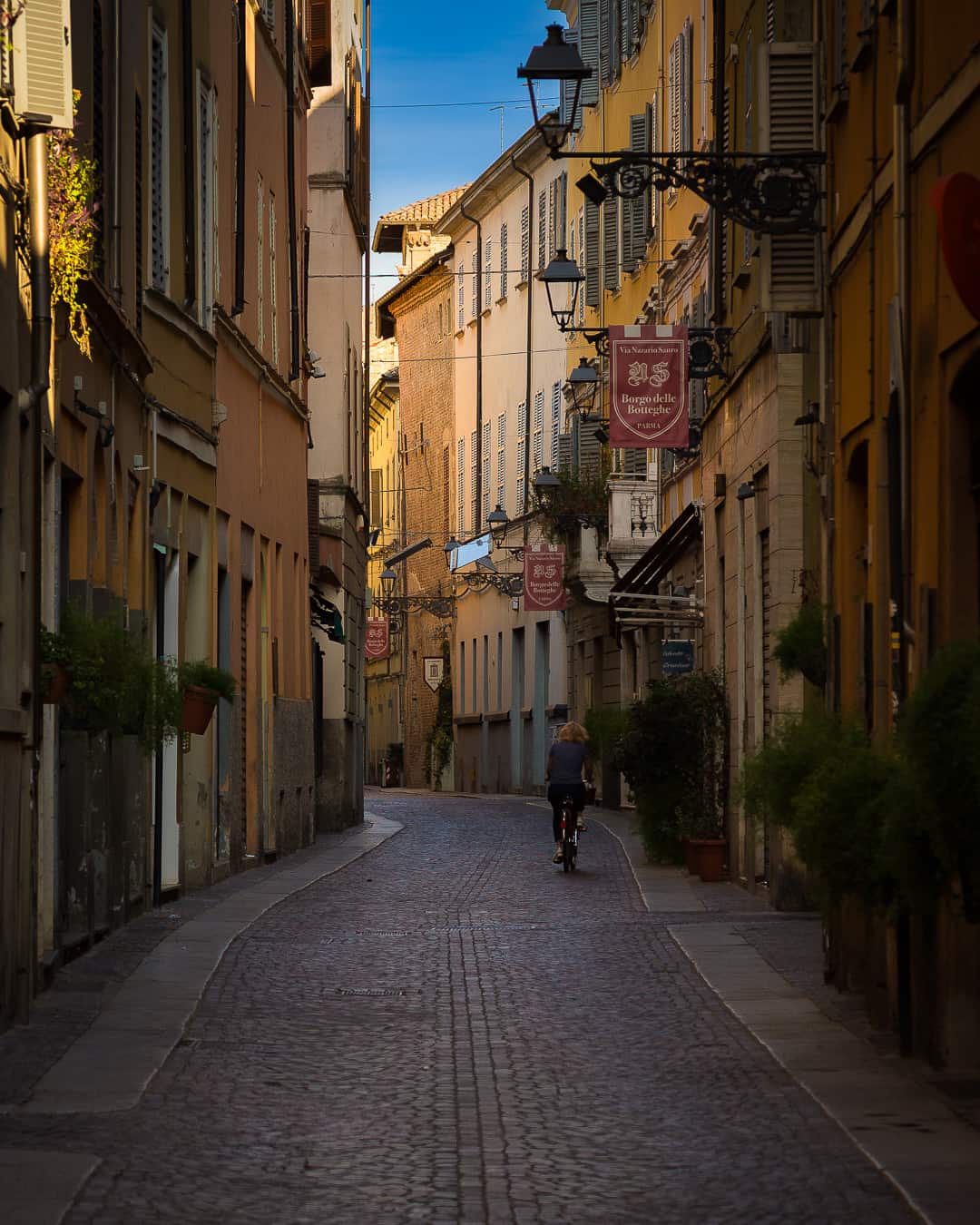
Cobbles
Shiny cobbles, ochre, orange and pink façades, a red door. The streets of the centre are narrow and quiet: here people get about on foot or by bike.
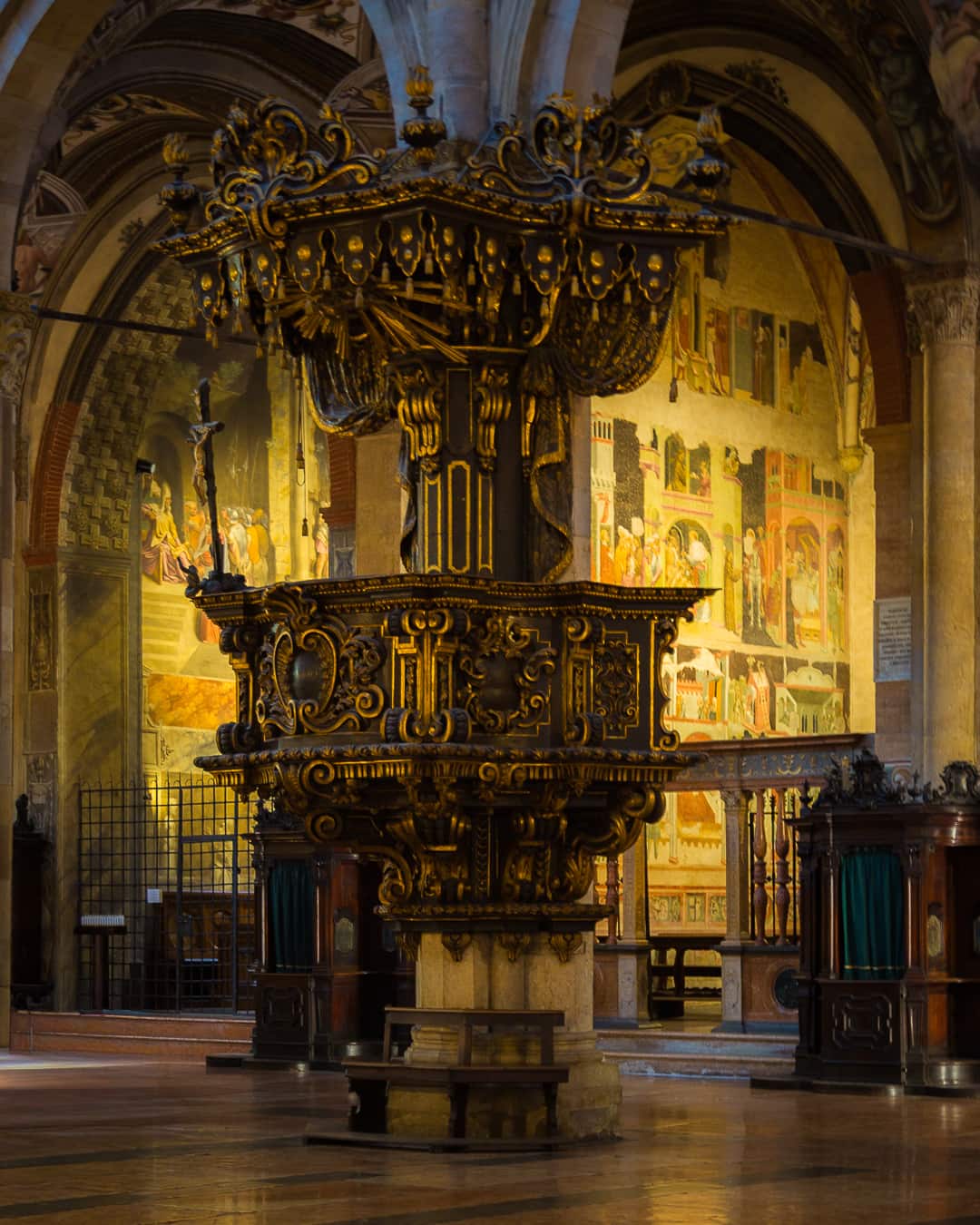
The nave
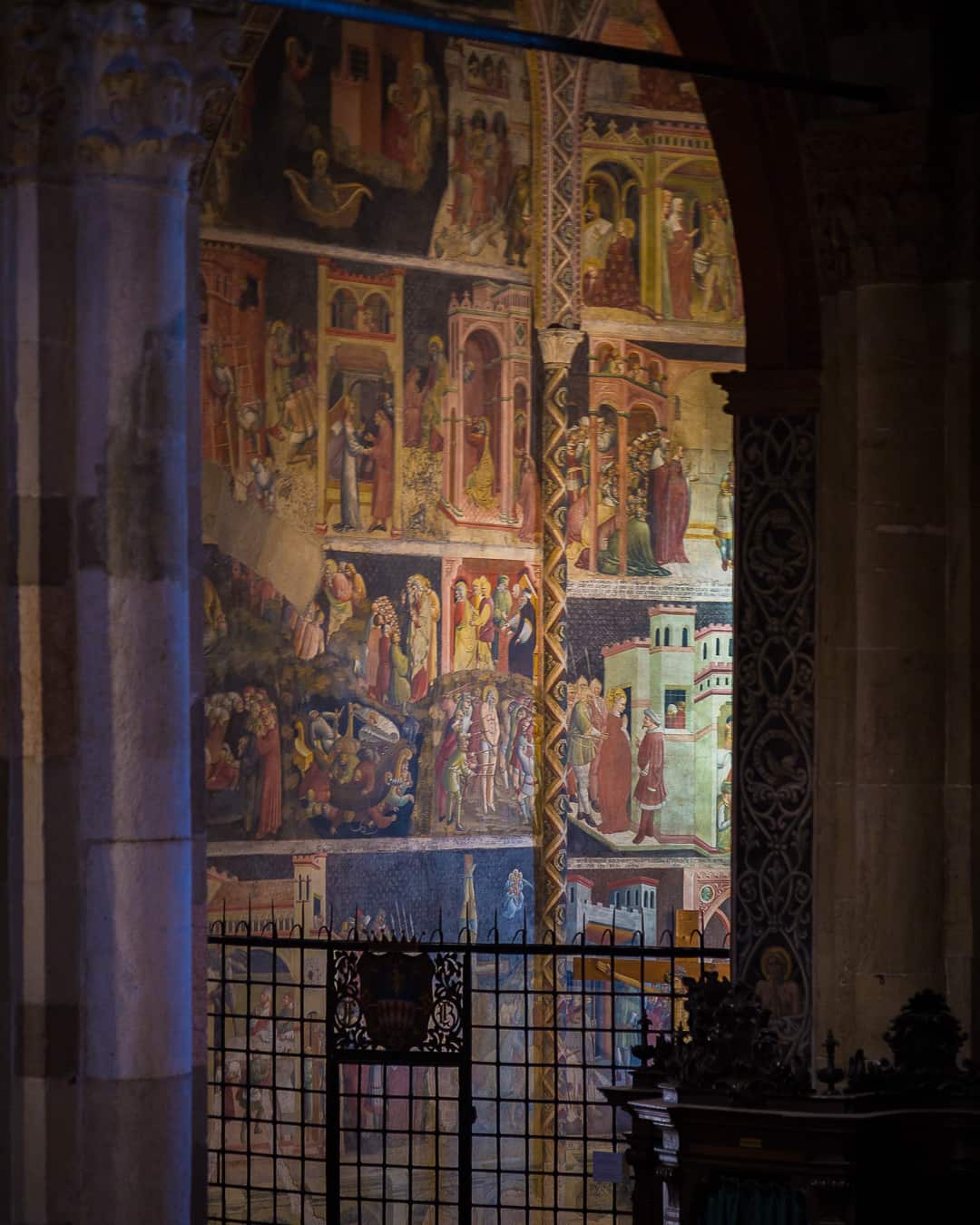
Frescoed vaults, gold, light falling from above. In Parma the surprise is often inside: you walk in through a plain door and look up.
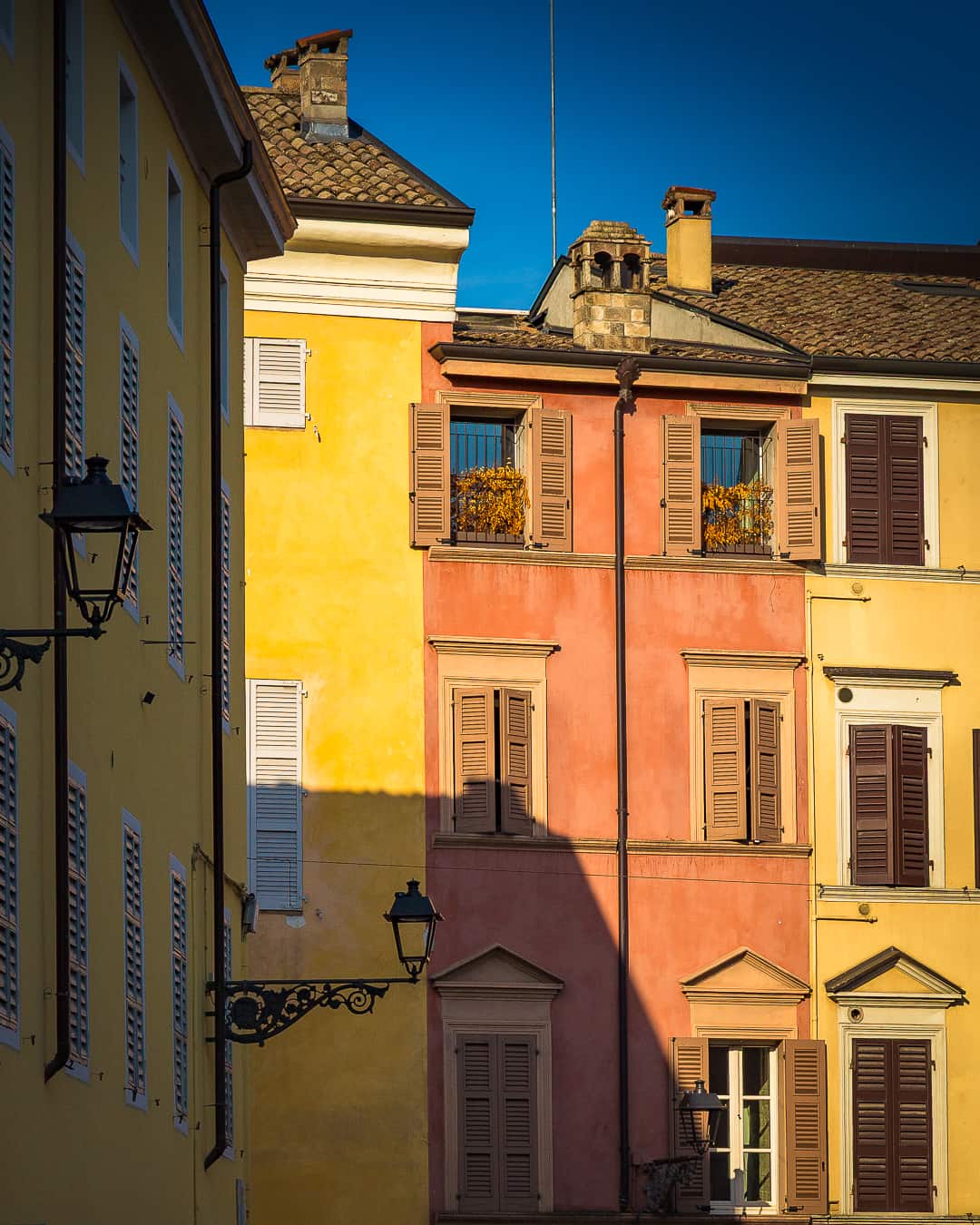
Colours
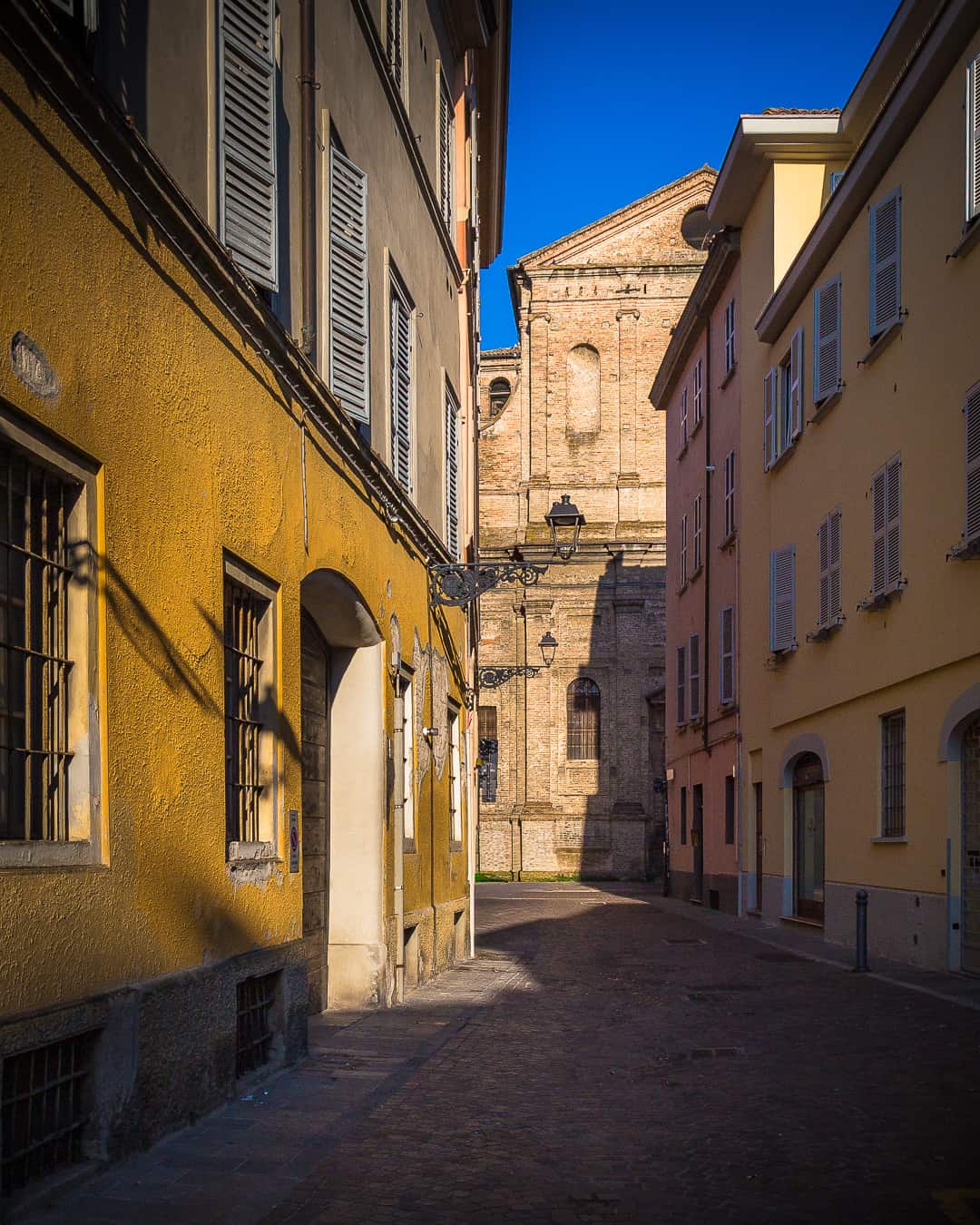
Yellow, pink, ochre, dark shutters, an iron street lamp. The warm yellow you see everywhere is what people here call Parma yellow.
II
The river
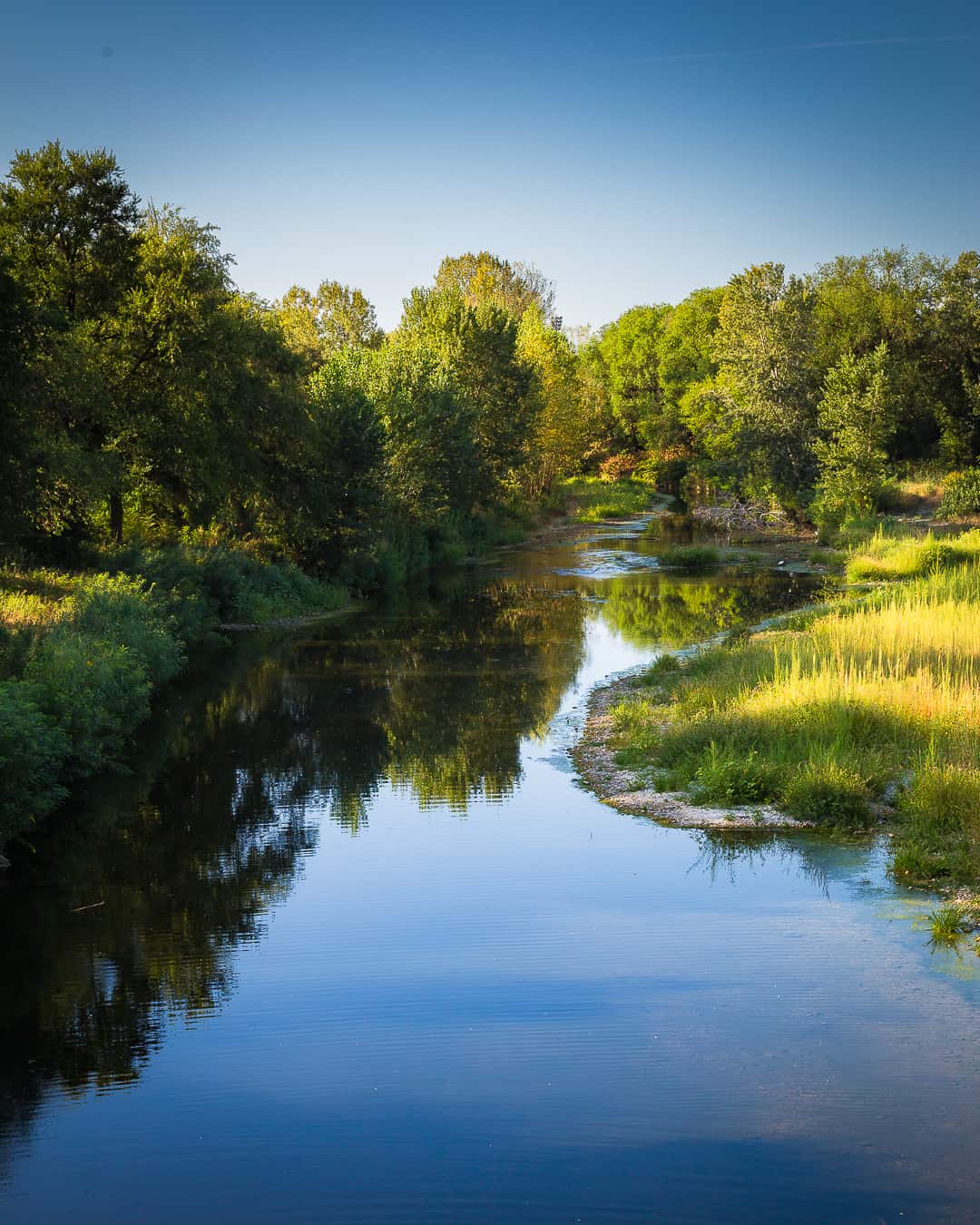
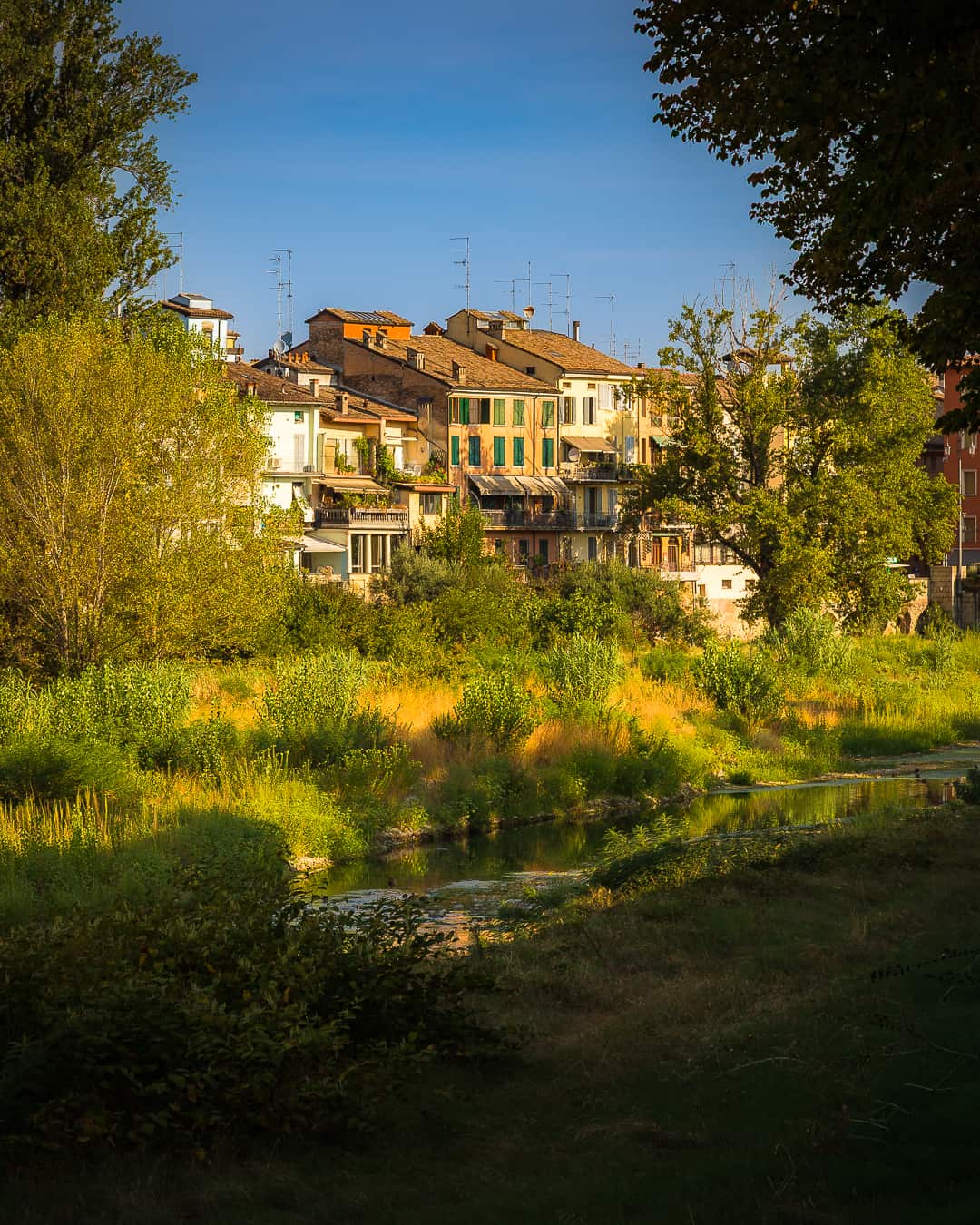
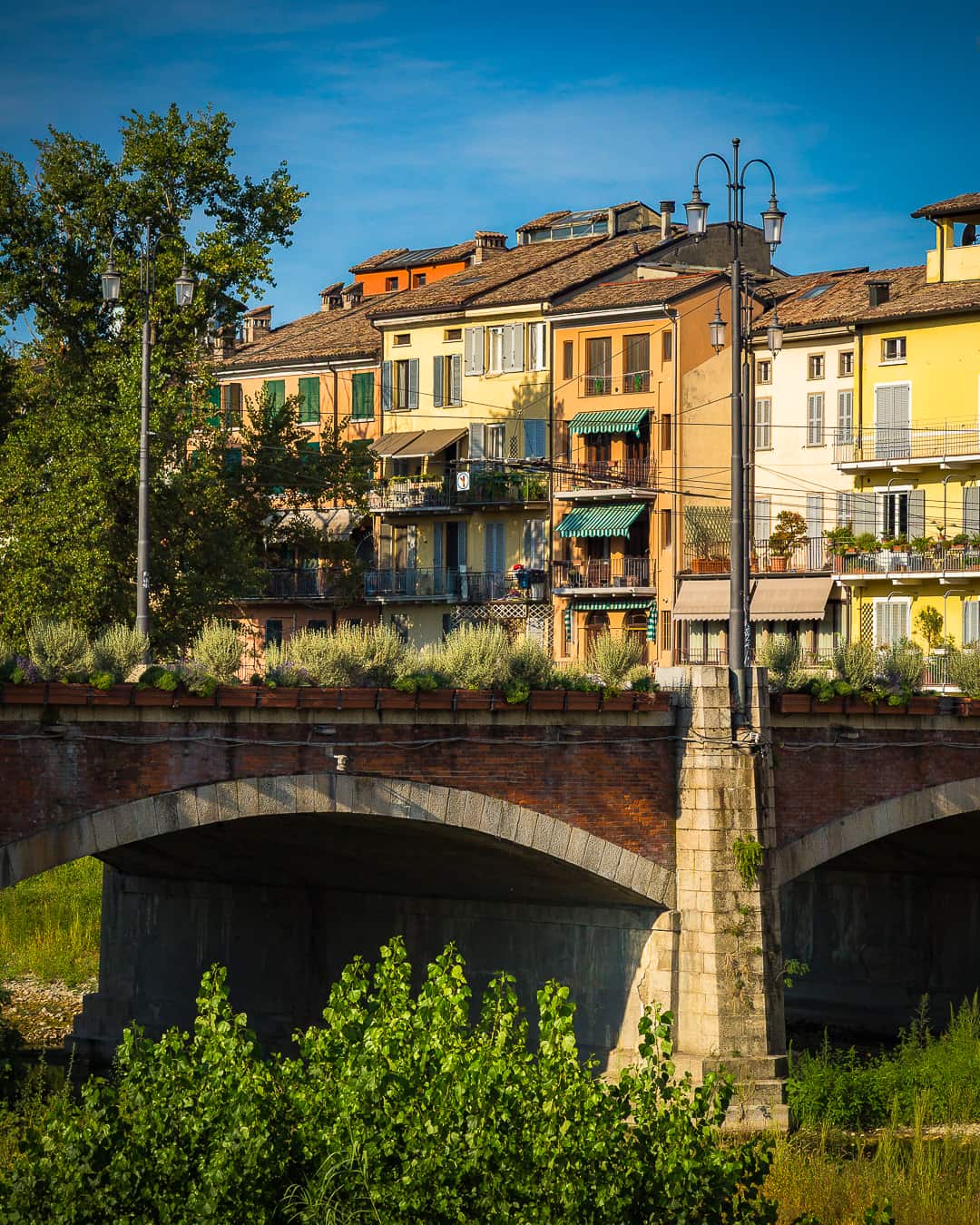
The Parma torrent cuts the city in two. On the east bank lie the centre and the Pilotta; on the west bank, the Oltretorrente and the Parco Ducale, reached by the Ponte Verdi.
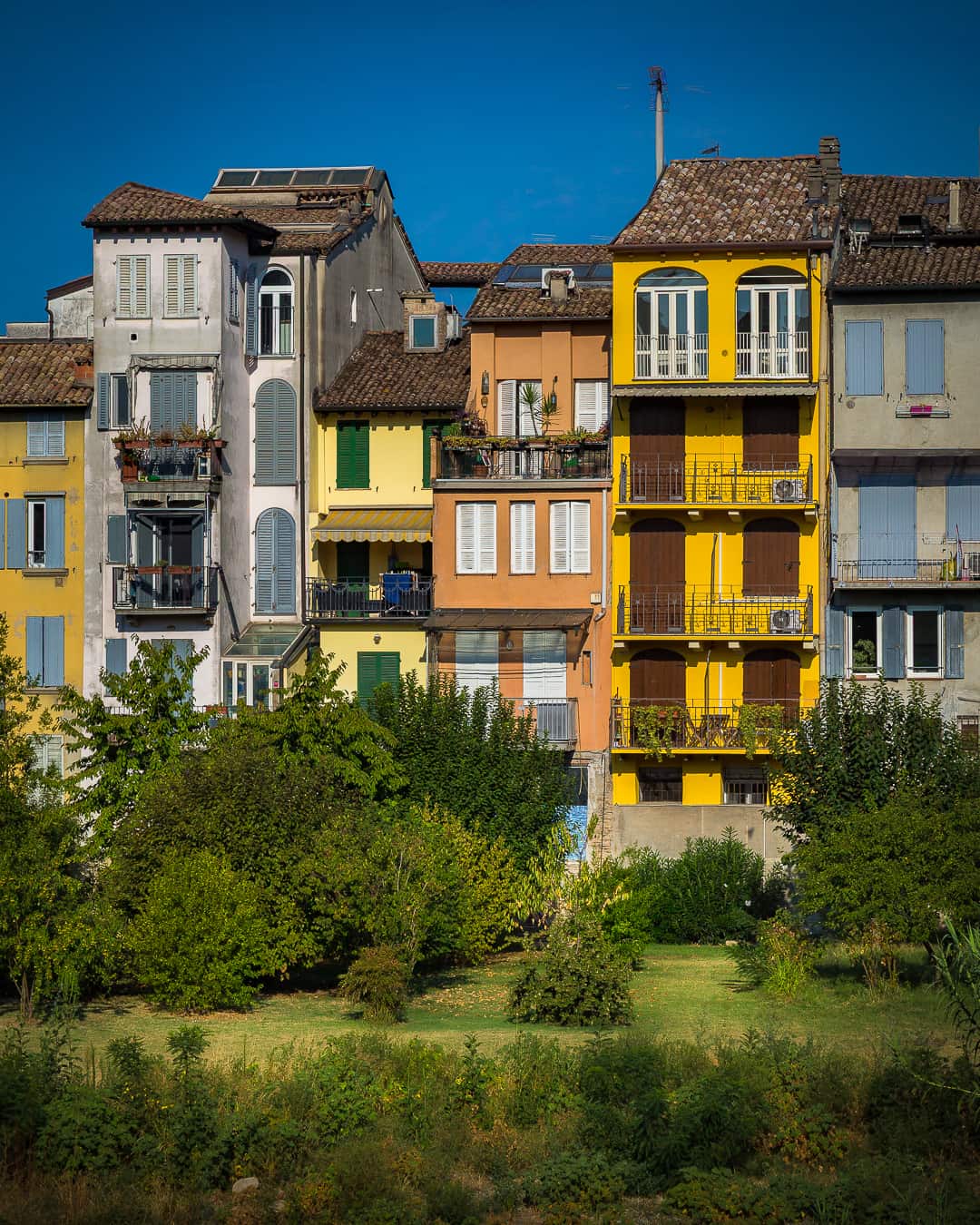
In summer the water runs low and the riverbed fills with green: a country stream in the middle of the city.
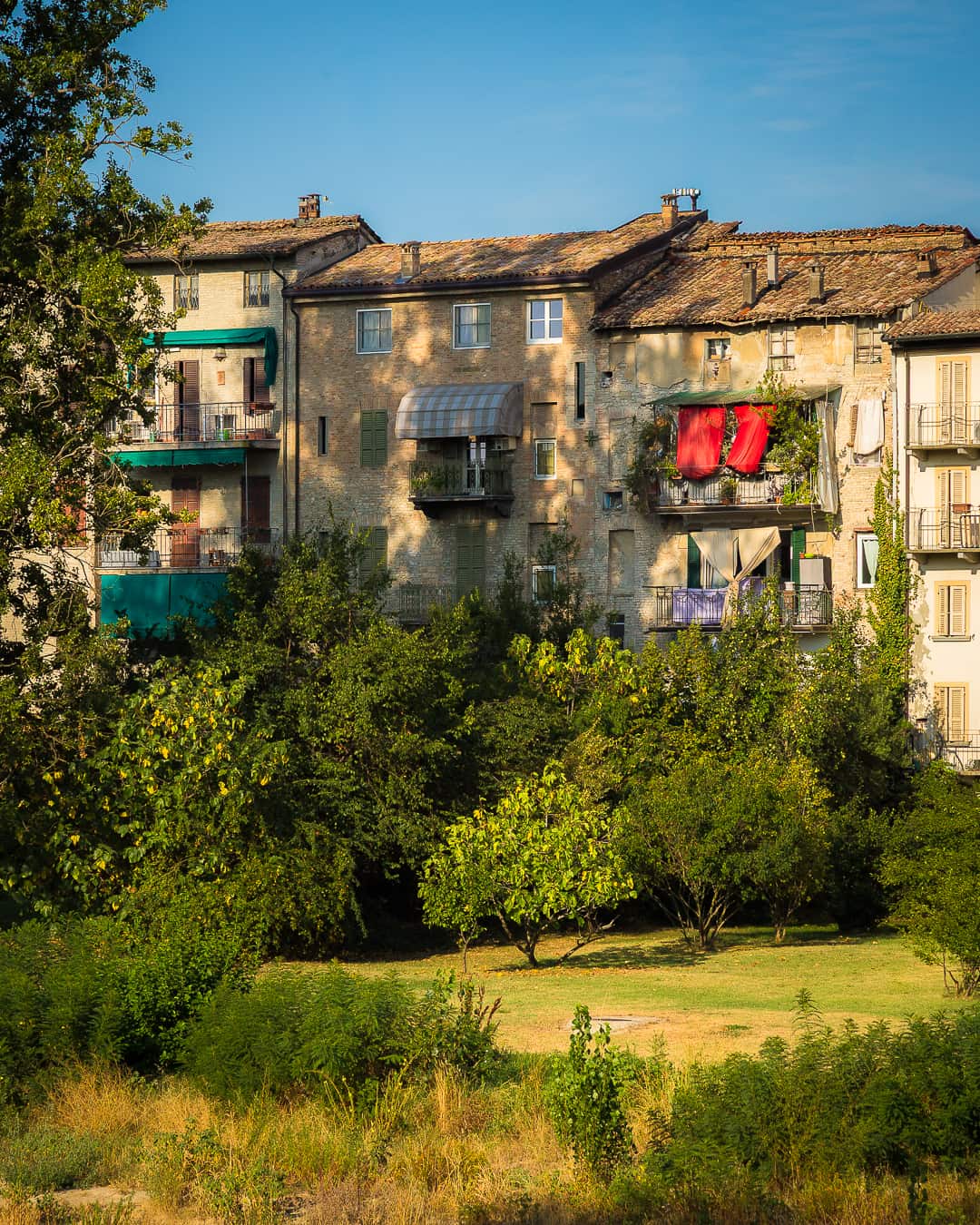
The other bank
Coloured houses facing the green, washing hung out in the sun. Across the water is the Oltretorrente, the district that looks at the centre from the opposite bank.
III
The Pilotta
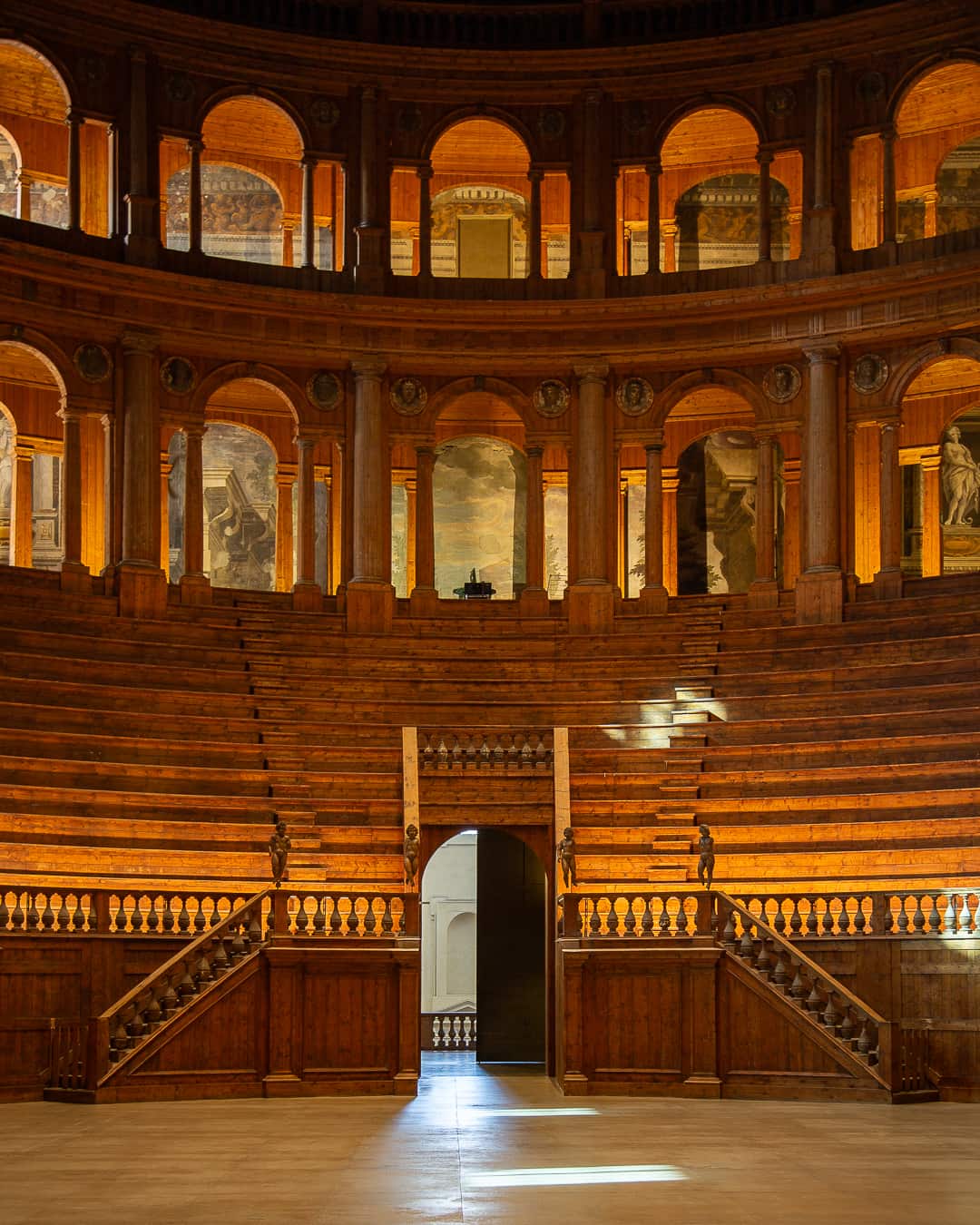
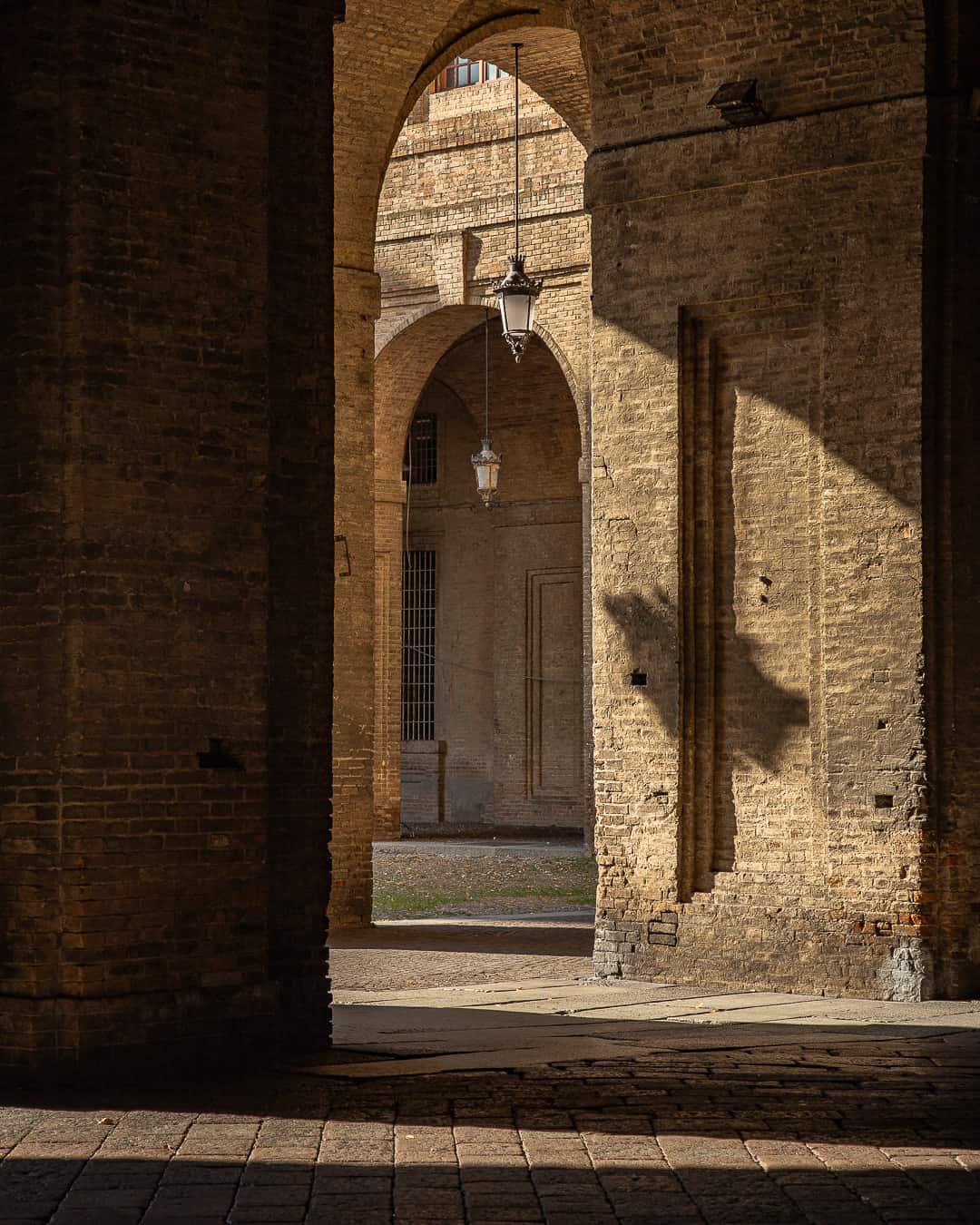
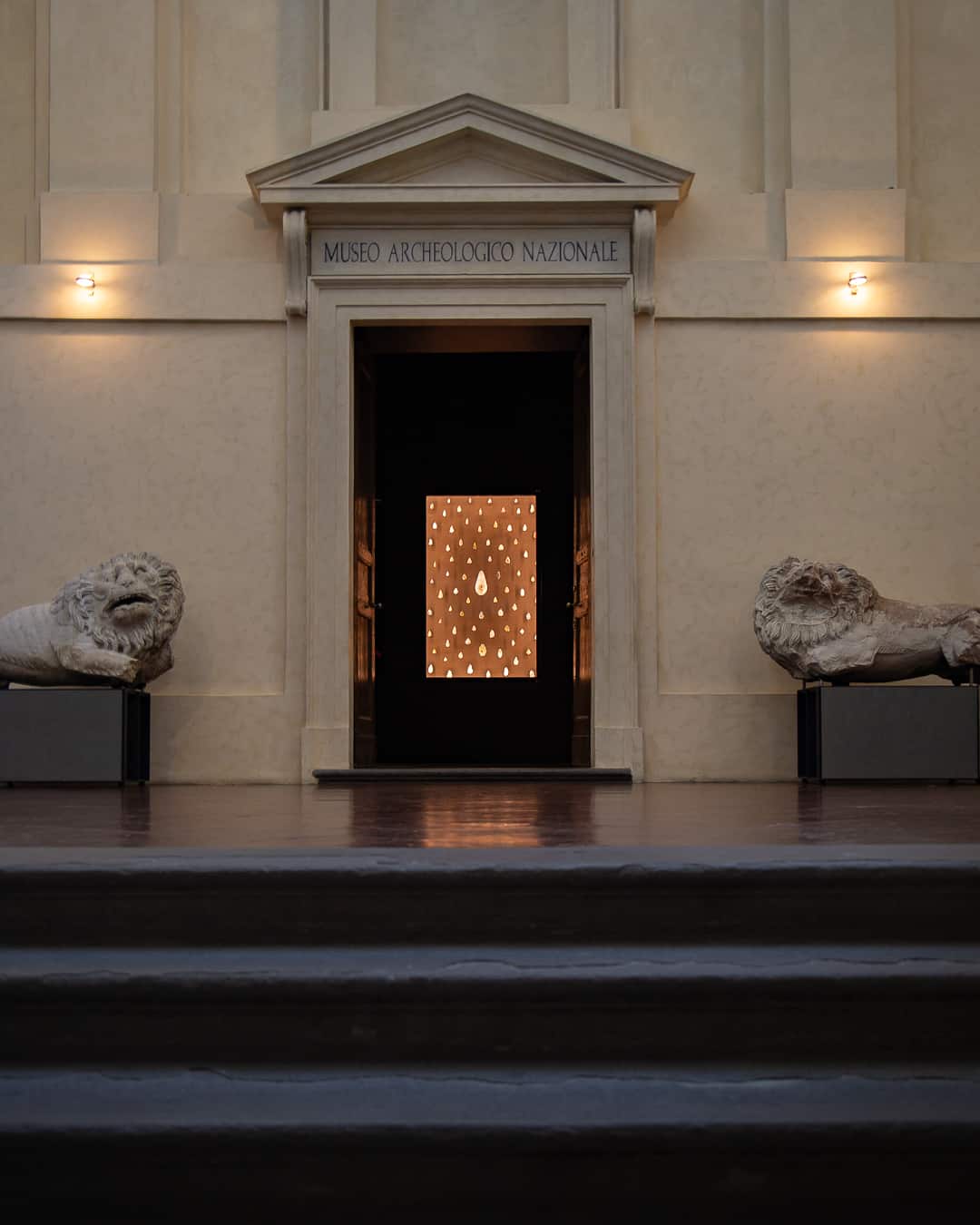
The Pilotta was built to house the services of the Farnese court. Today it brings together the Teatro Farnese, the Galleria Nazionale, the National Archaeological Museum, the Biblioteca Palatina and the Bodoni Museum.
The Teatro Farnese was built in 1617 and 1618 by Giovan Battista Aleotti for Duke Ranuccio I, in wood and painted stucco imitating marble. It was only inaugurated in 1628, for the wedding of Odoardo Farnese and Margherita de’ Medici.
Almost destroyed by bombing in May 1944, it was rebuilt to the original design. Since 1986 it has been the spectacular entrance to the museums.
The staircase
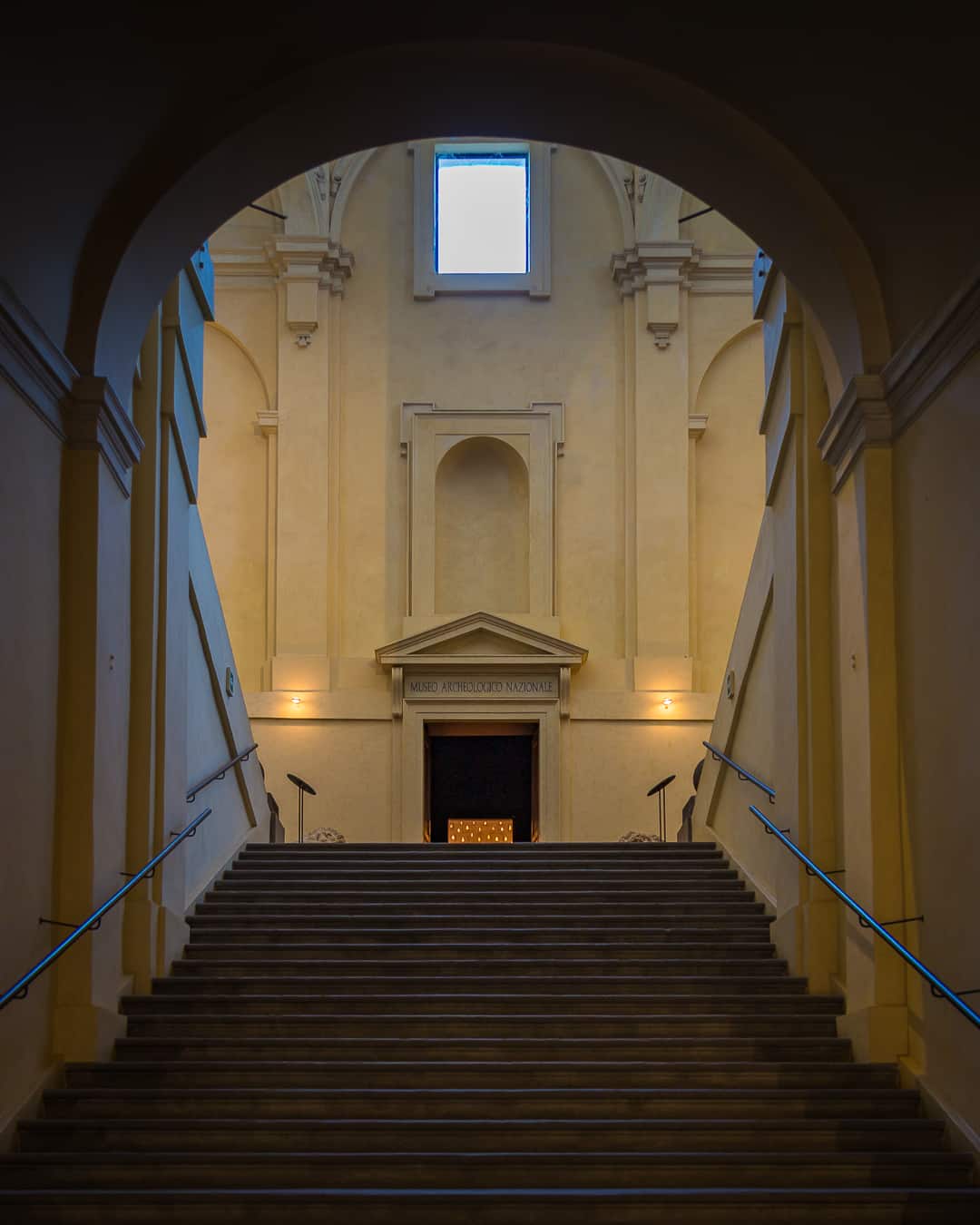
A long straight staircase, light coming from above. The Pilotta was built to house the services of the court: that is why it is so vast, and so stern.
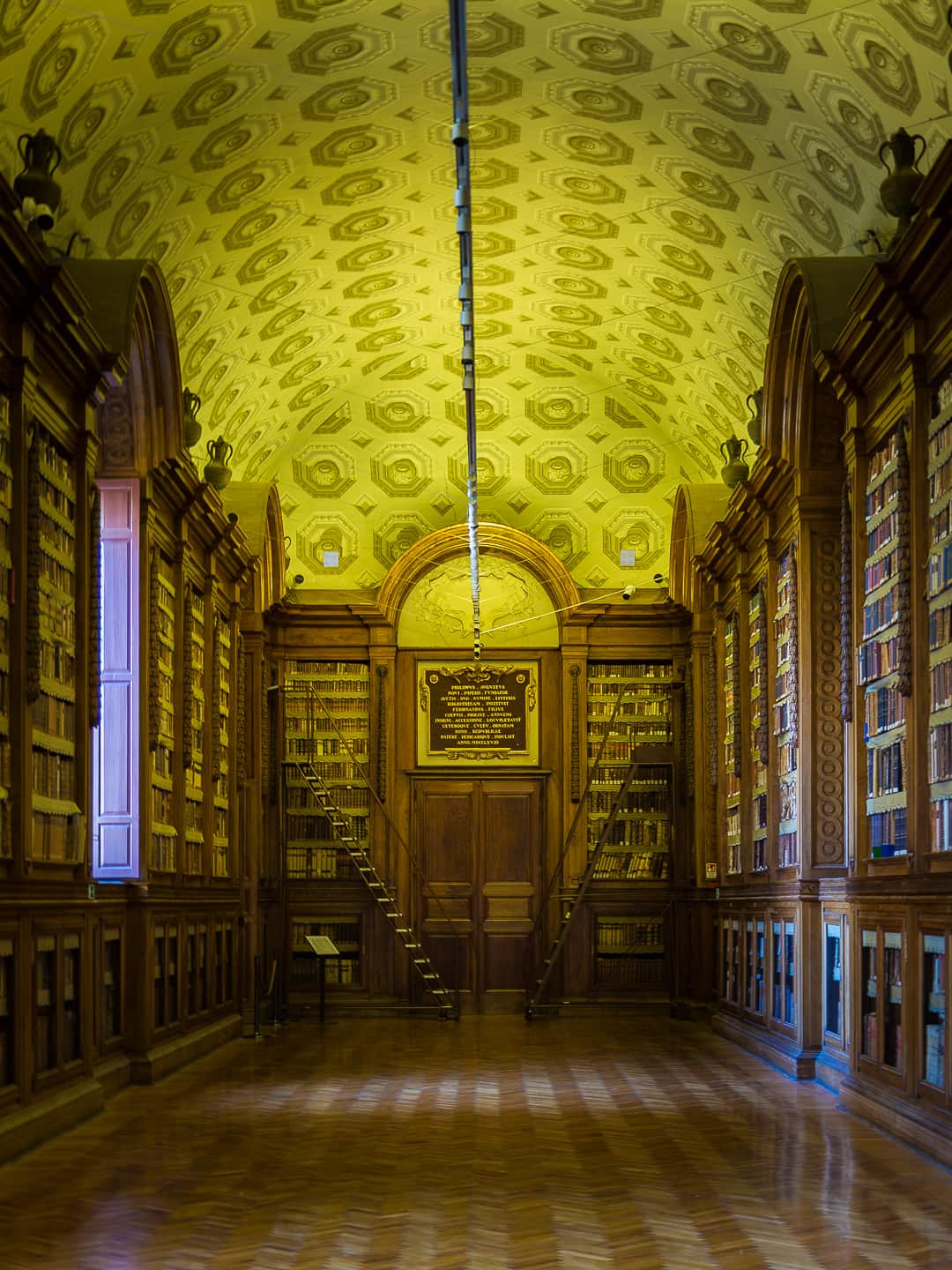
The library
Shelves up to the vault, a gleaming floor, a ladder. The Biblioteca Palatina was founded in 1761 by Duke Philip of Bourbon and holds about a million volumes.
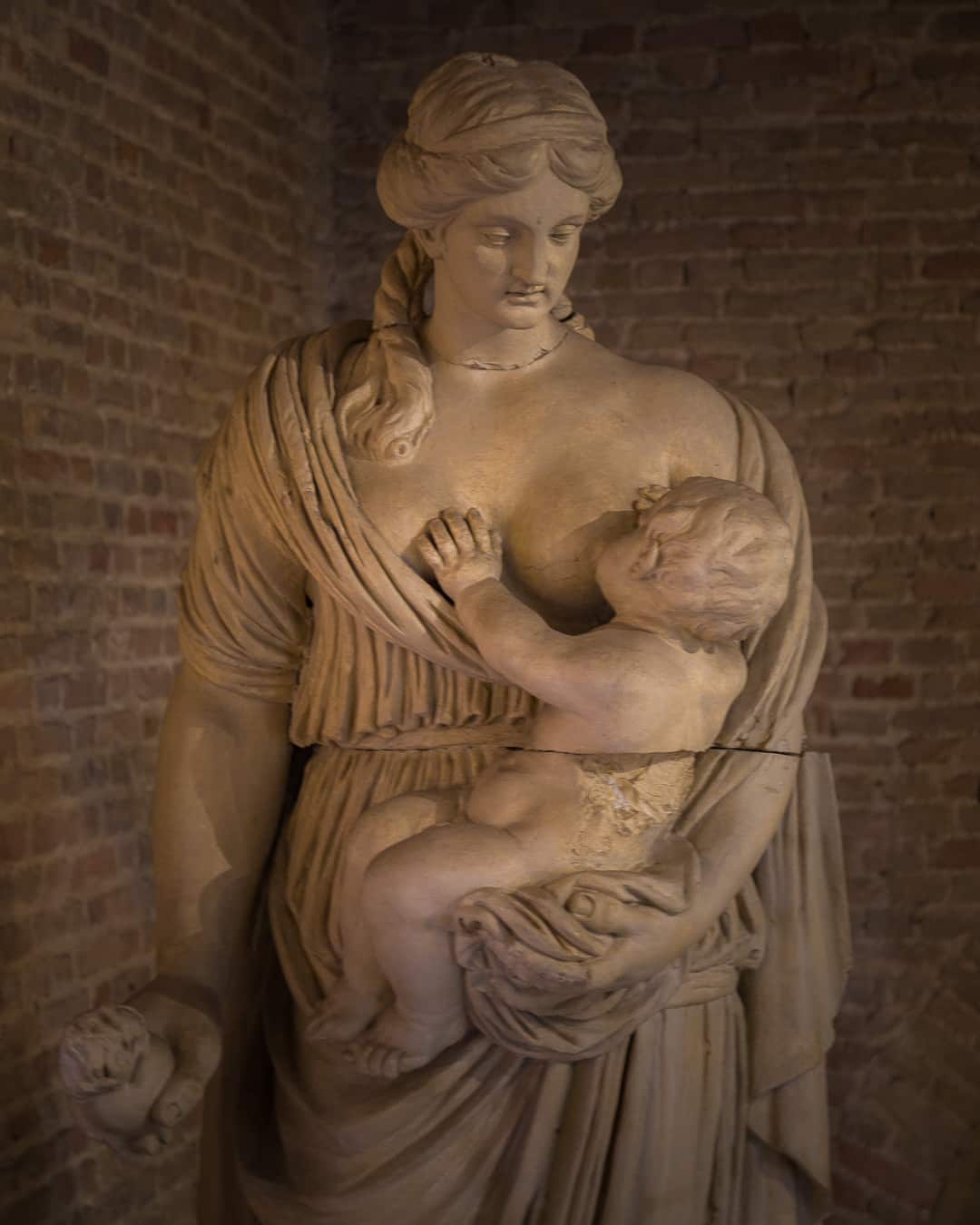
The mother
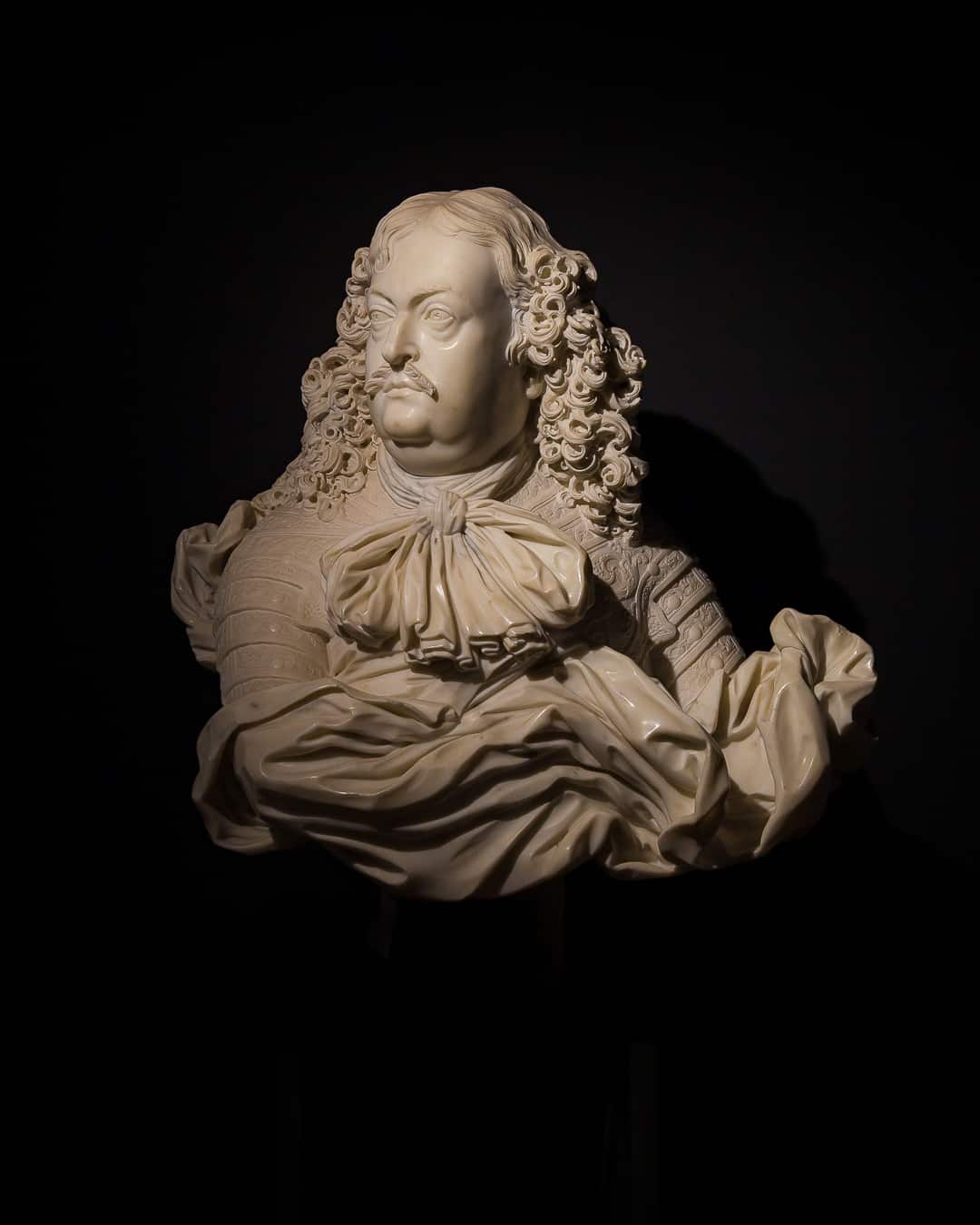
A marble mother holds her child against a bare brick wall. In these museums carved stone and the palace’s brick frame each other.
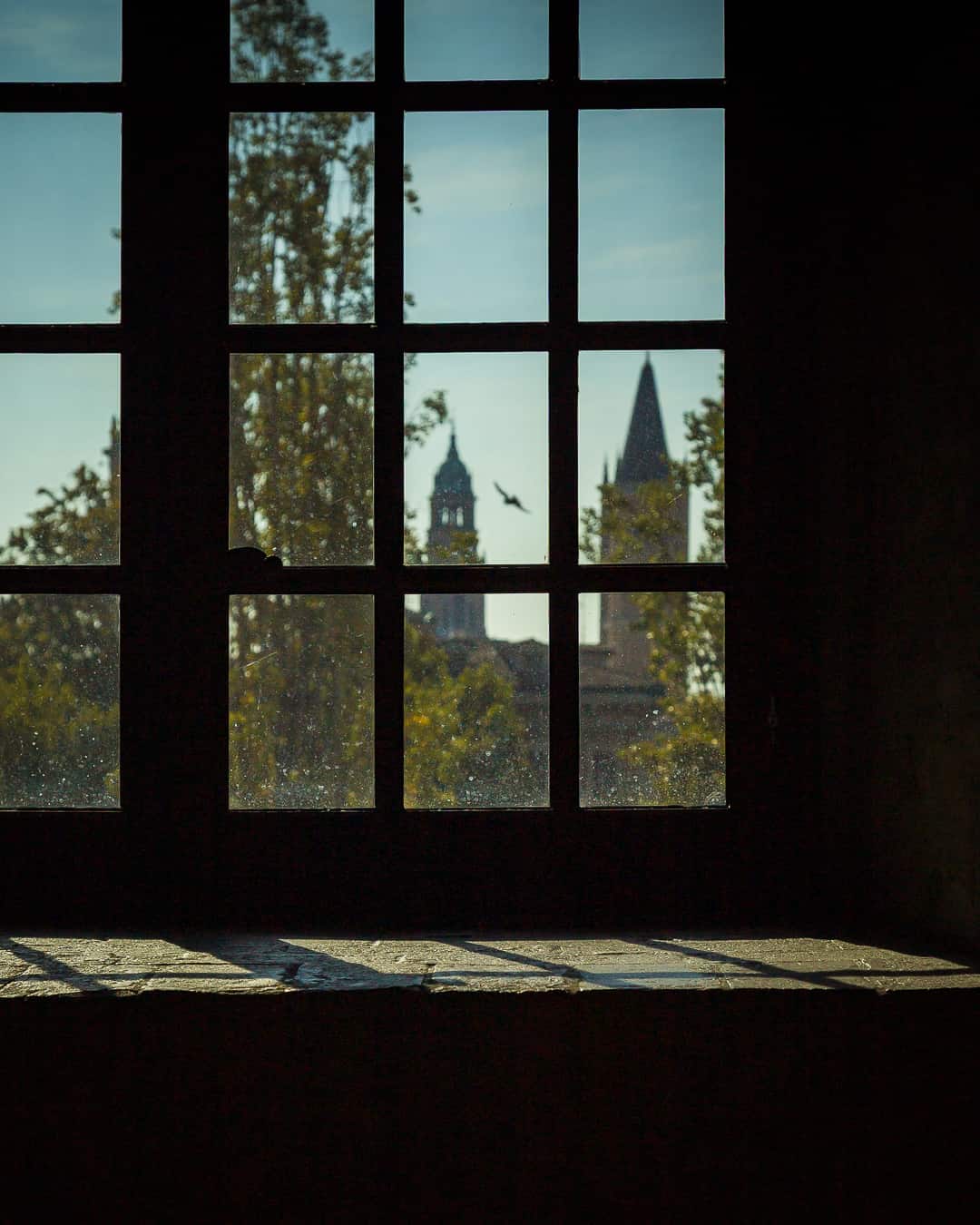
The window
A large window, the dark of the room, and outside the city’s bell towers. From the museum rooms, this is how you see Parma: framed.
IV
Paintings and sculpture
The collections of the Galleria Nazionale grew out of the Academy of Fine Arts founded in 1752 by Duke Philip of Bourbon.
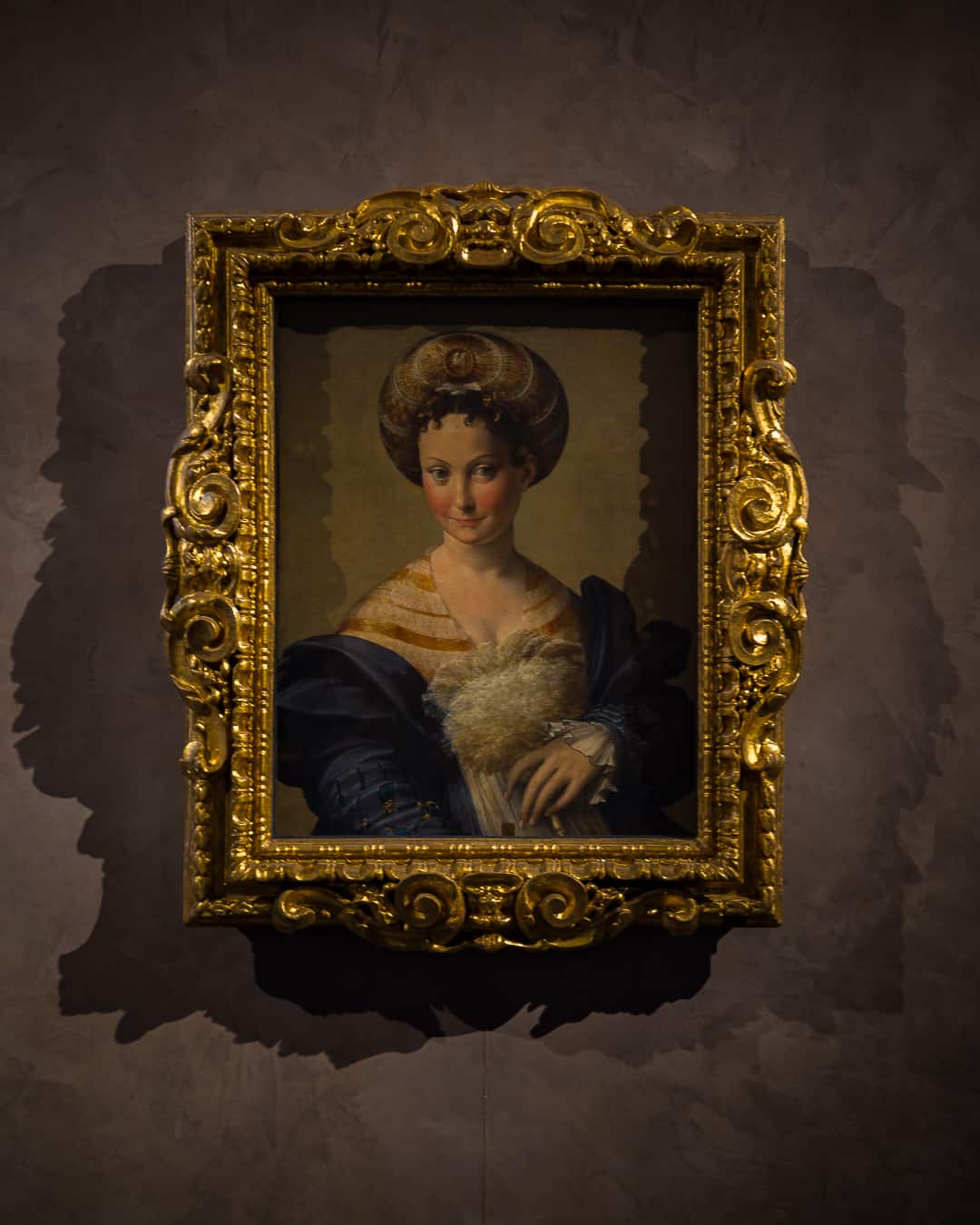
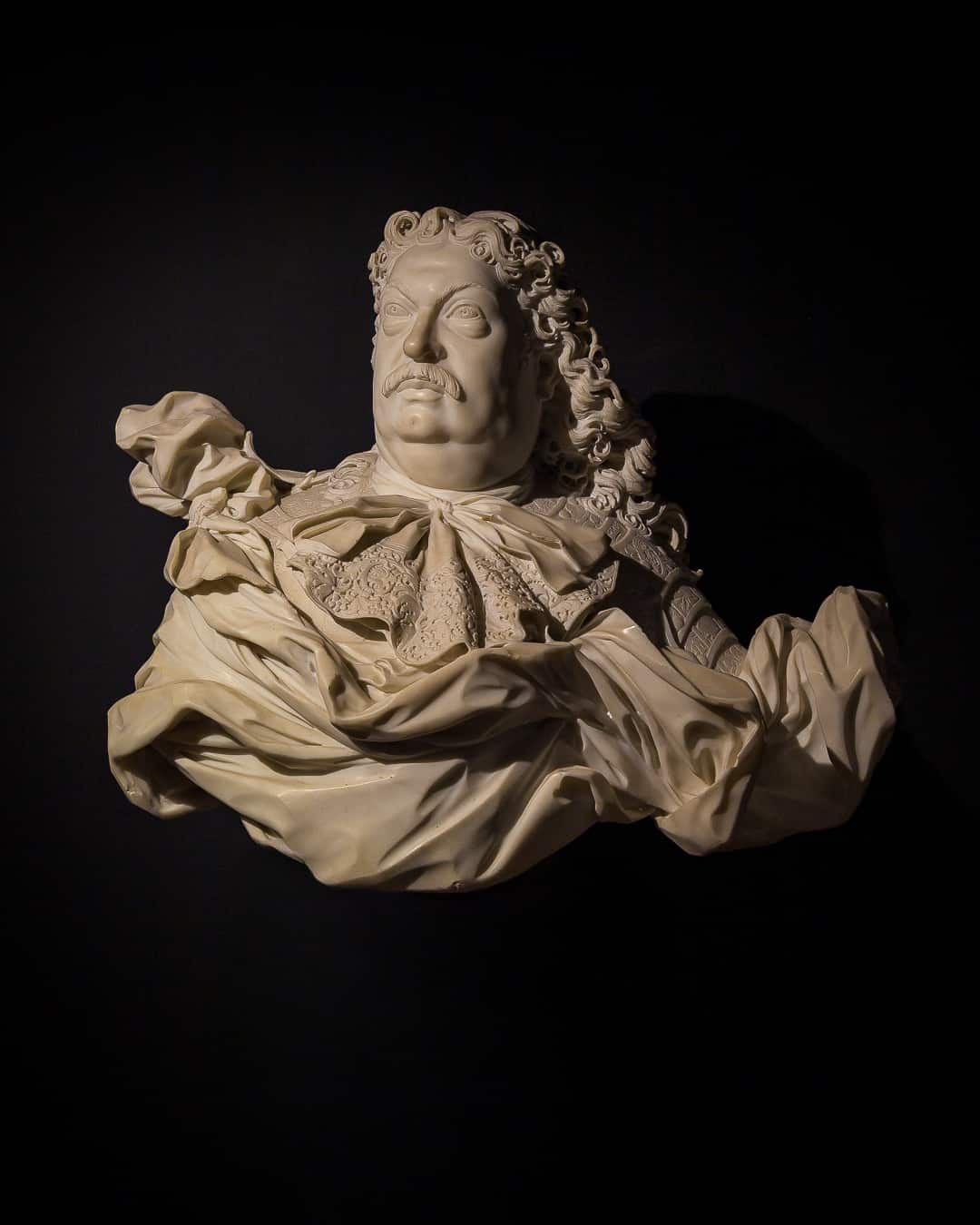
Here you meet the city’s own painters: Correggio, and Parmigianino, born in Parma, with his famous Turkish Slave.
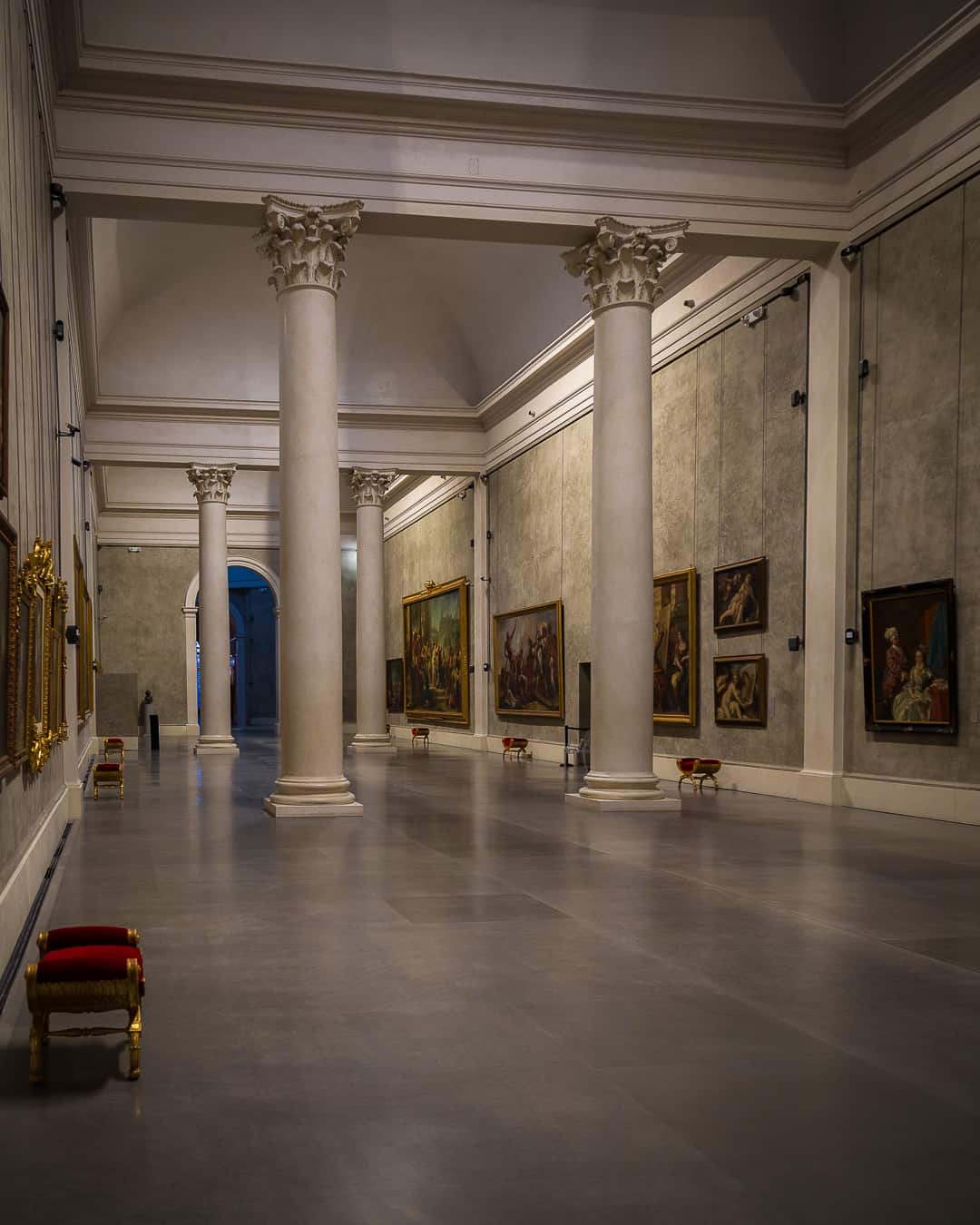
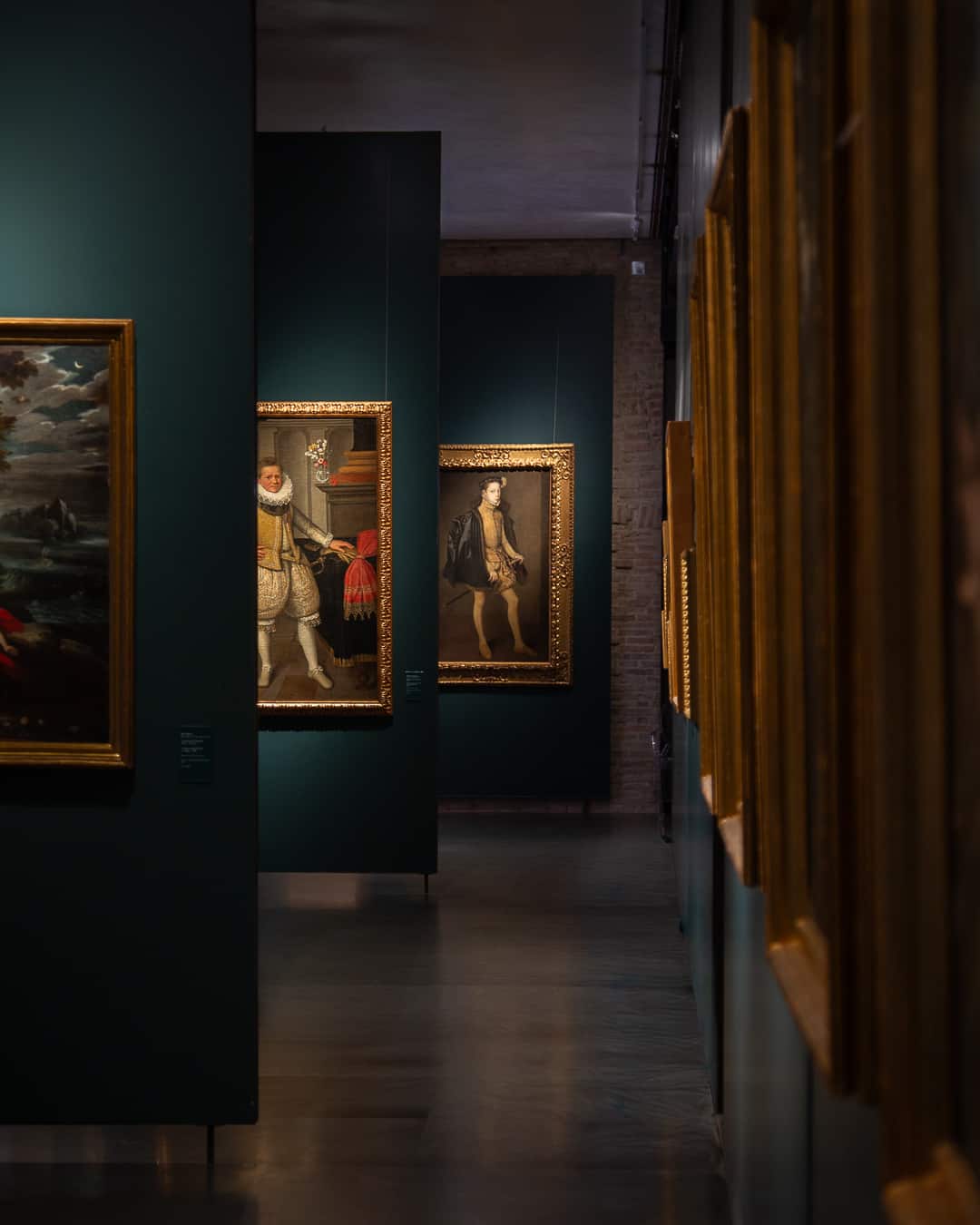
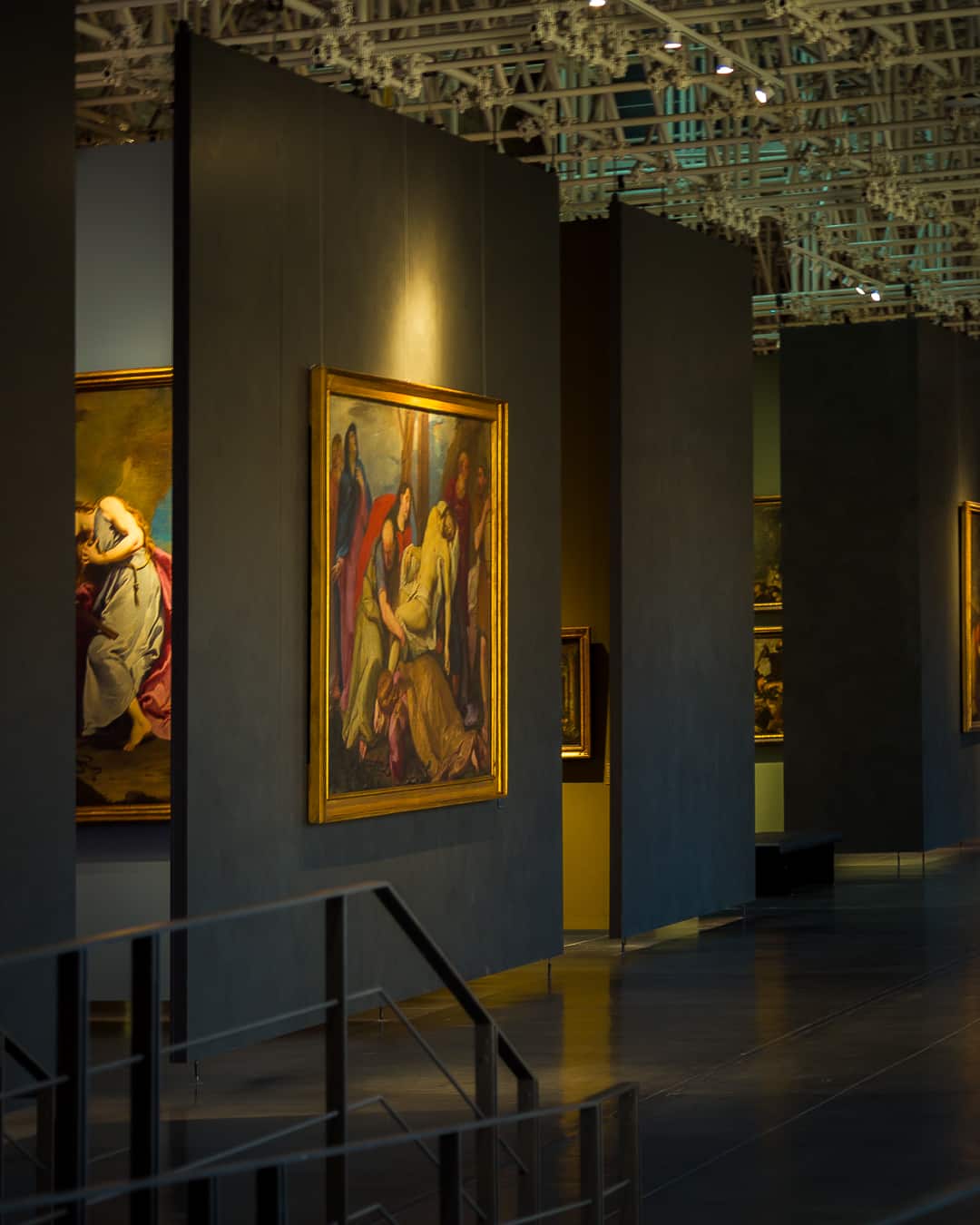
Dark walls, low lights: in the rooms the paintings seem to light up on their own.
The portrait
A woman’s face, a golden headdress, a gaze that meets ours. A sixteenth-century portrait can still stop a passer-by: all it takes is to catch its eye.
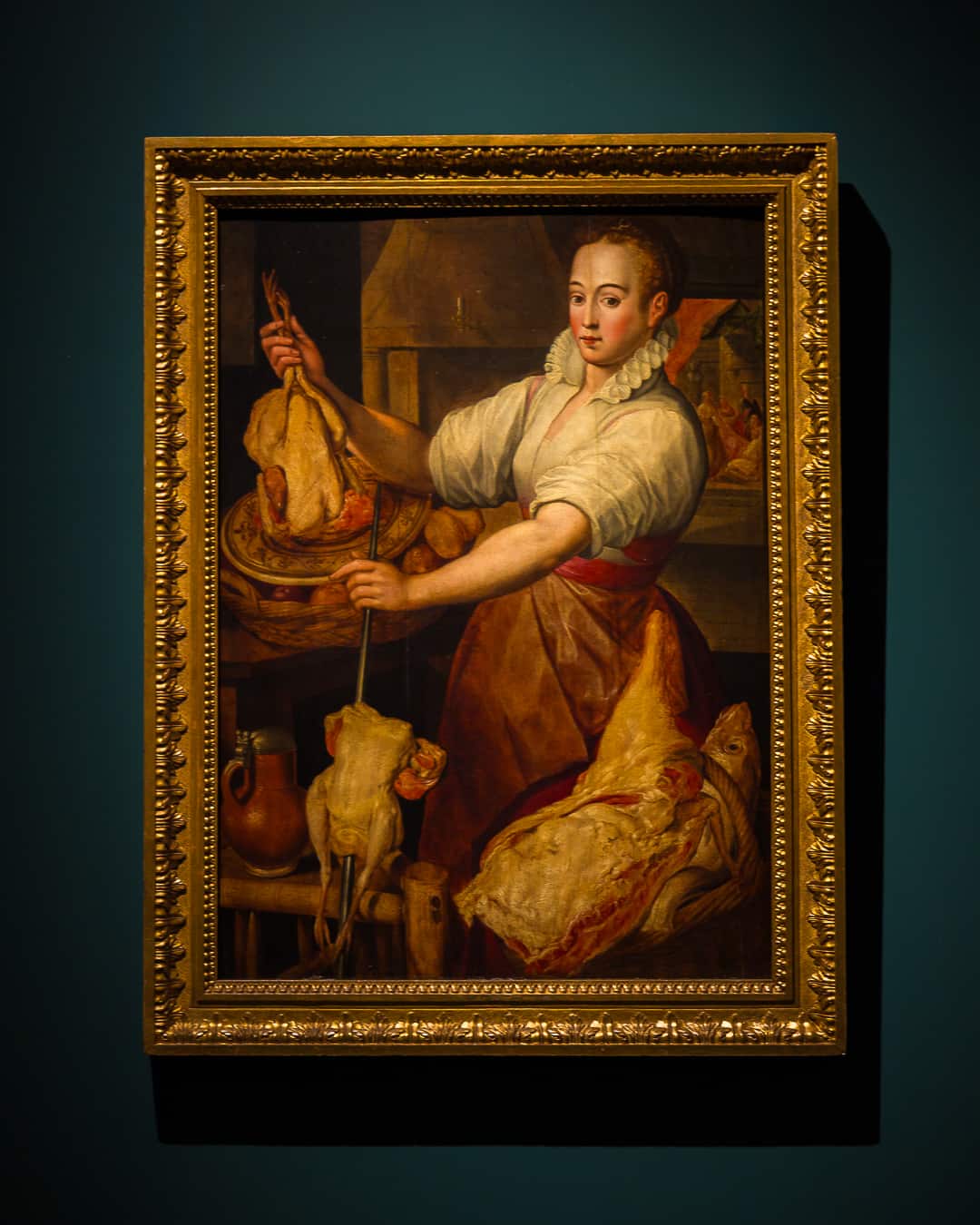
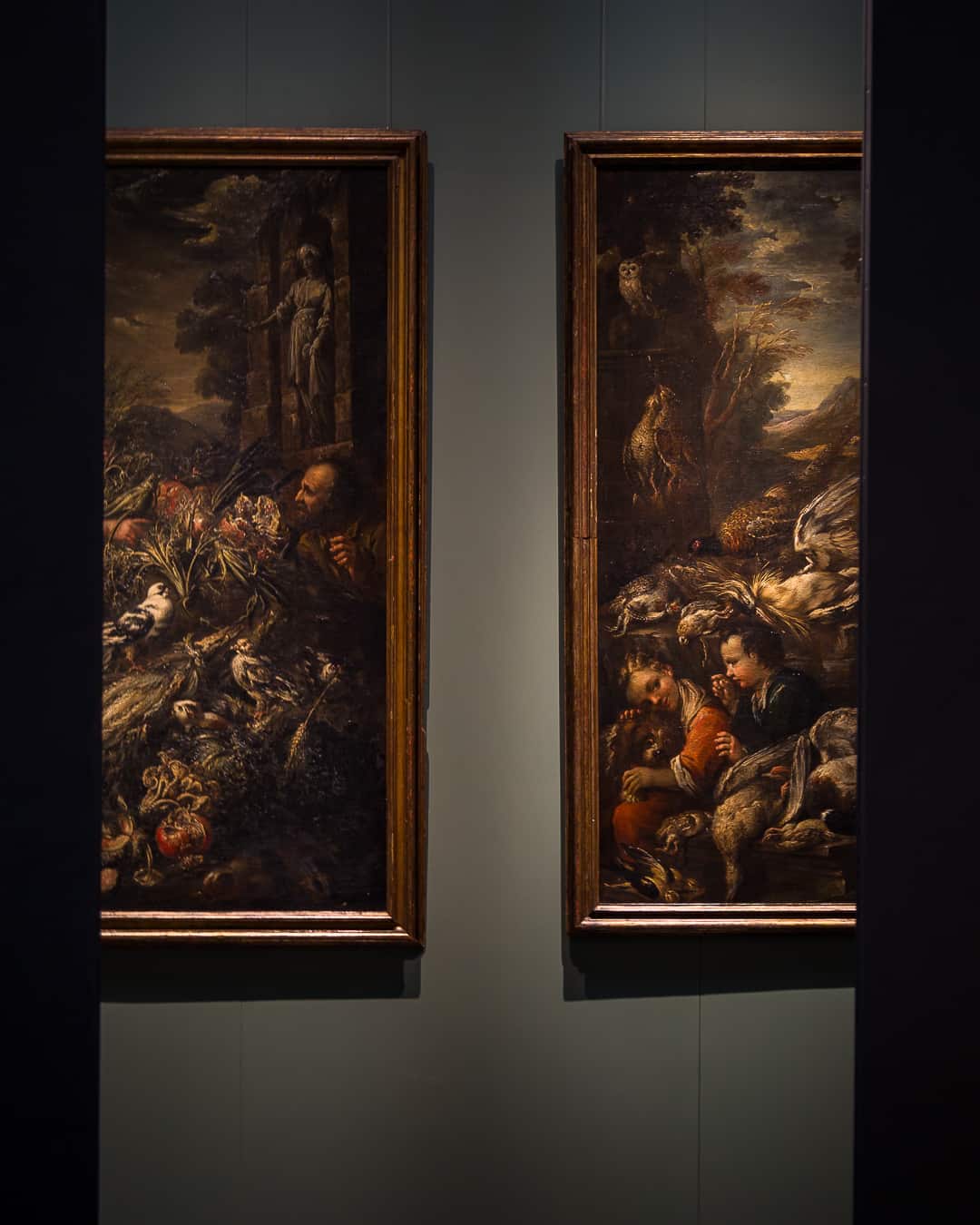
The cook
A woman, a chicken, a laden table. In a city that turned food into an art, it makes you smile: painters looked into the kitchen too.
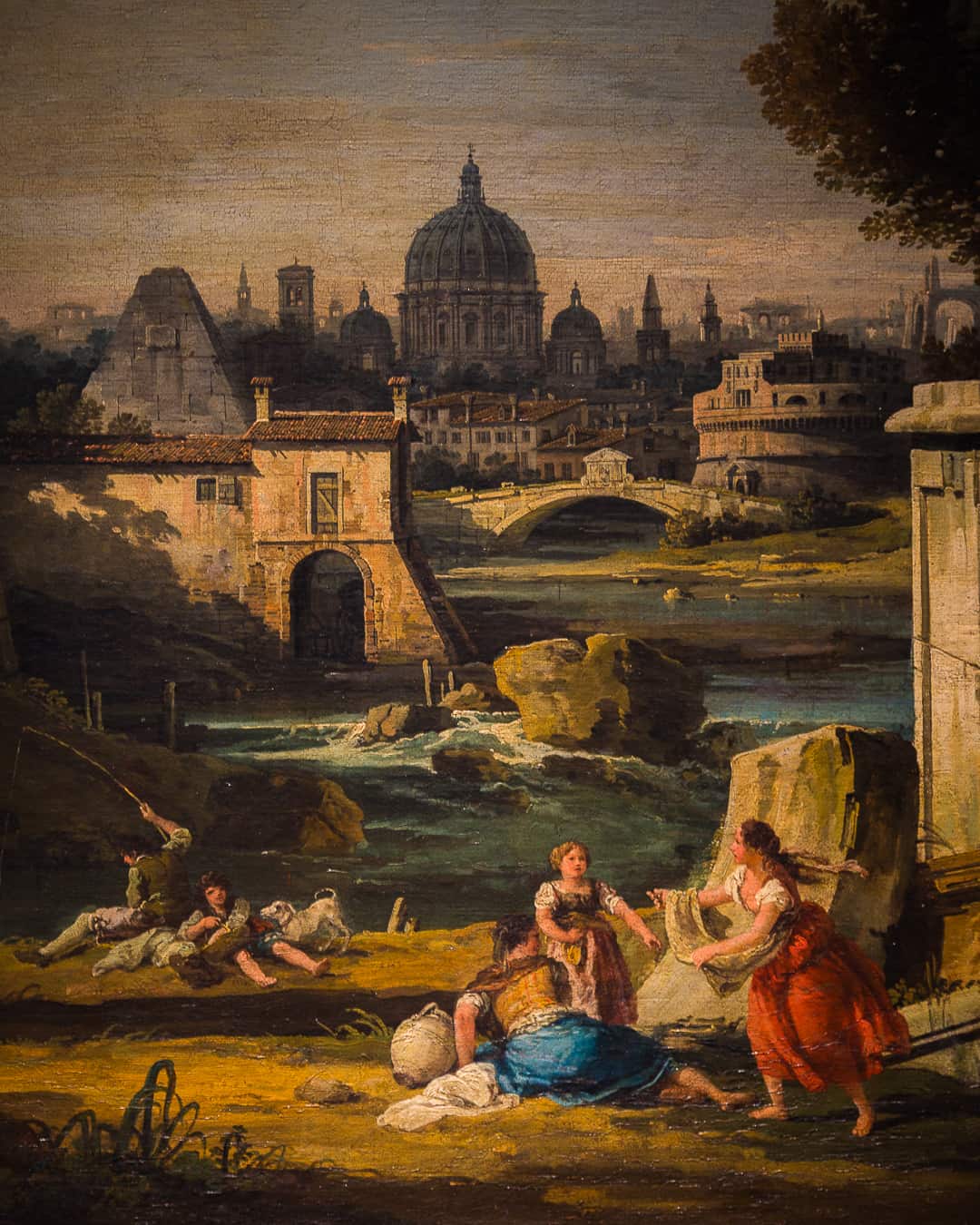
The view
A great dome, a bridge, figures on the riverbank in the foreground. In front of a painted view you travel without moving: you step into the picture and walk along the river.
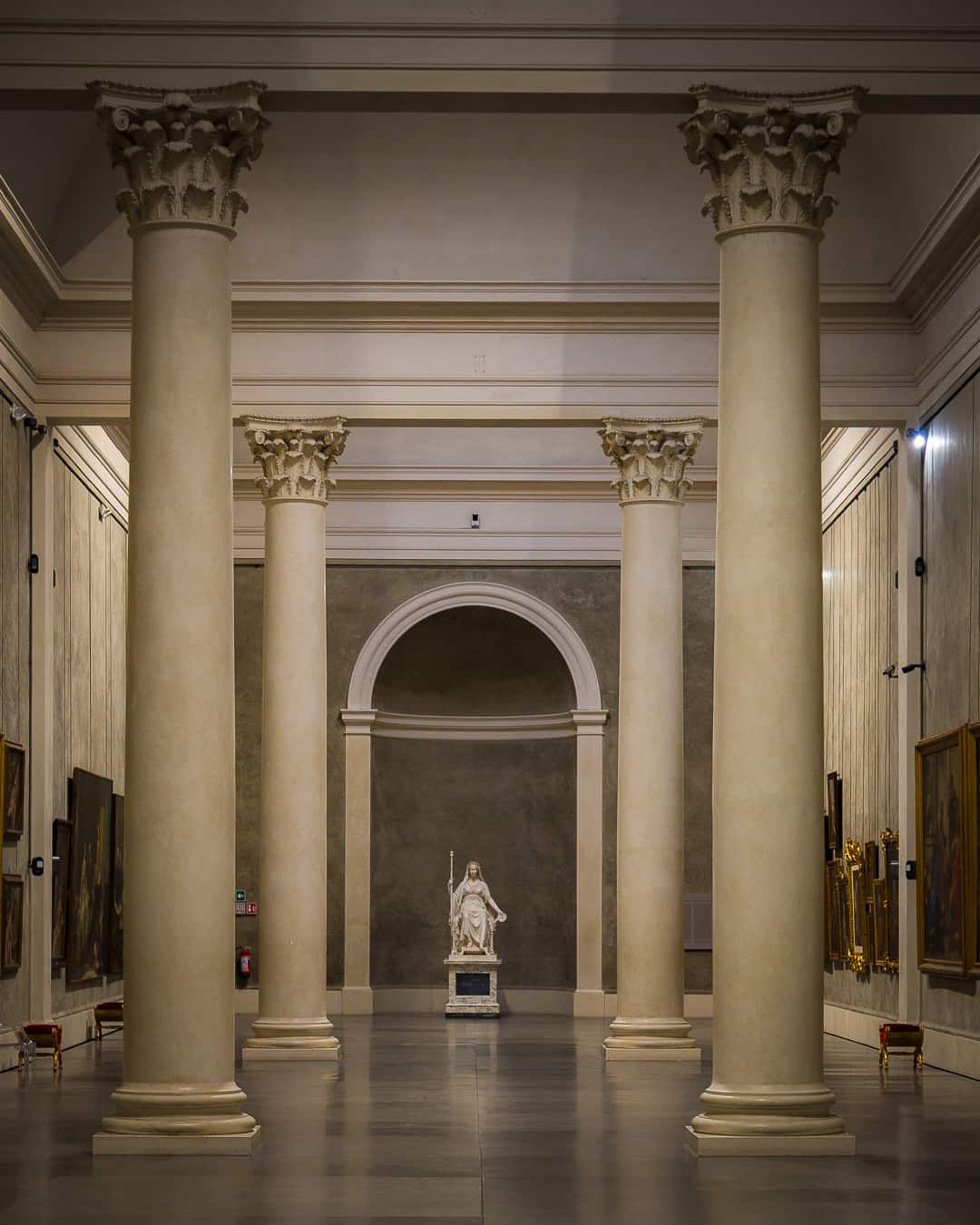
The hall of columns
Columns, an apse, a white statue at the far end: the hall is built like a temple. You cross the museum like a city, from one vista to the next.
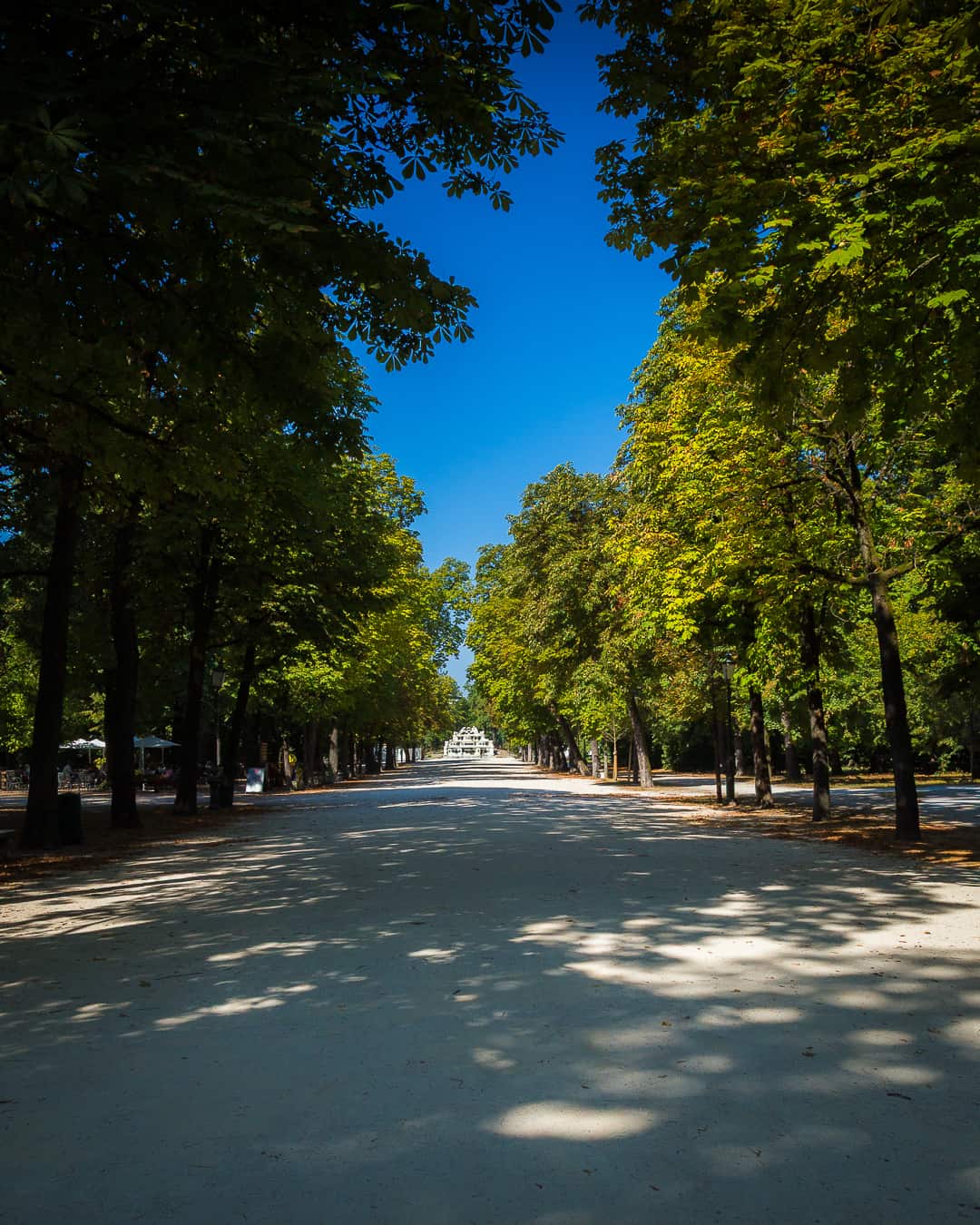
V
Palaces and gardens
Across the river, the Parco Ducale was begun in 1561 for Ottavio Farnese, around the Palazzo del Giardino, probably with the involvement of Vignola.
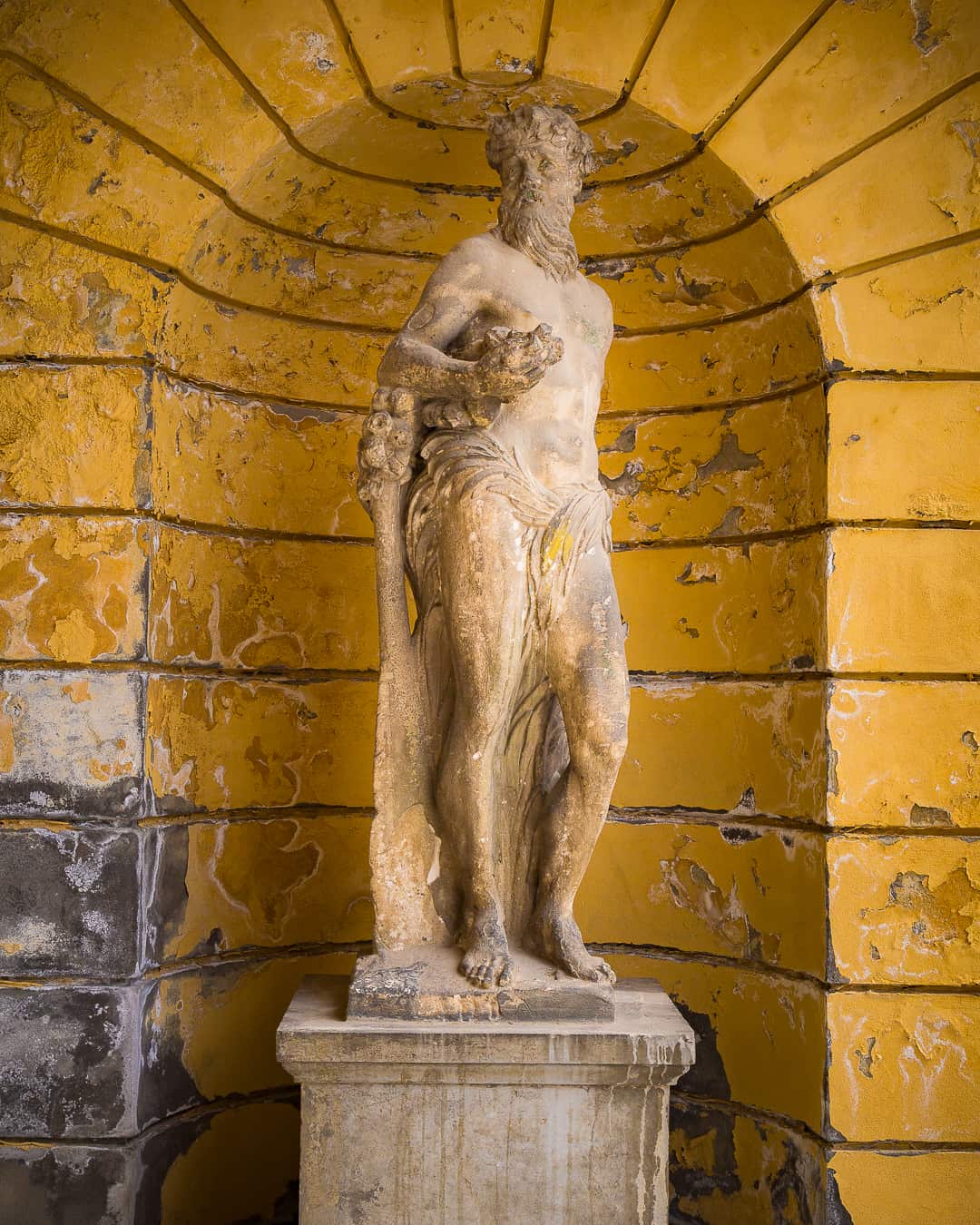
In the eighteenth century, under the Bourbons, the French architect Ennemond Petitot renewed the ducal palace and gardens: straight avenues, statues, urns, fountains.
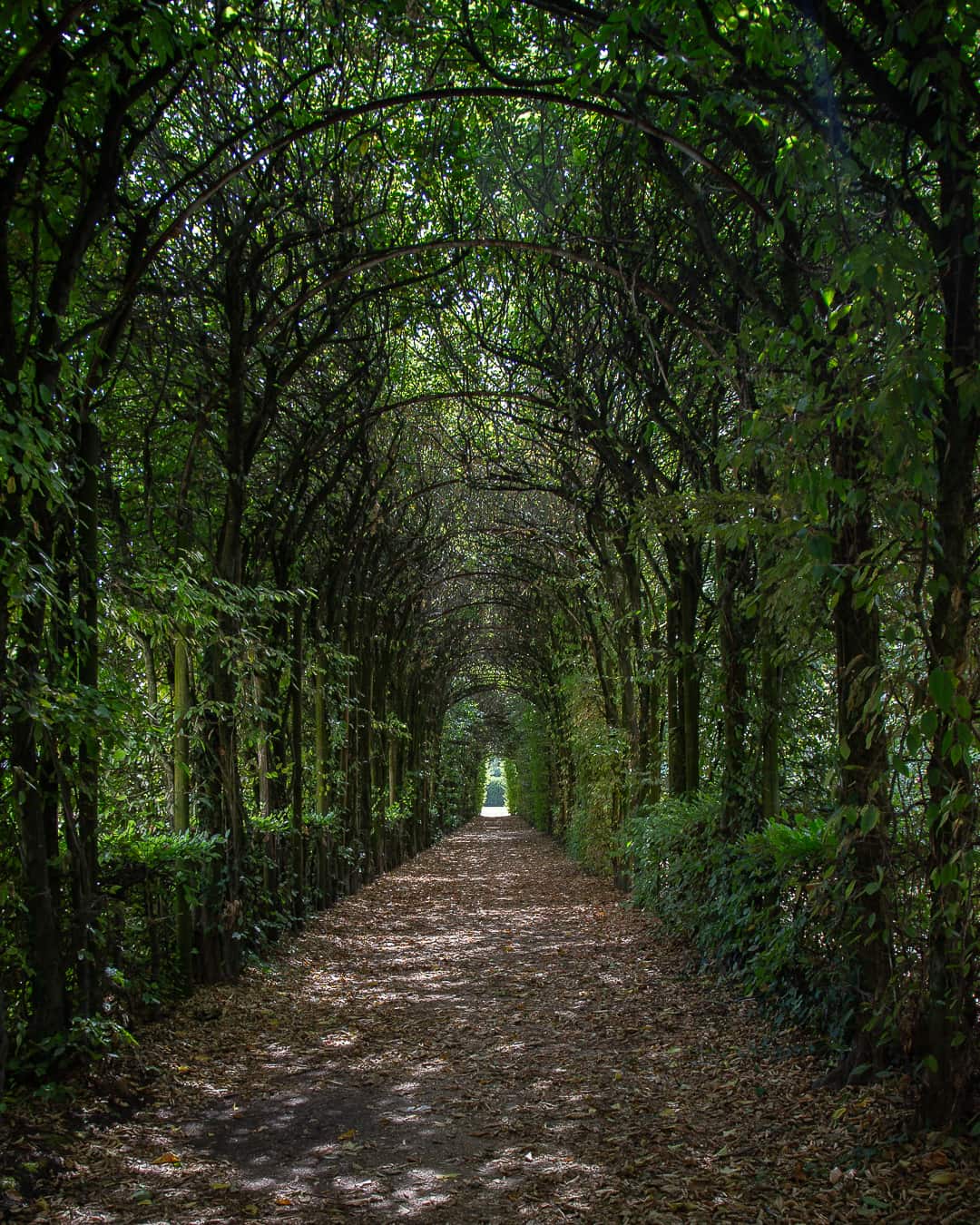
Today the Parco Ducale is a public garden where people come to run, read and walk in the shade.
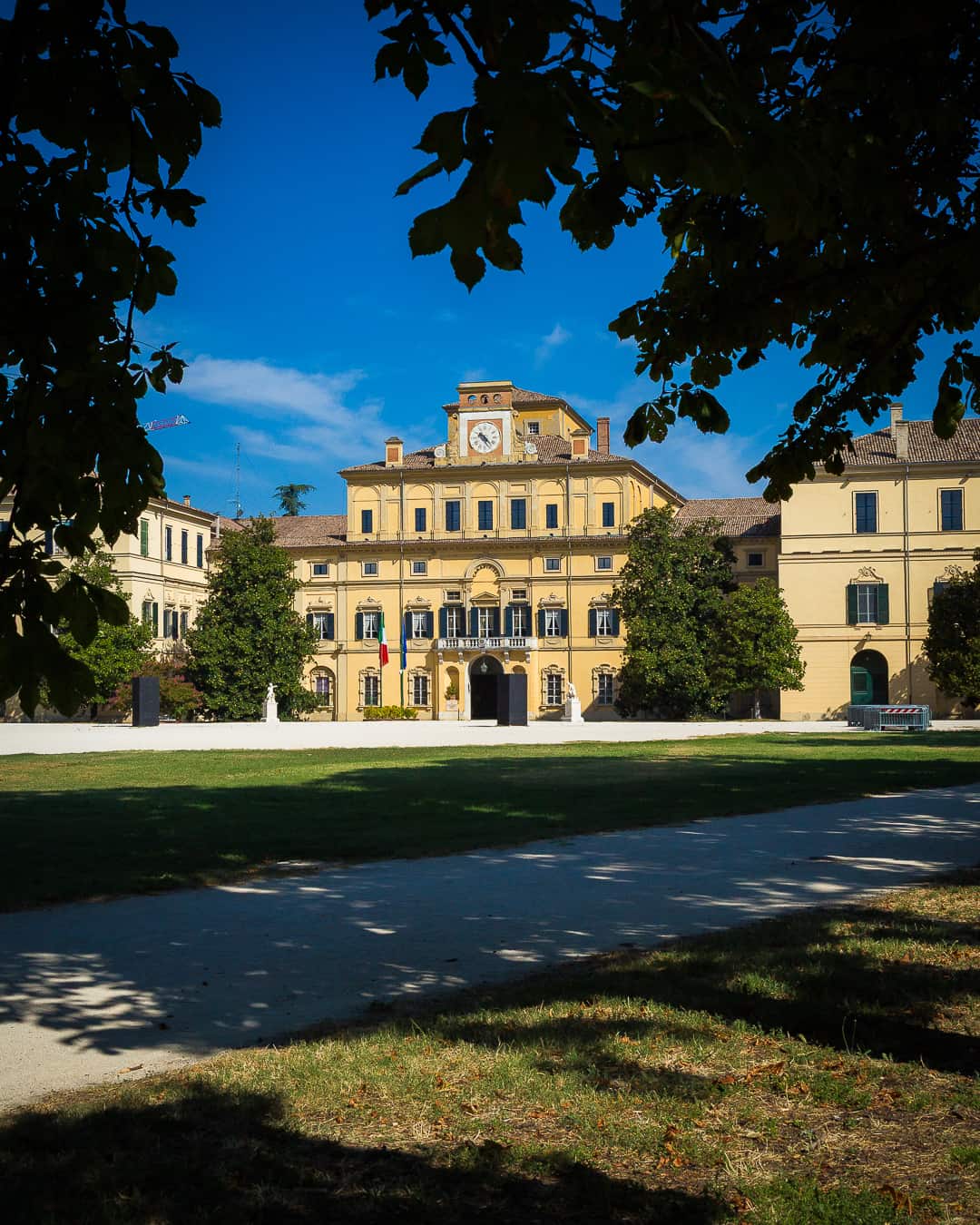
The palace in the park
A yellow façade among the trees, the lawn in front, a gravel drive. The dukes’ palaces were made to be discovered from afar, at the end of an avenue.
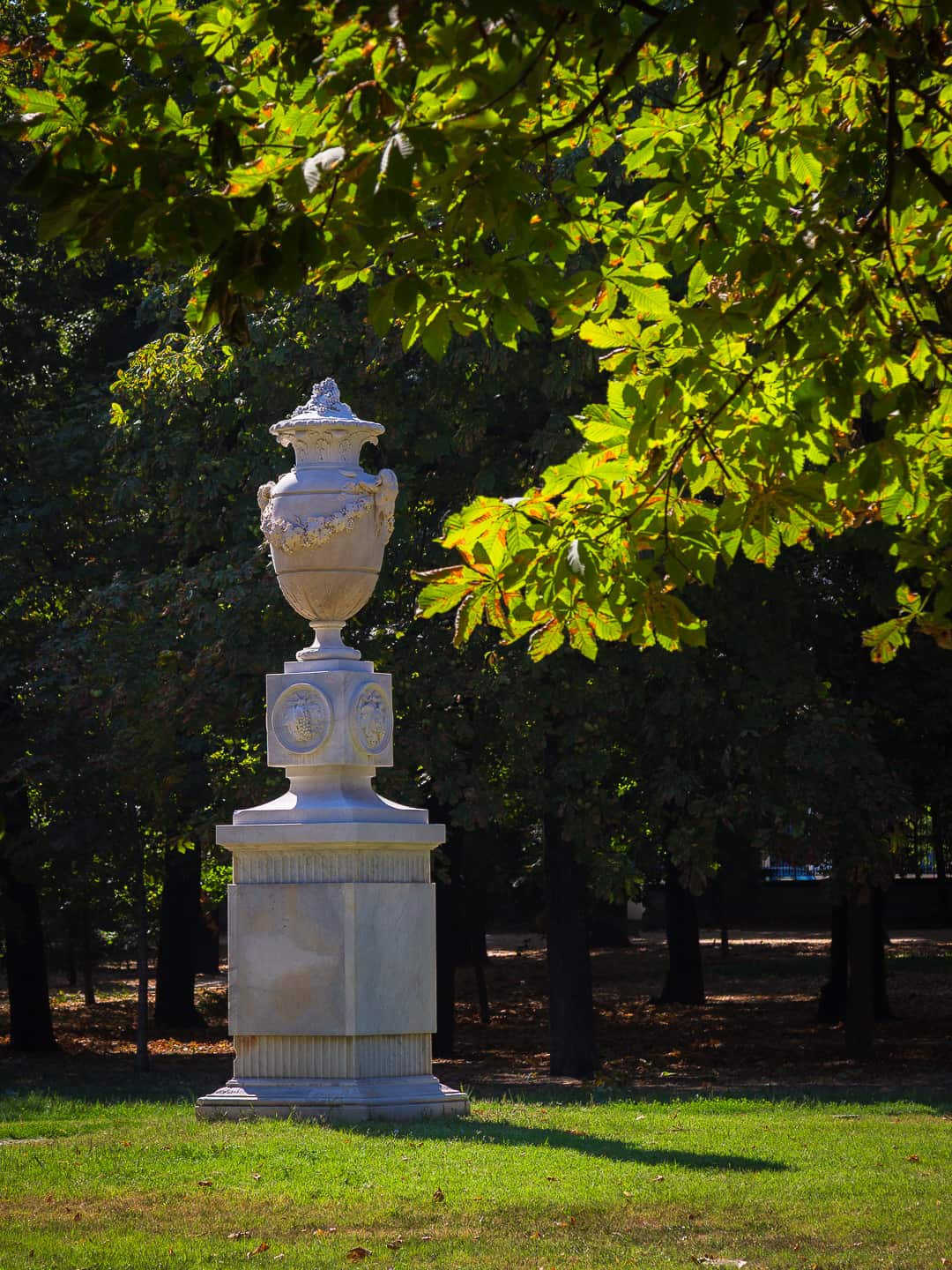
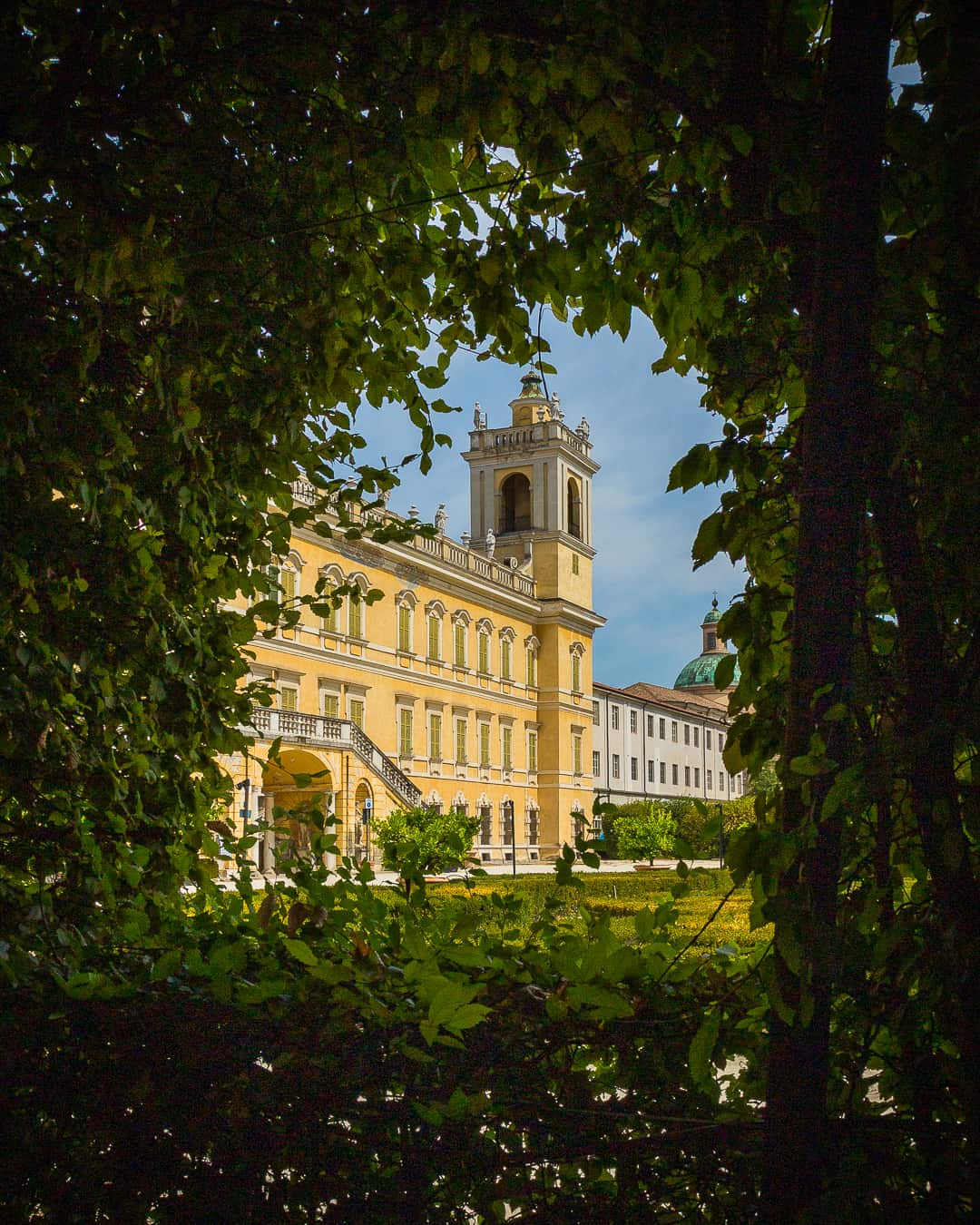
The fountains
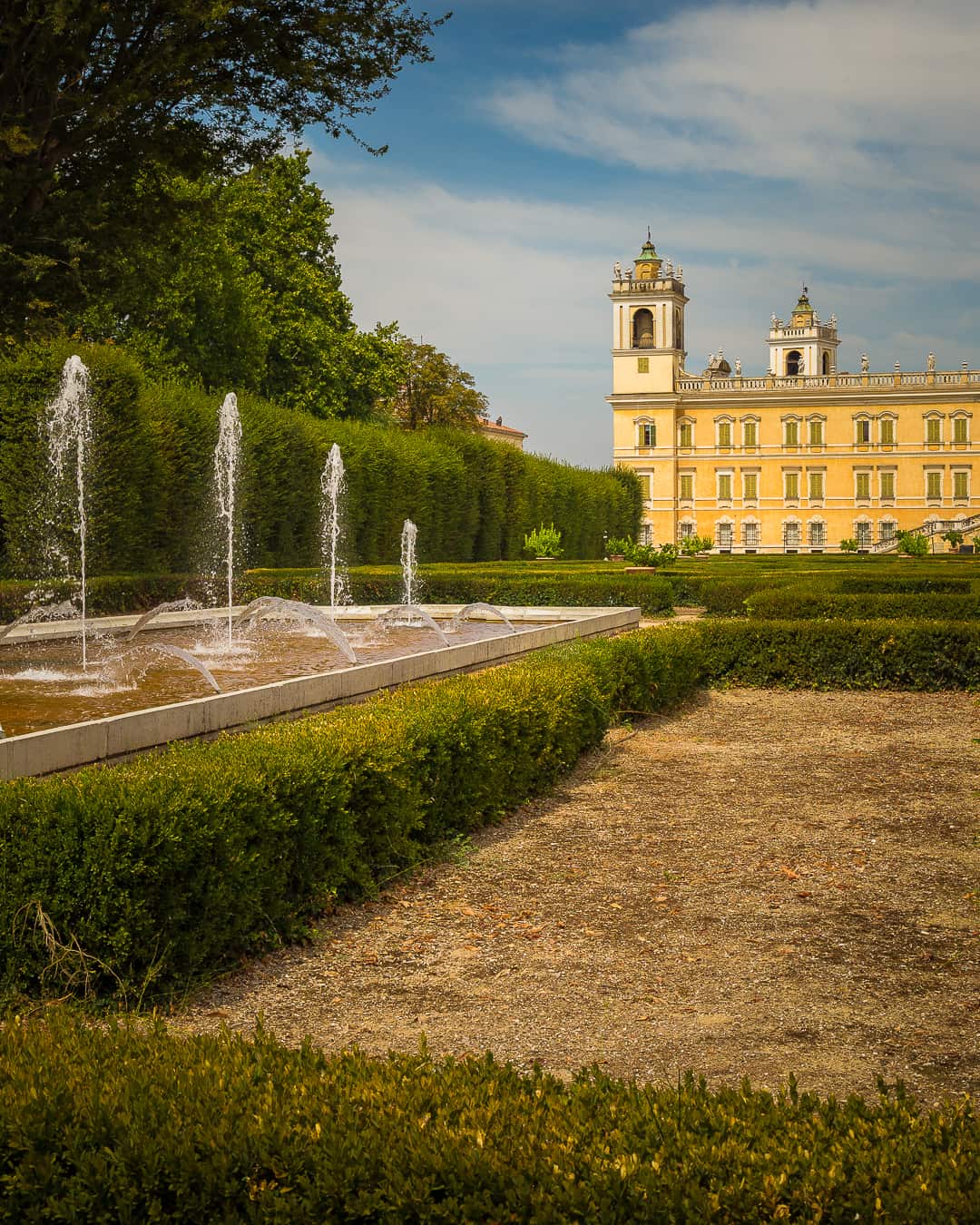
Jets of water, hedges clipped to the inch, a palace with towers at the end. A French-style garden is an open-air theatre: every avenue leads the eye to the façade.
The double staircase
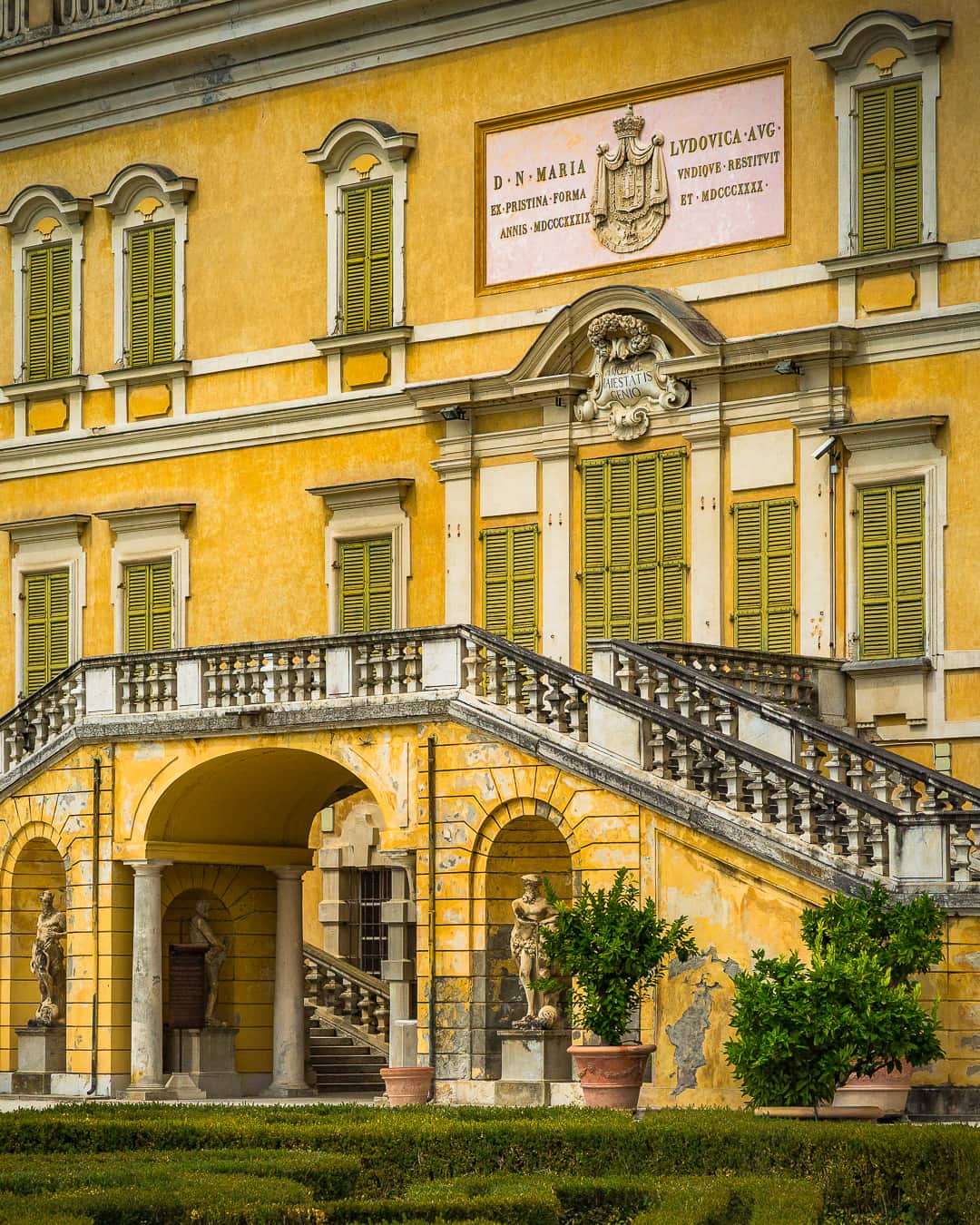
A double staircase, statues, potted lemon trees, and a plaque high up. The façades of the ducal palaces tell you who commissioned them: names and titles carved in stone.
VI
Towards the Apennines
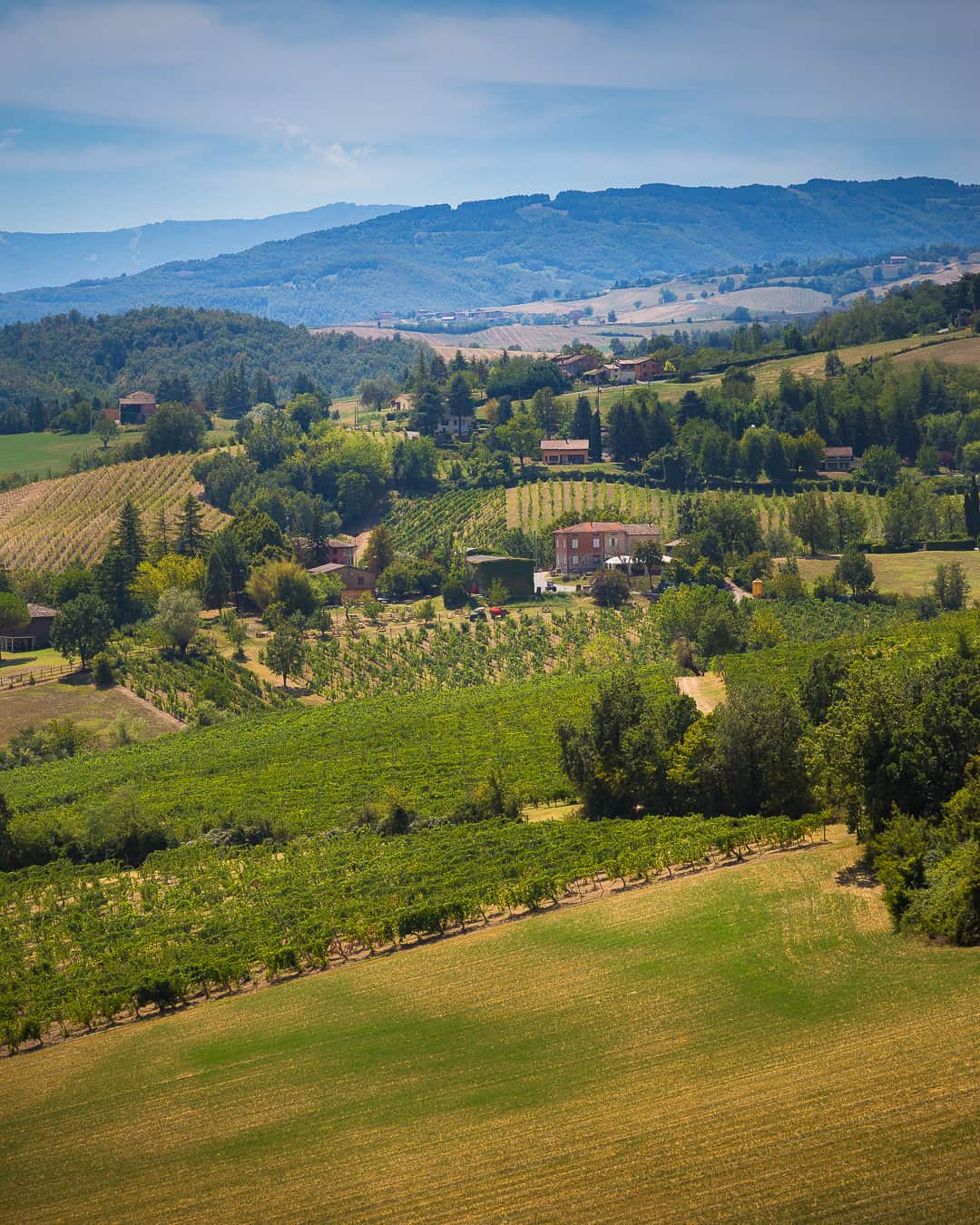
South of the city the plain rises into hills of vines and fields, then into mountains.
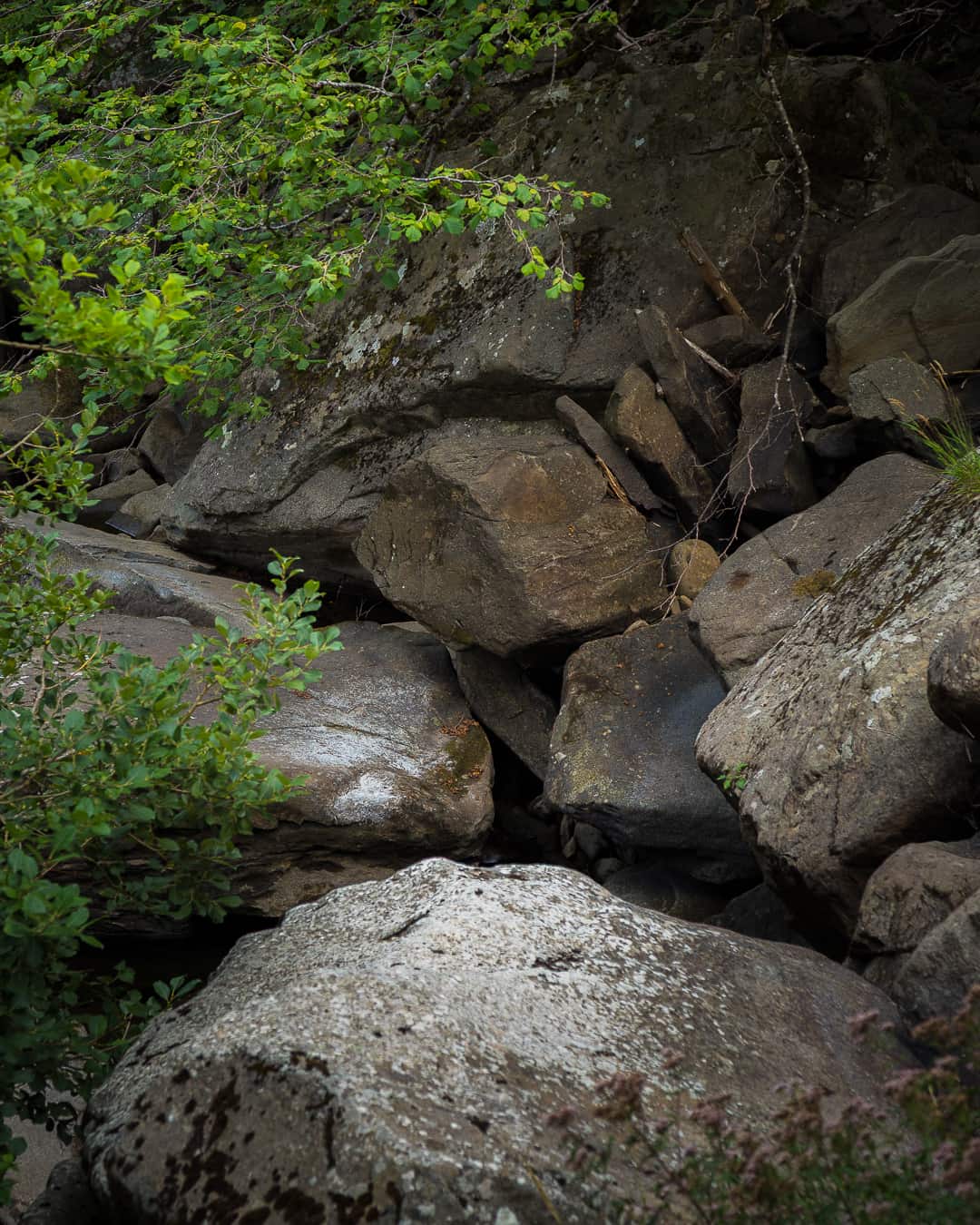
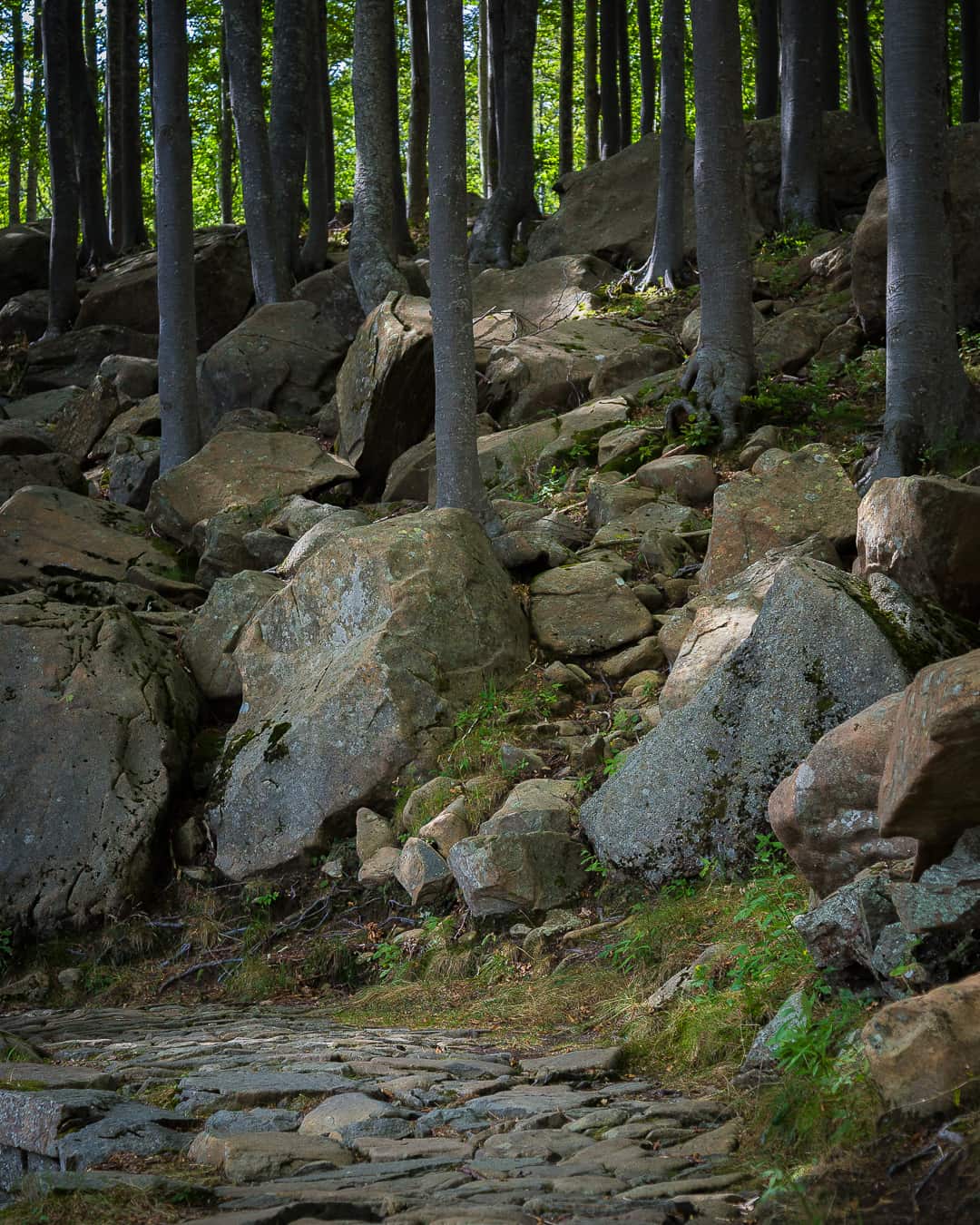
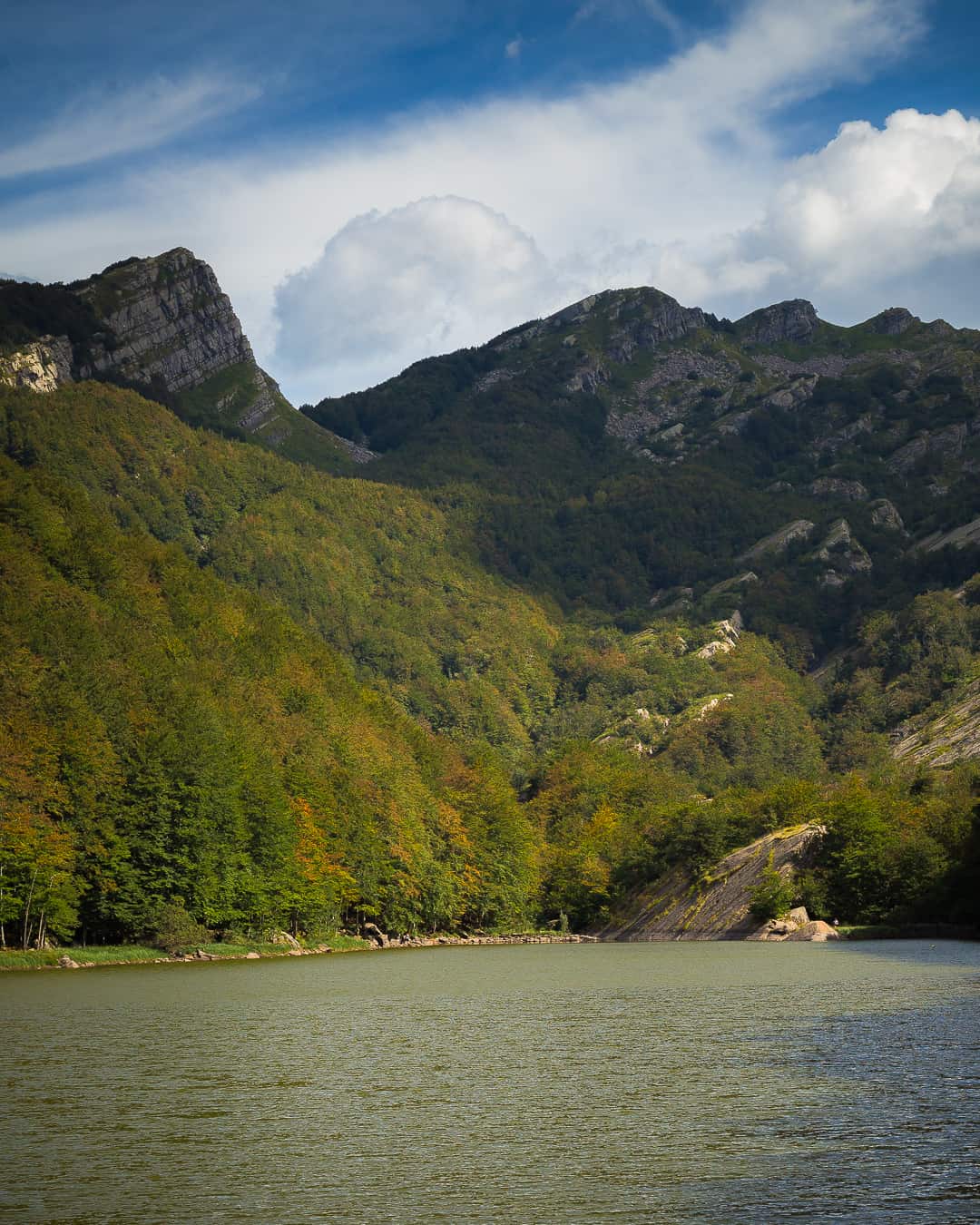
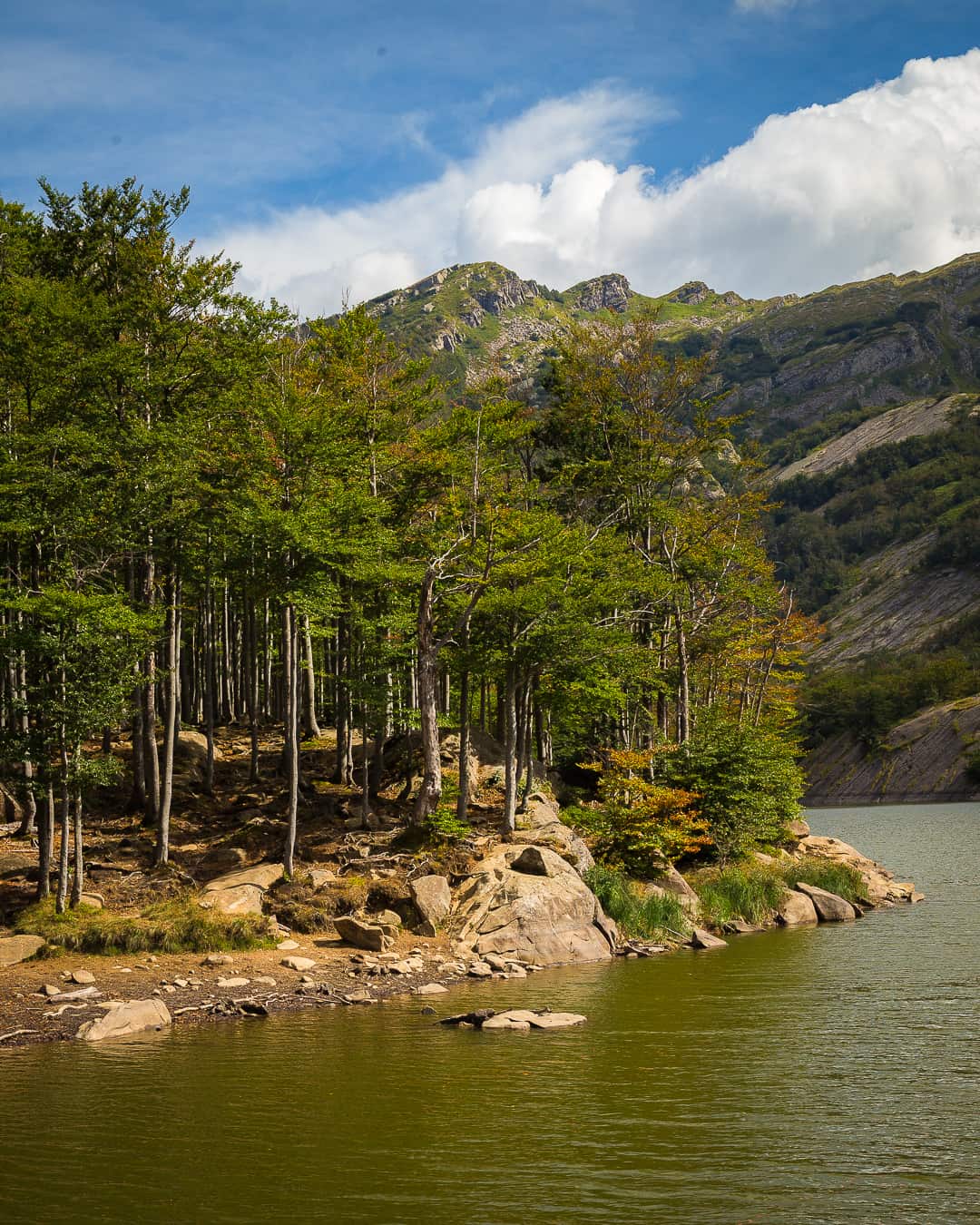
Higher up there are dense woods, streams among boulders, lakes at the foot of the peaks: the Parma Apennines are another world, and they begin a short drive from the city.
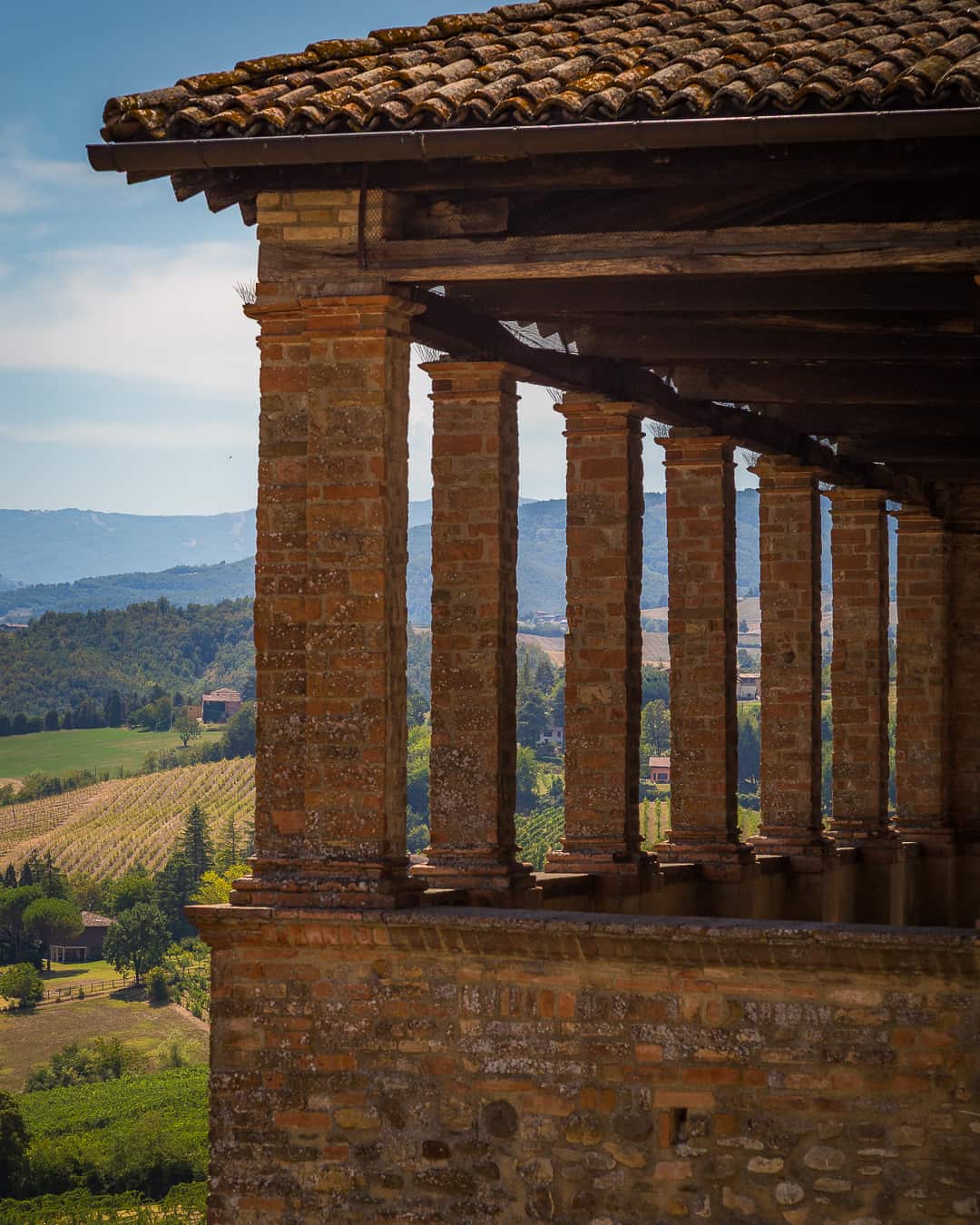
The loggia
Brick columns, a tiled roof, and the farmed hills beyond. From the loggias and towers of the Parma hills, the eye runs over the whole valley.
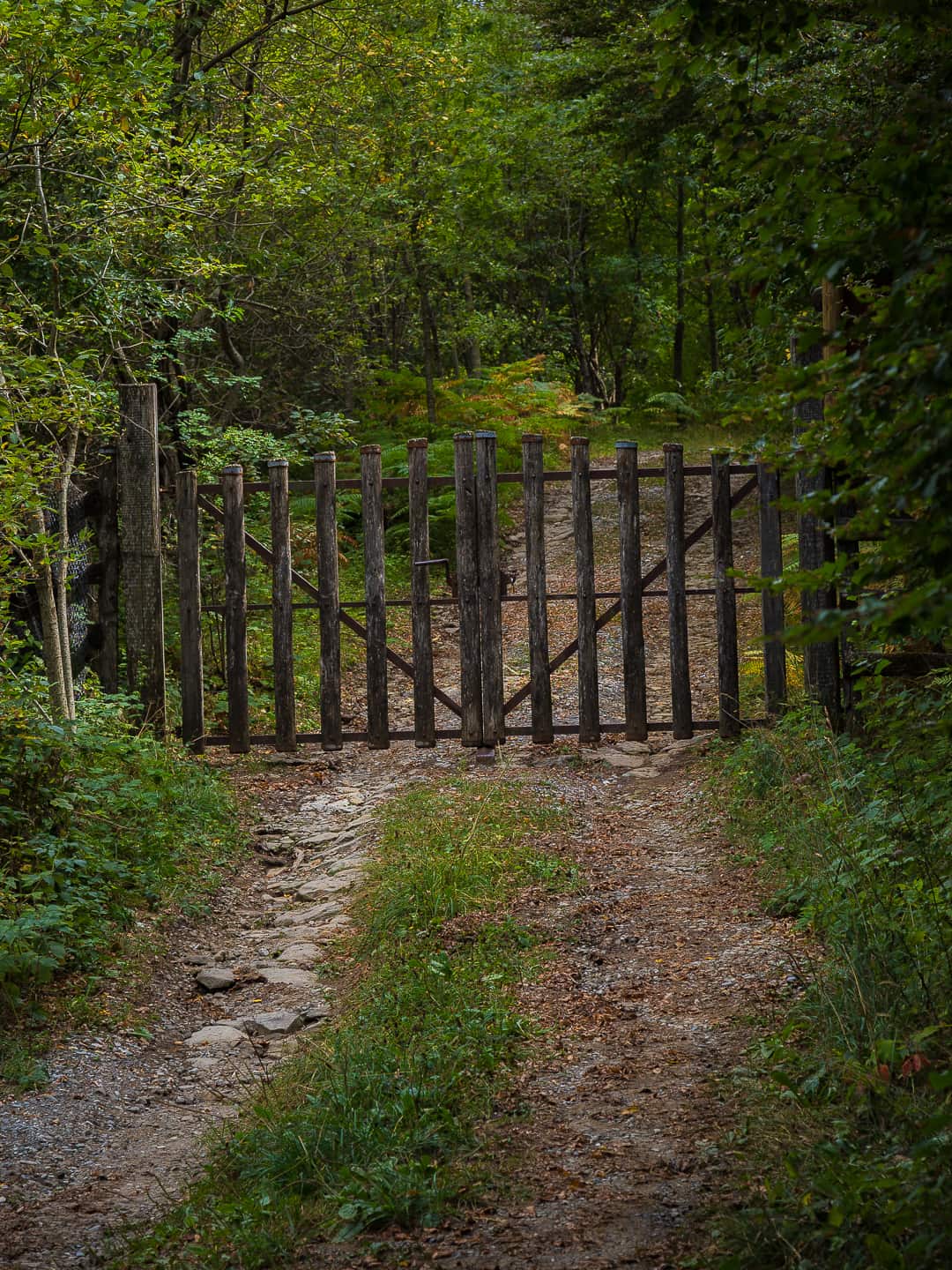
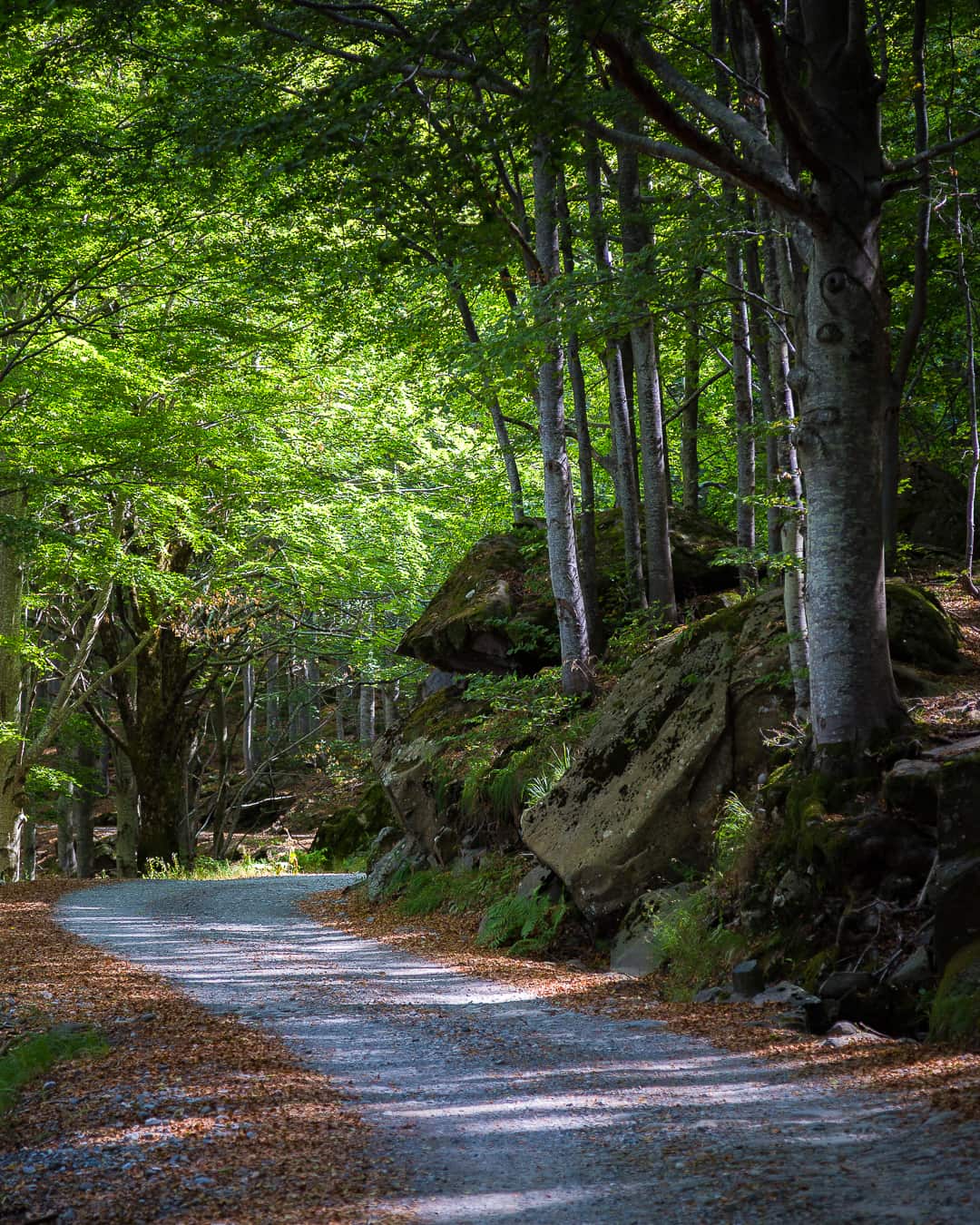
Water among the rocks
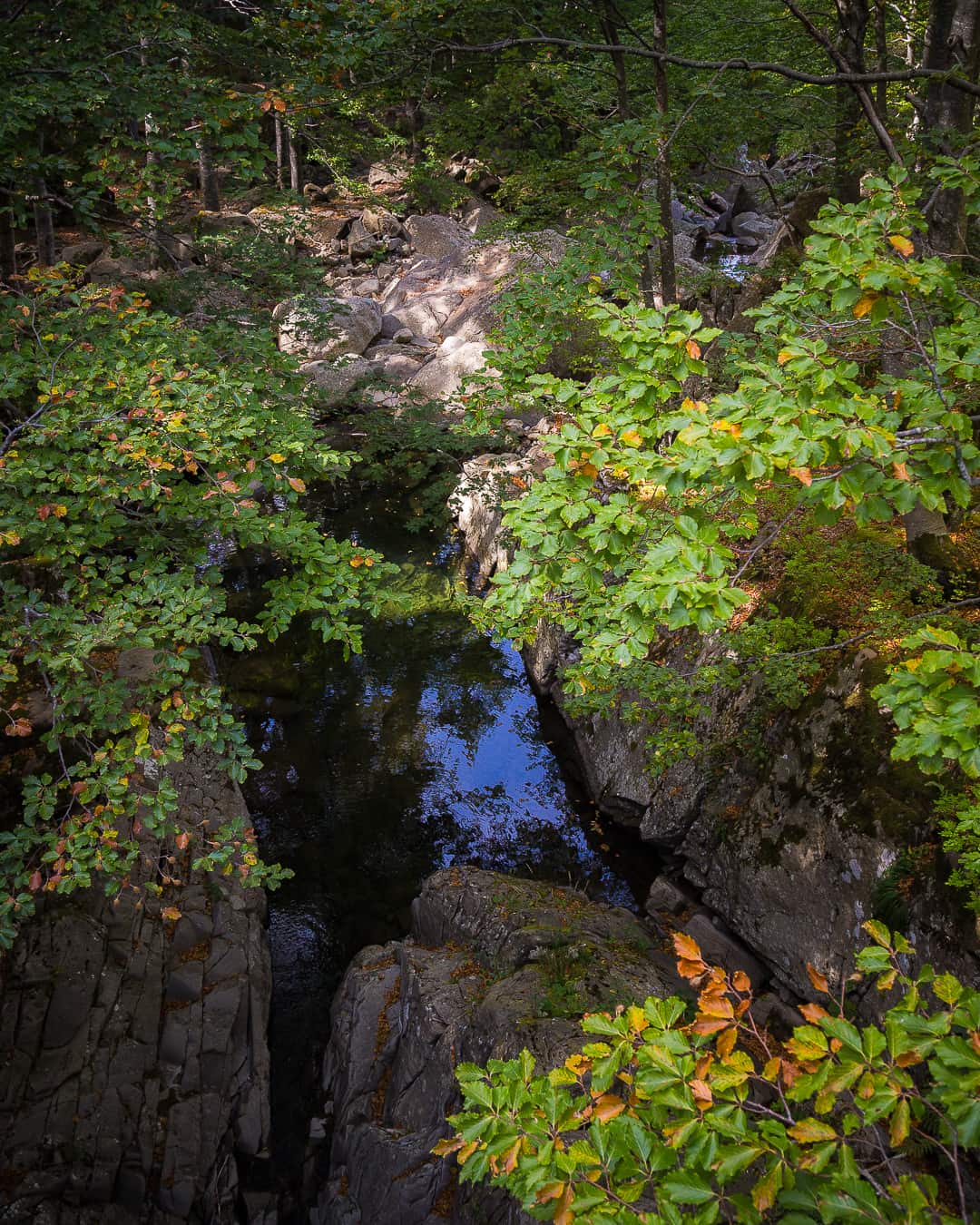
Dark water among rocks, leaves just starting to turn. In the mountains, streams cut narrow passages hidden by the woods.
Getting there
- Where
- Parma, in Emilia-Romagna, between the Po and the Apennines.
- The Pilotta
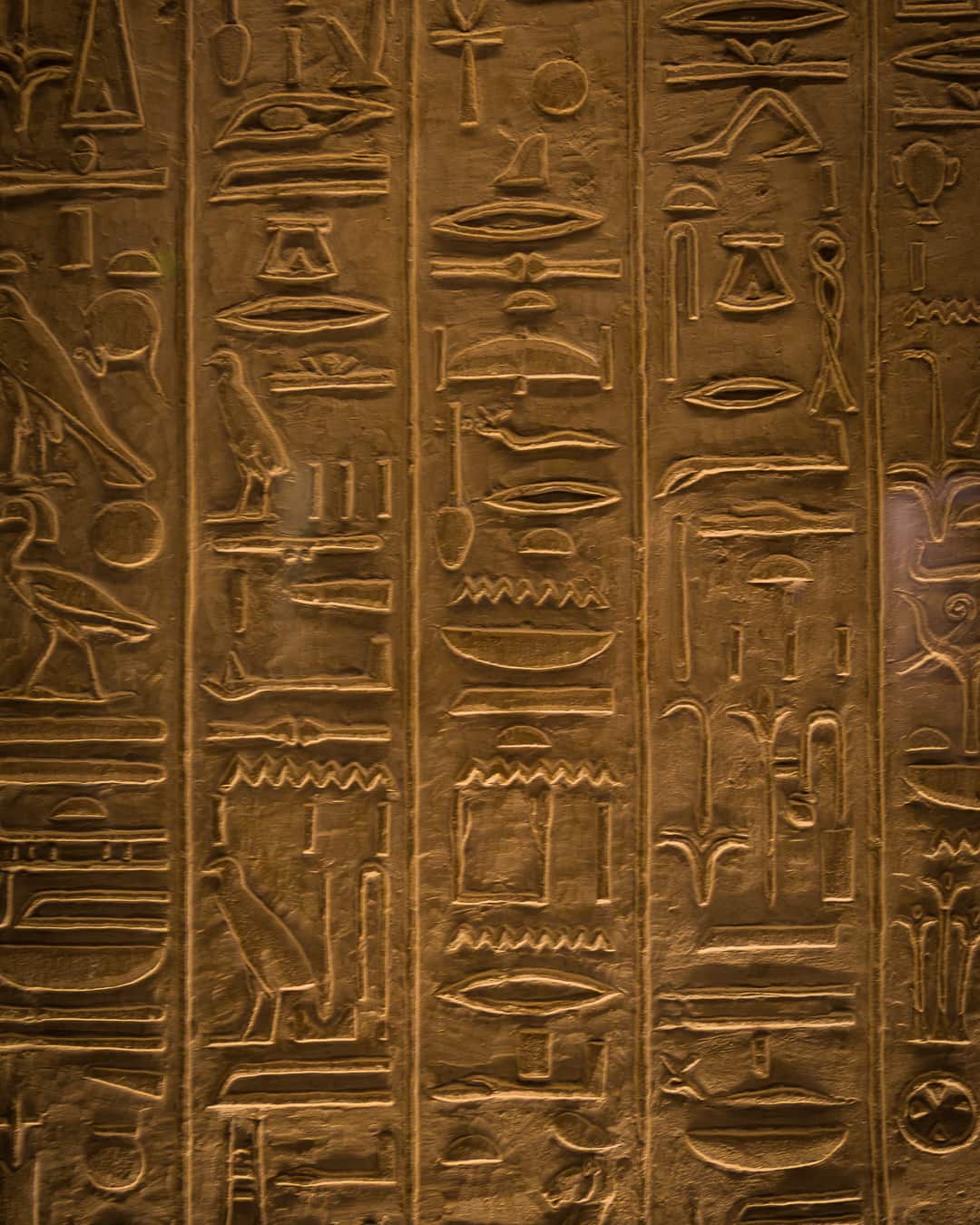
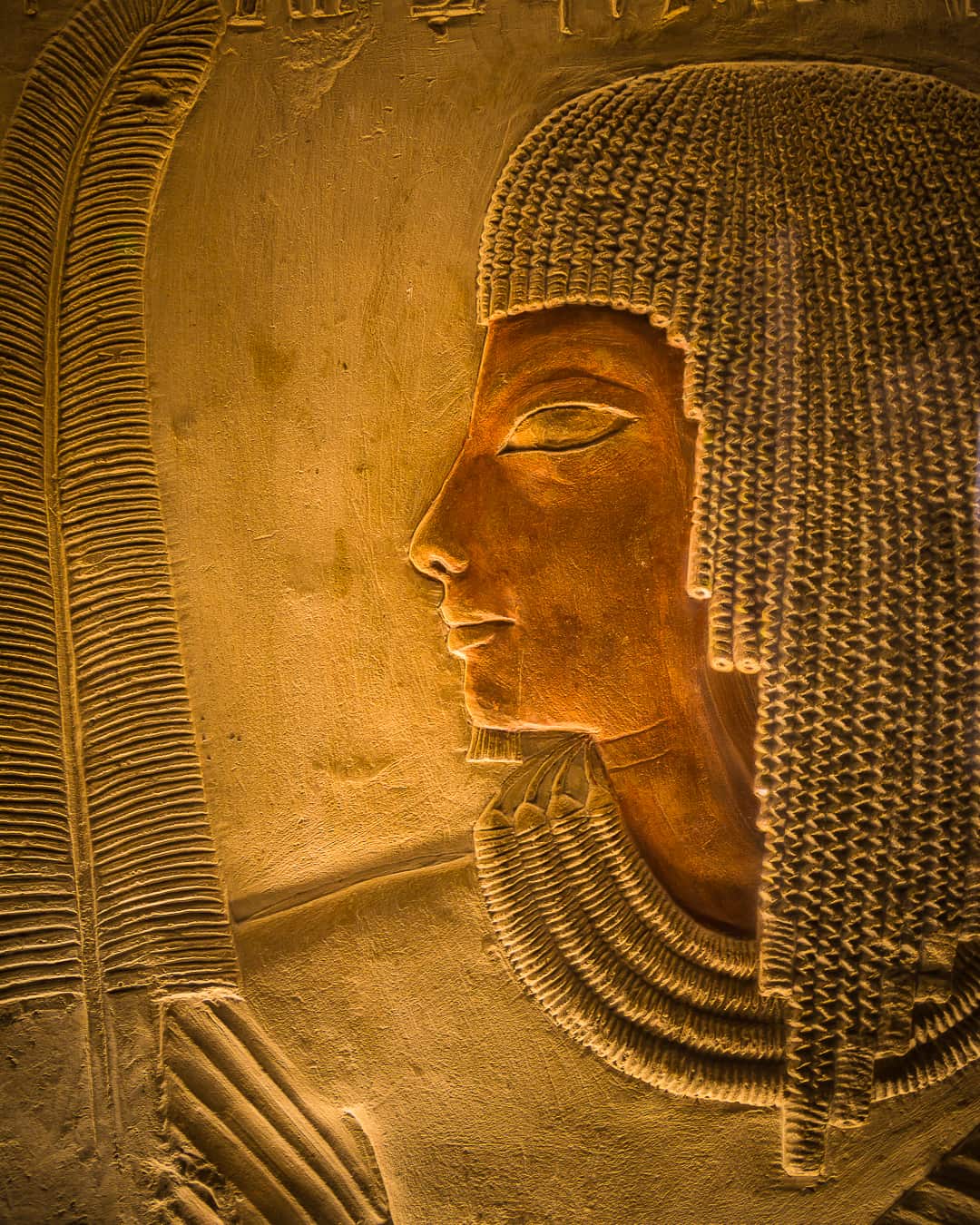
- One ticket covers the Teatro Farnese, the Galleria Nazionale, the Archaeological Museum (with an Egyptian section), the Biblioteca Palatina and the Bodoni Museum. Times and prices change, so check them on the complex’s website.
- Piazza Duomo
- The cathedral, with Correggio’s dome, and Antelami’s baptistery.
- The Parco Ducale
- Across the Ponte Verdi, a few minutes’ walk from the Pilotta.
- Our advice
- Early morning in the streets of the centre, when the light is low; afternoon at the Pilotta; evening along the river.
Information checked on 21 November 2026.
Sources
- Cattedrale di Parma — Italia.it
- Parma Cathedral — Wikipedia
- La cupola del Correggio — Google Arts & Culture, Fabbriceria della Cattedrale
- The Baptistery — Piazza Duomo Parma
- Battistero di Parma — Musei Online
- Complesso monumentale della Pilotta — Ministero della Cultura
- Teatro Farnese — Ministero della Cultura
- Teatro Farnese — Musei Online
- Galleria Nazionale di Parma — Ministero della Cultura
- Galleria Nazionale di Parma — Catalogo del patrimonio, Regione Emilia-Romagna
- Museo Archeologico Nazionale di Parma — Ministero della Cultura
- Biblioteca Palatina — Ministero della Cultura
- Complesso monumentale della Pilotta — Artsupp
- Parco Ducale — Catalogo del patrimonio, Regione Emilia-Romagna
- Palazzo Ducale di Parma — Musei Online
- Ducal Parma: the Parco Ducale, the Pilotta and more — World City Trail
Note
Photographs by William, also published on Instagram as @guglielmo.foto.
Texts and layout: WIDE Edizioni, Rho. Historical and practical information is checked against the sources on the previous page.
© 2026 WIDE Edizioni
A book for your place
We photograph villas, museums, villages and landscapes in natural light, and turn them into images ready for your website, print and social media. Or into pages to leaf through, like these.