WIDE Edizioni
Villa Arconati
Castellazzo di Bollate
Photographs by William
A palace in the country
A dozen kilometres from the centre of Milan, at Castellazzo di Bollate, a Baroque villa stands among the fields. People call it Milan’s little Versailles.
In 1610 Count Galeazzo Arconati bought the Castellazzo and began turning a rural estate into a pleasure villa; in the eighteenth century the villa reached its greatest splendour. Since 2015 the Fondazione Augusto Rancilio has opened it to the public.
These pages do not go into the rooms: they walk around them, like an evening stroll. The avenue, the waters, the fields.
I
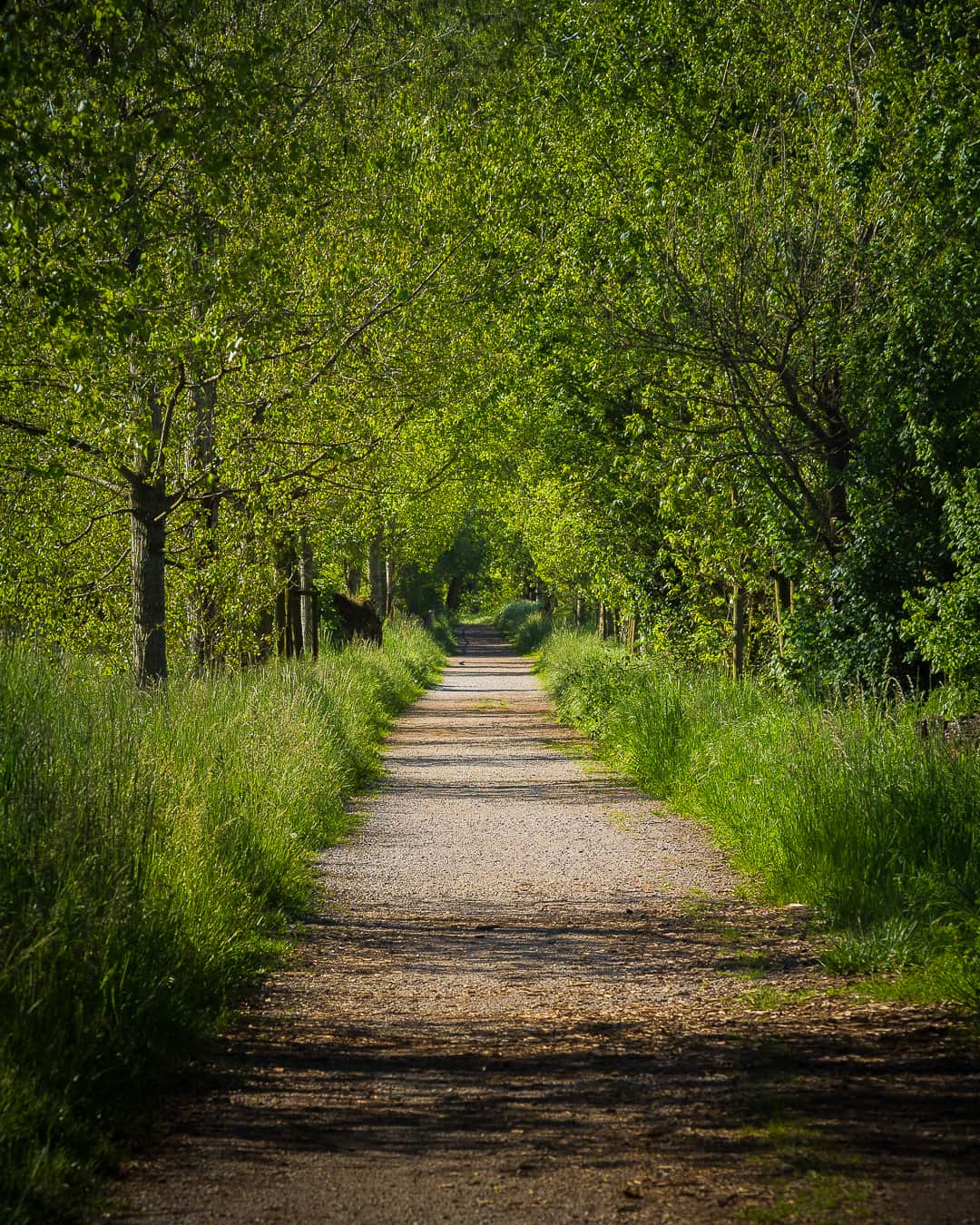
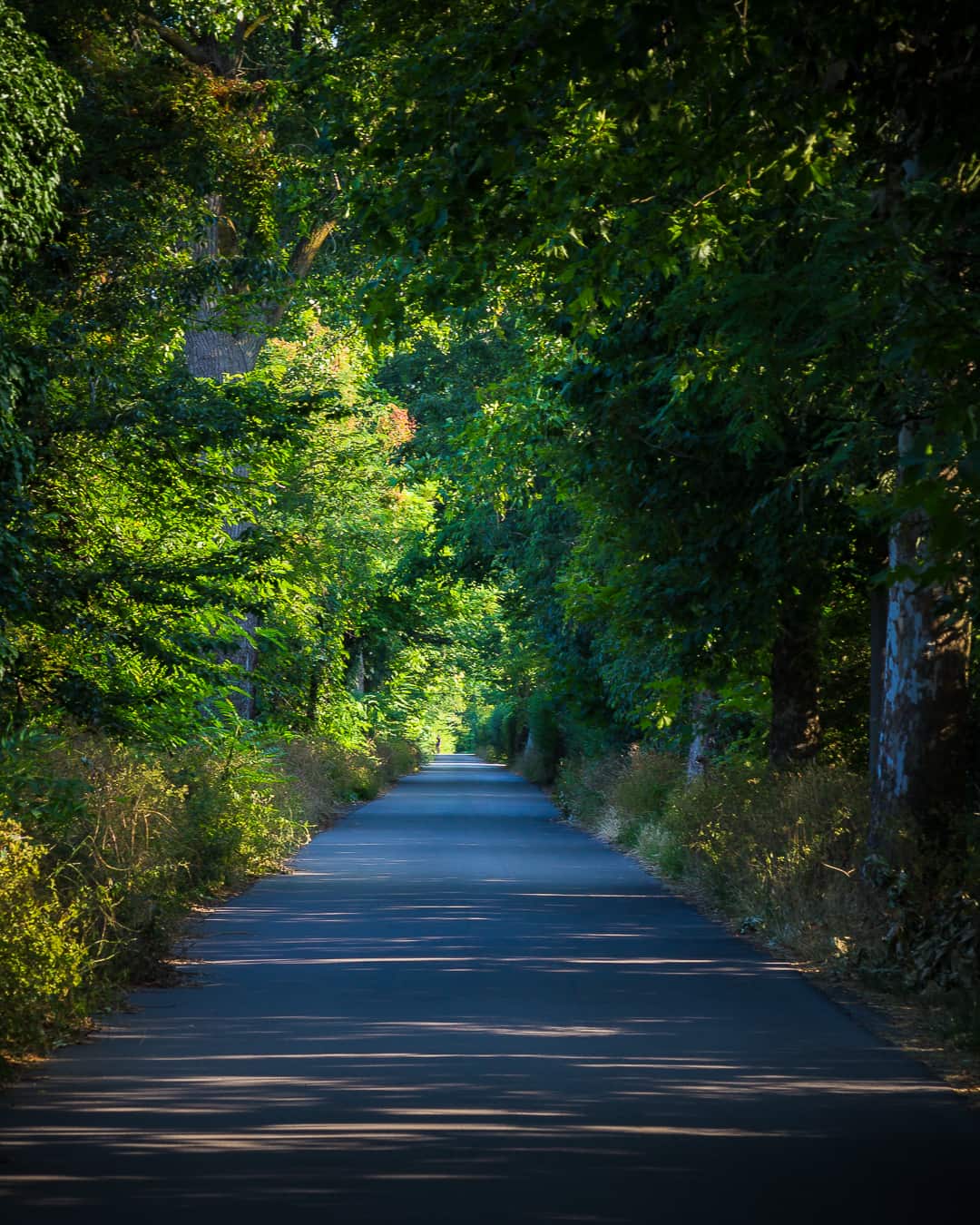
The avenue
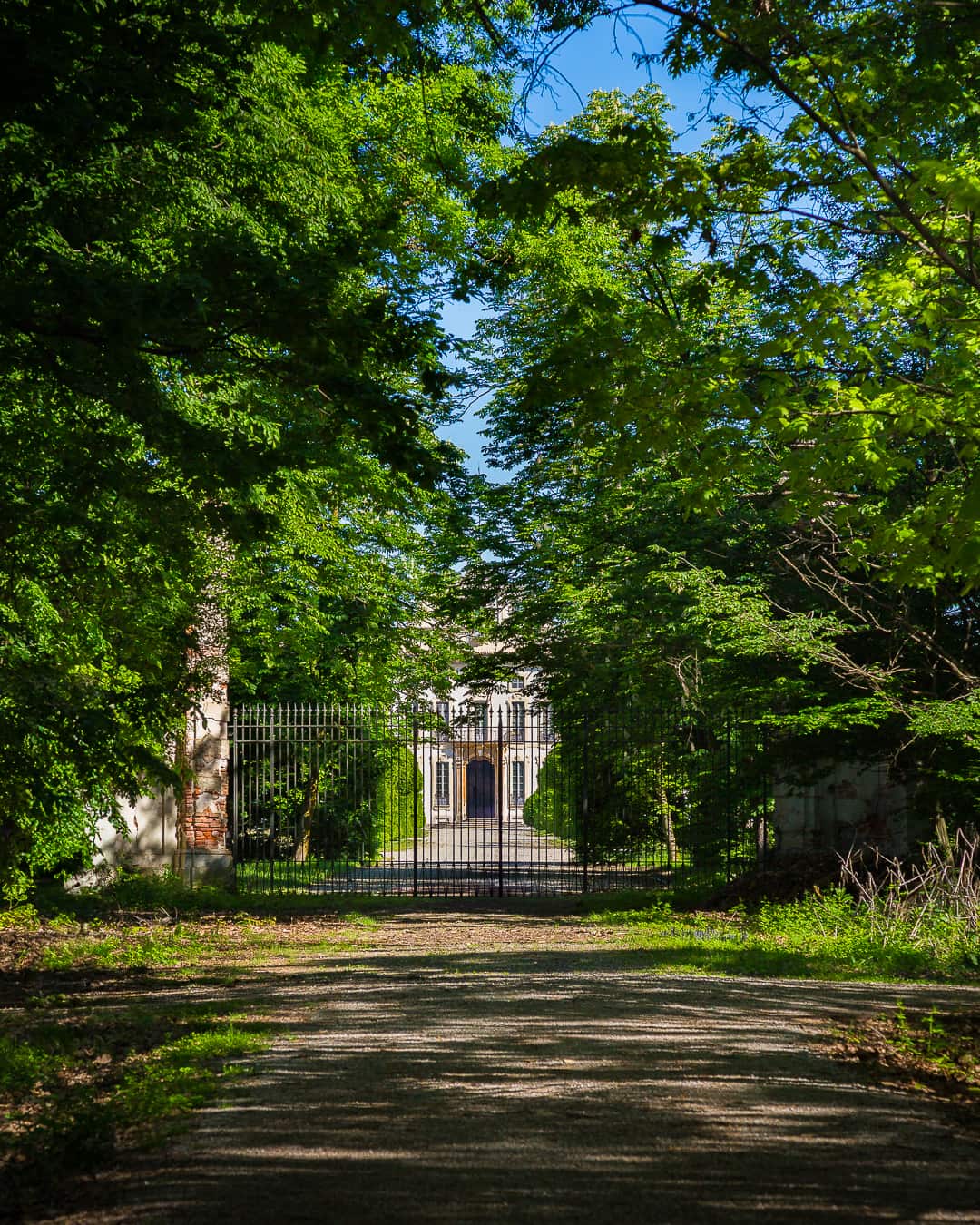
You reached the villa, and still do, along long tree-lined avenues. From the Varesina road, between two statues of big cats and two obelisks, the Via dei Leoni sets off: two rows of hornbeams leading to the main gate.
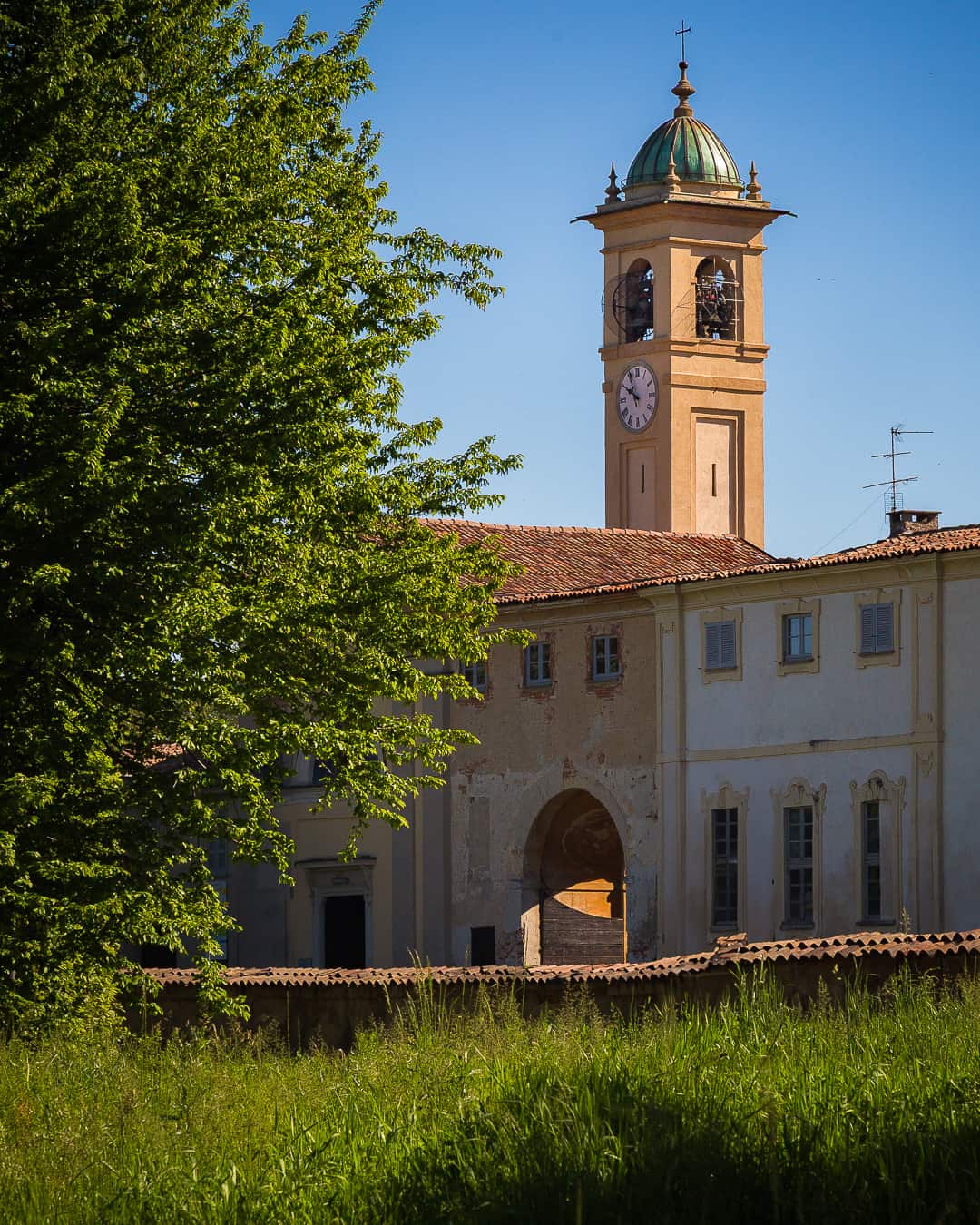
Next to it lies the hamlet of Castellazzo, with its courtyards and church. The villa is not isolated: it is the centre of a small world.
Behind the walls, twelve hectares of garden with statues, fountains and hedges: one of the very few formal Italian- and French-style gardens in Lombardy.
The façade
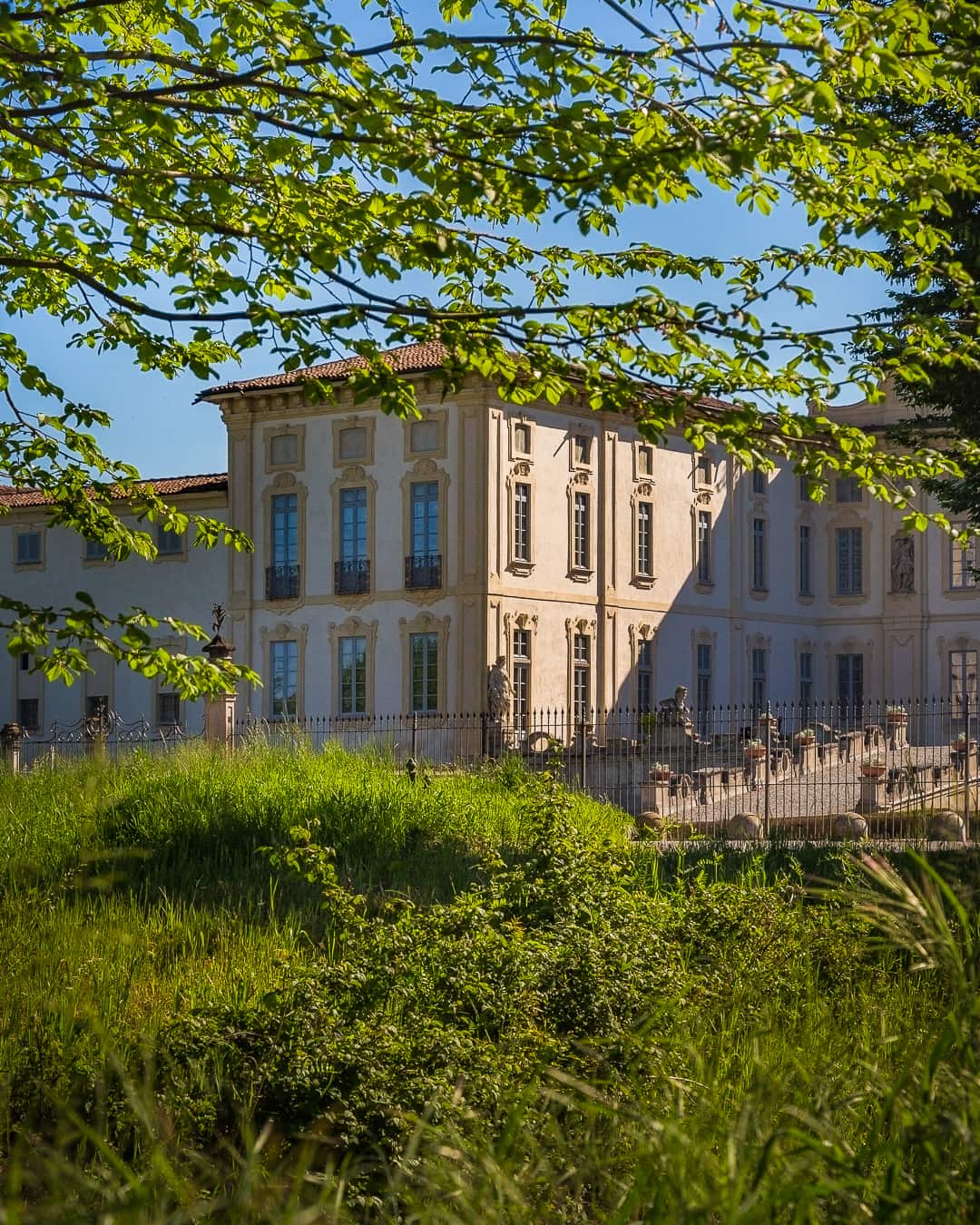
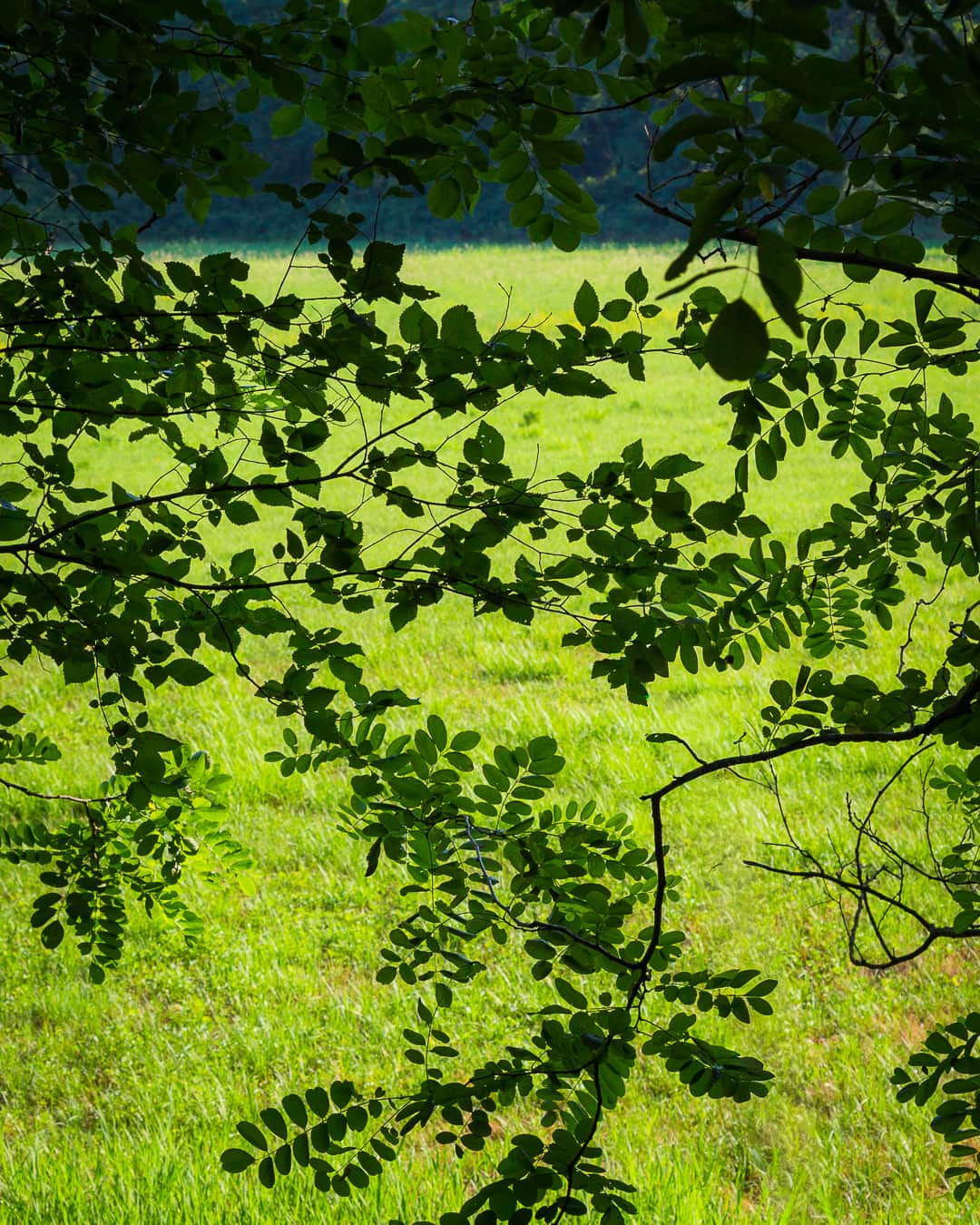
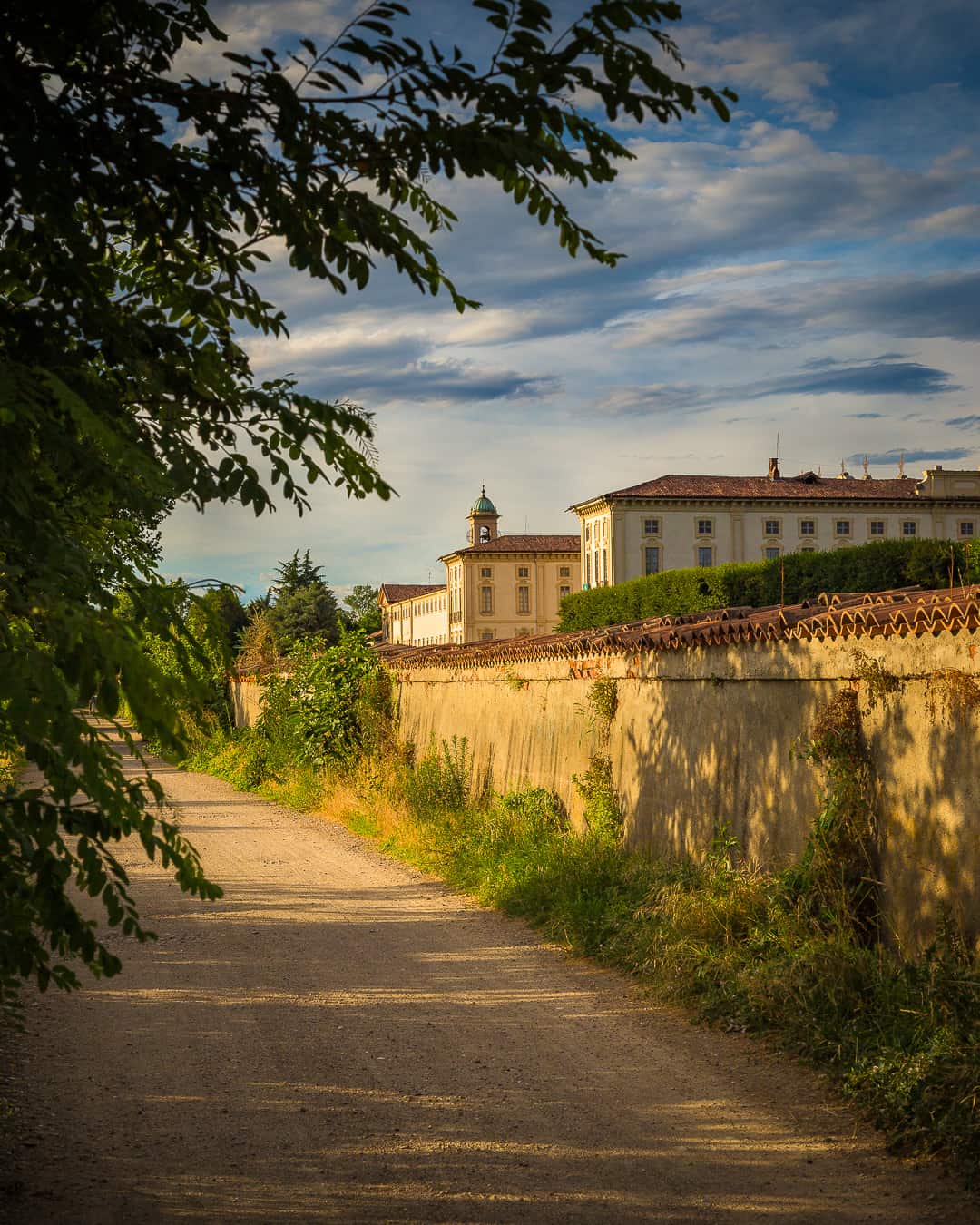
Through the leaves, the pale façade with its rows of windows. The villa is said to have seventy rooms and 365 windows, one for every day of the year. True or not, the figure captures the scale of the Castellazzo: a country house that wanted to become a palace.
The turret
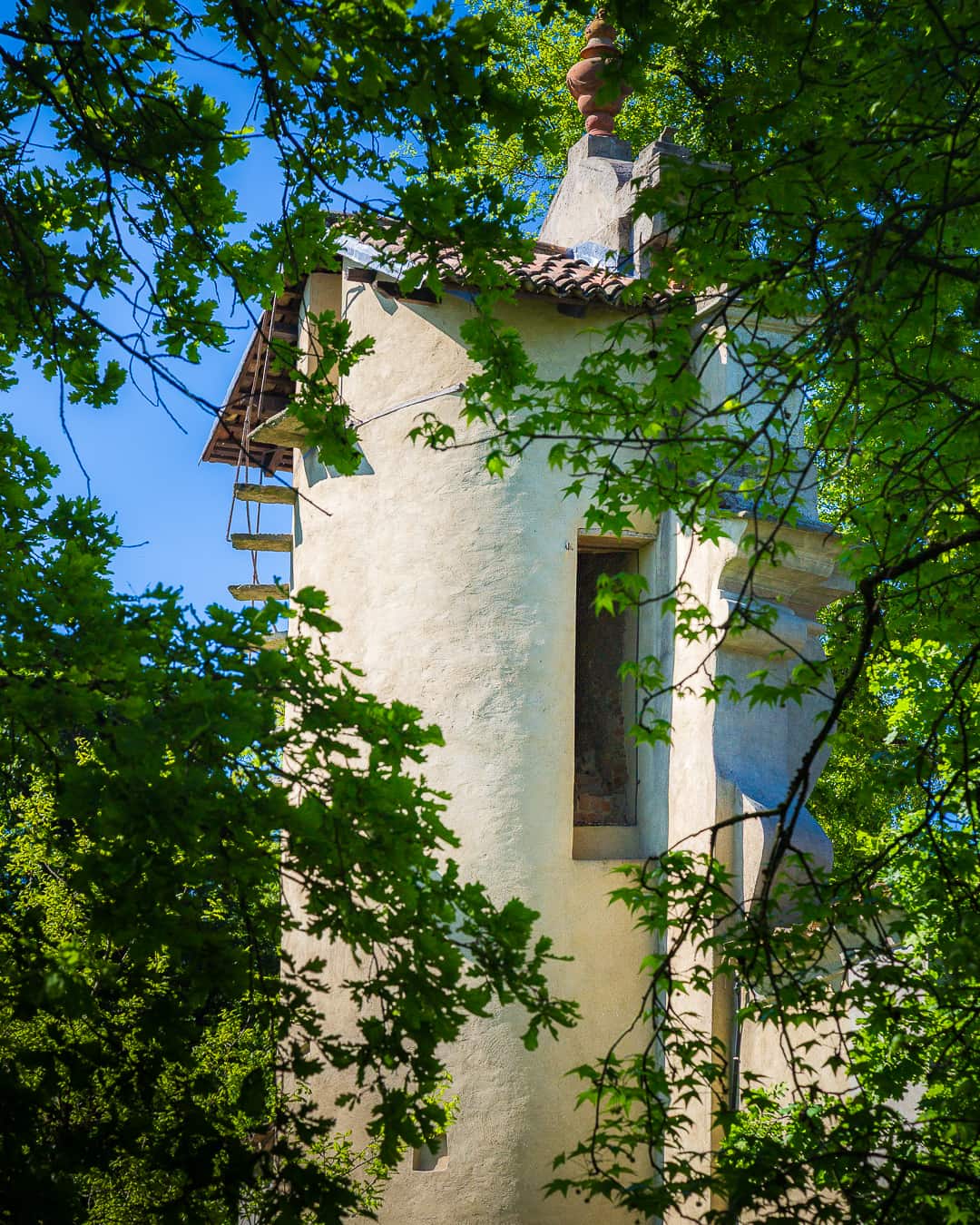
A round white volume with a tiled roof, peeping out between the branches. Around the villa stand many minor buildings: courtyards, outbuildings, small structures. The Castellazzo was a world of its own, halfway between a noble residence and the farming hamlet it grew from.
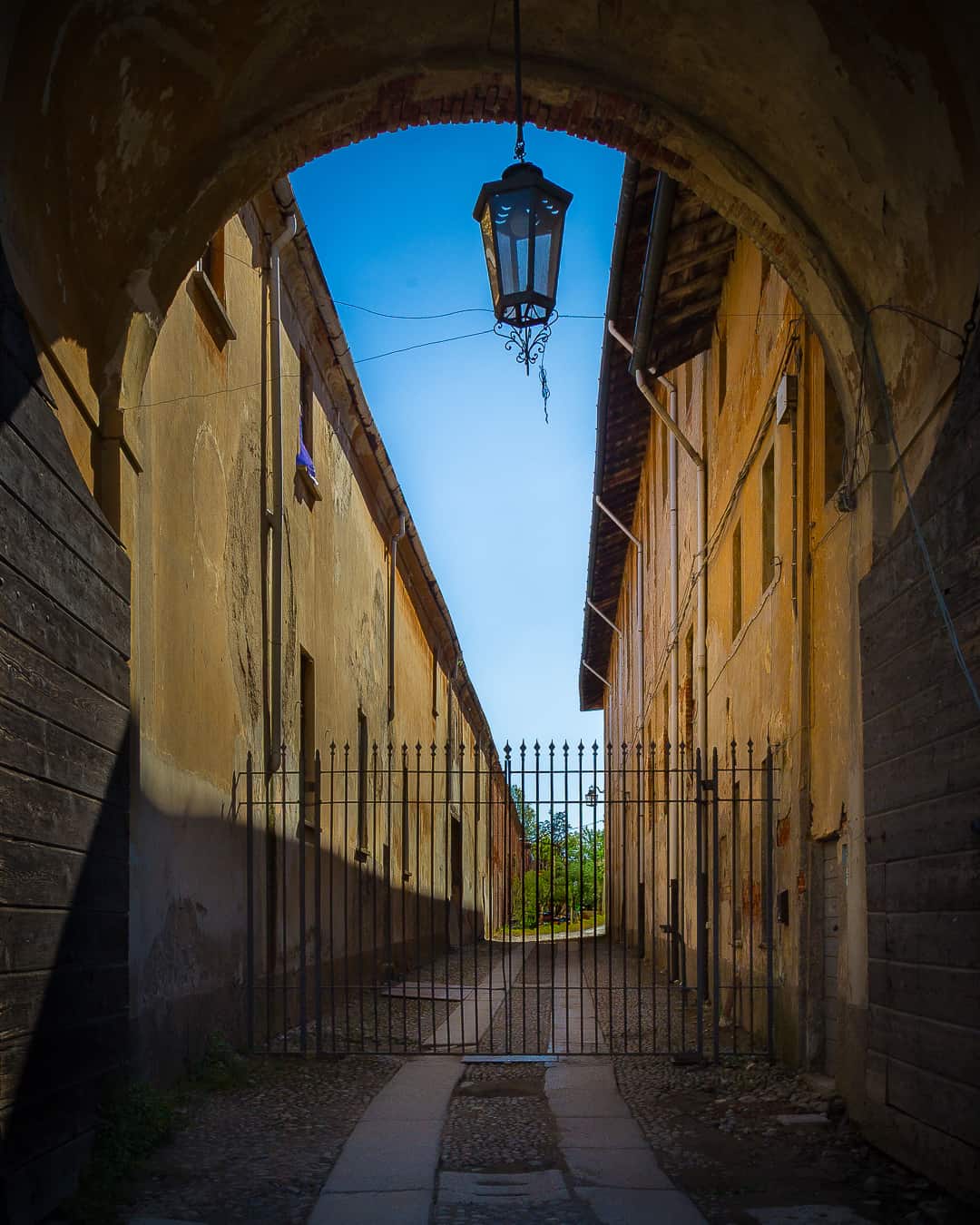
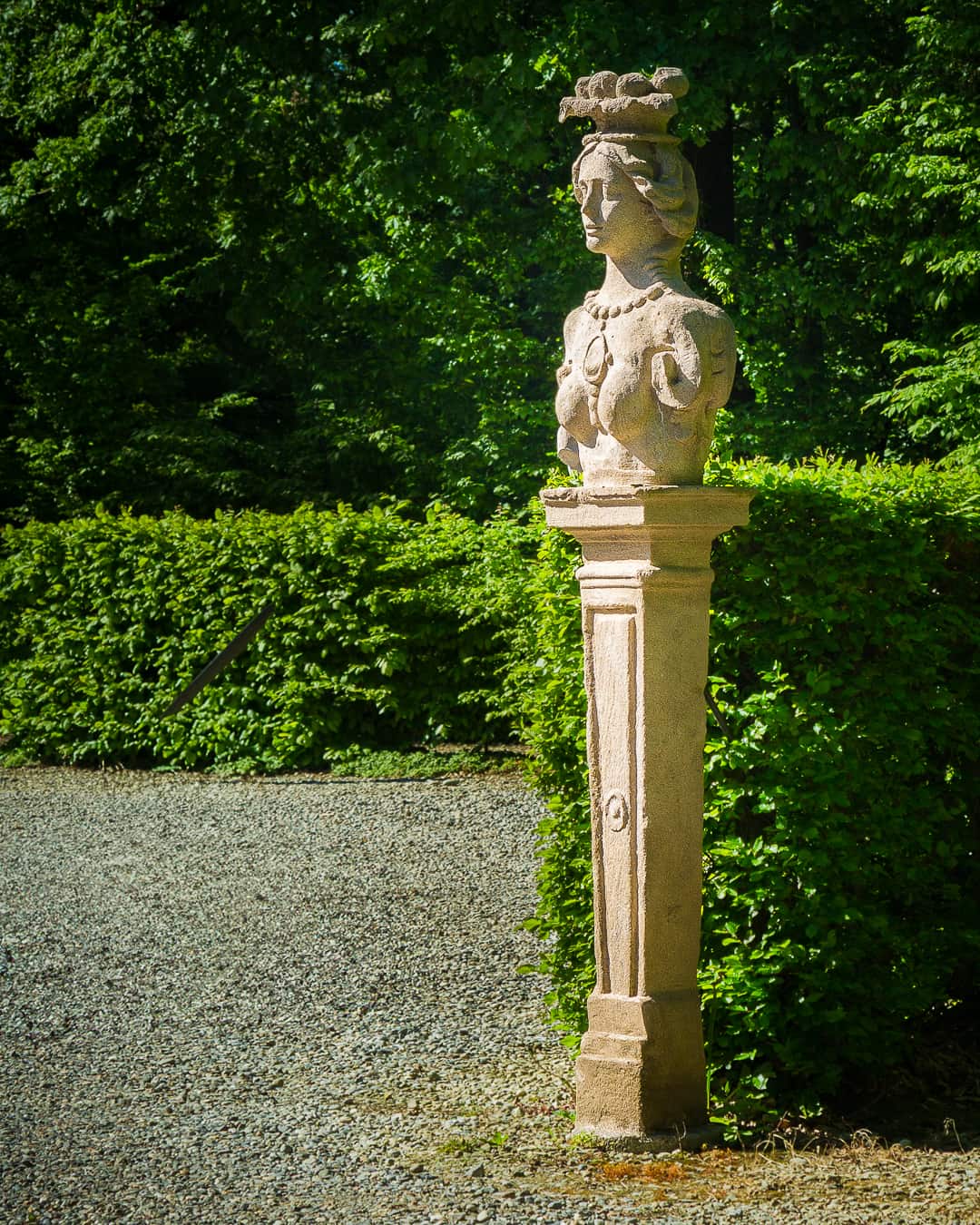
The herm
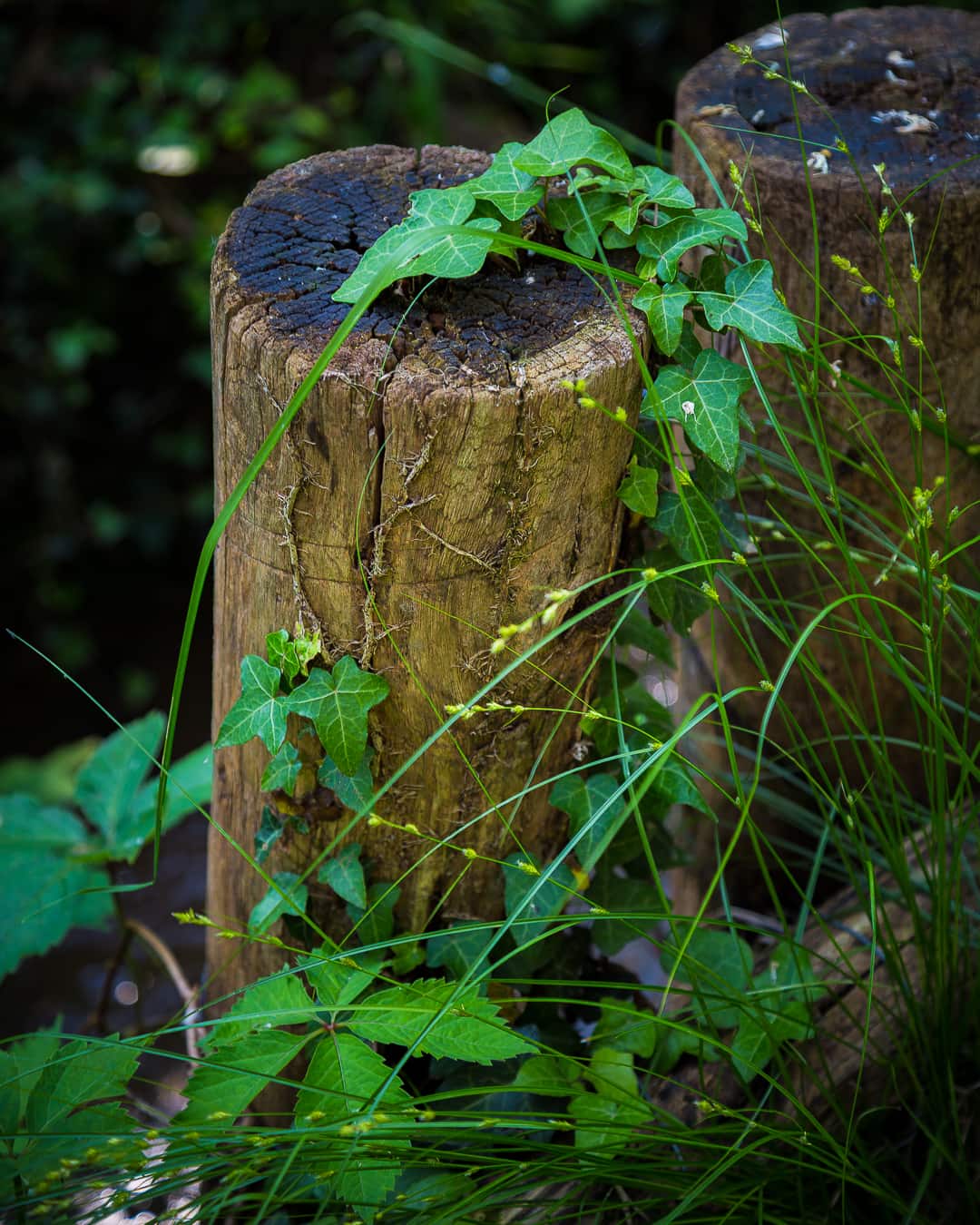
A woman’s bust on a pillar, between hedges and gravel. Galeazzo Arconati assembled one of Milan’s most important collections: ancient marbles, plaster casts, paintings, drawings and sheets by Leonardo. At the Castellazzo he set up a sculpture museum and a workshop to copy the pieces and care for the garden statues.
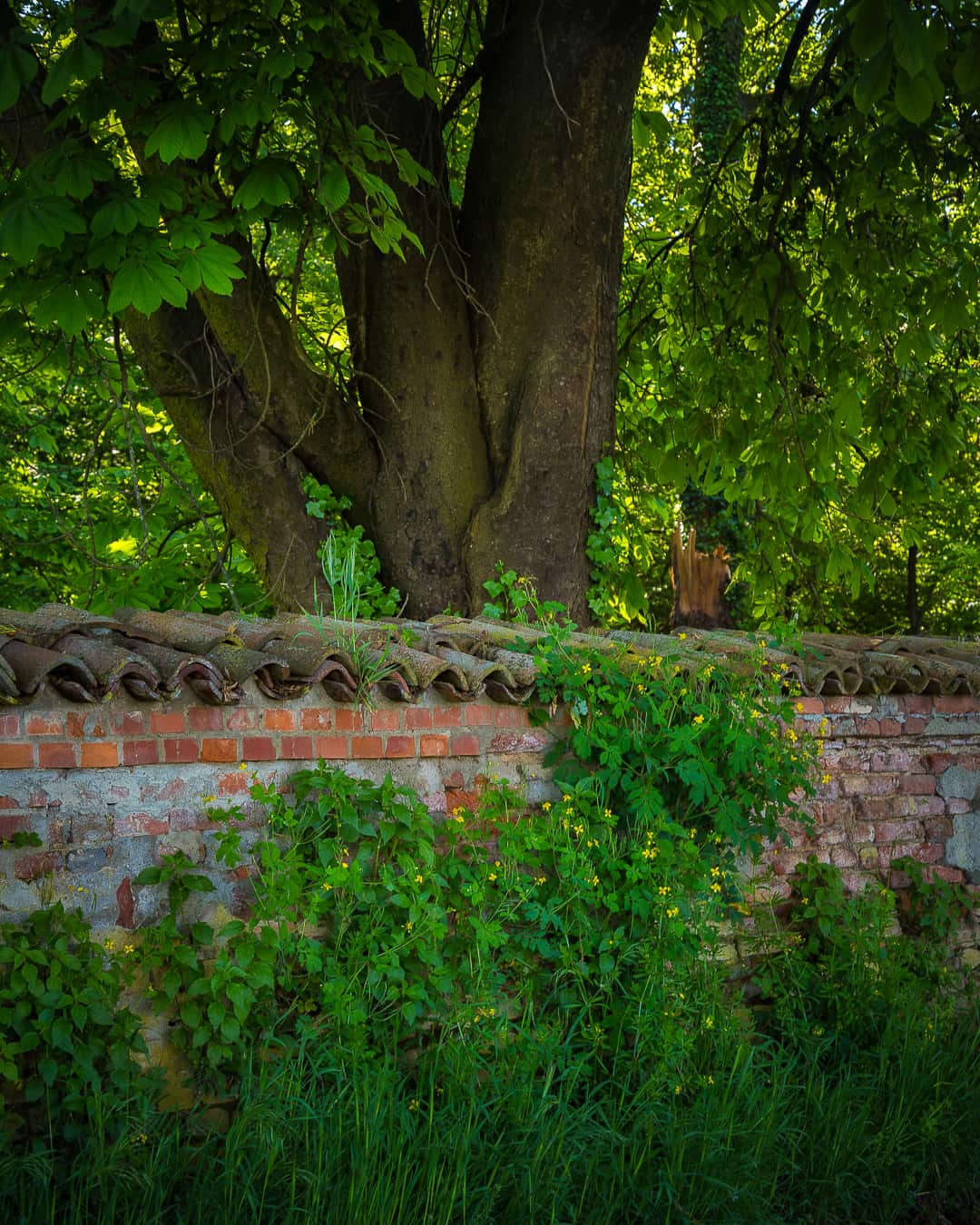
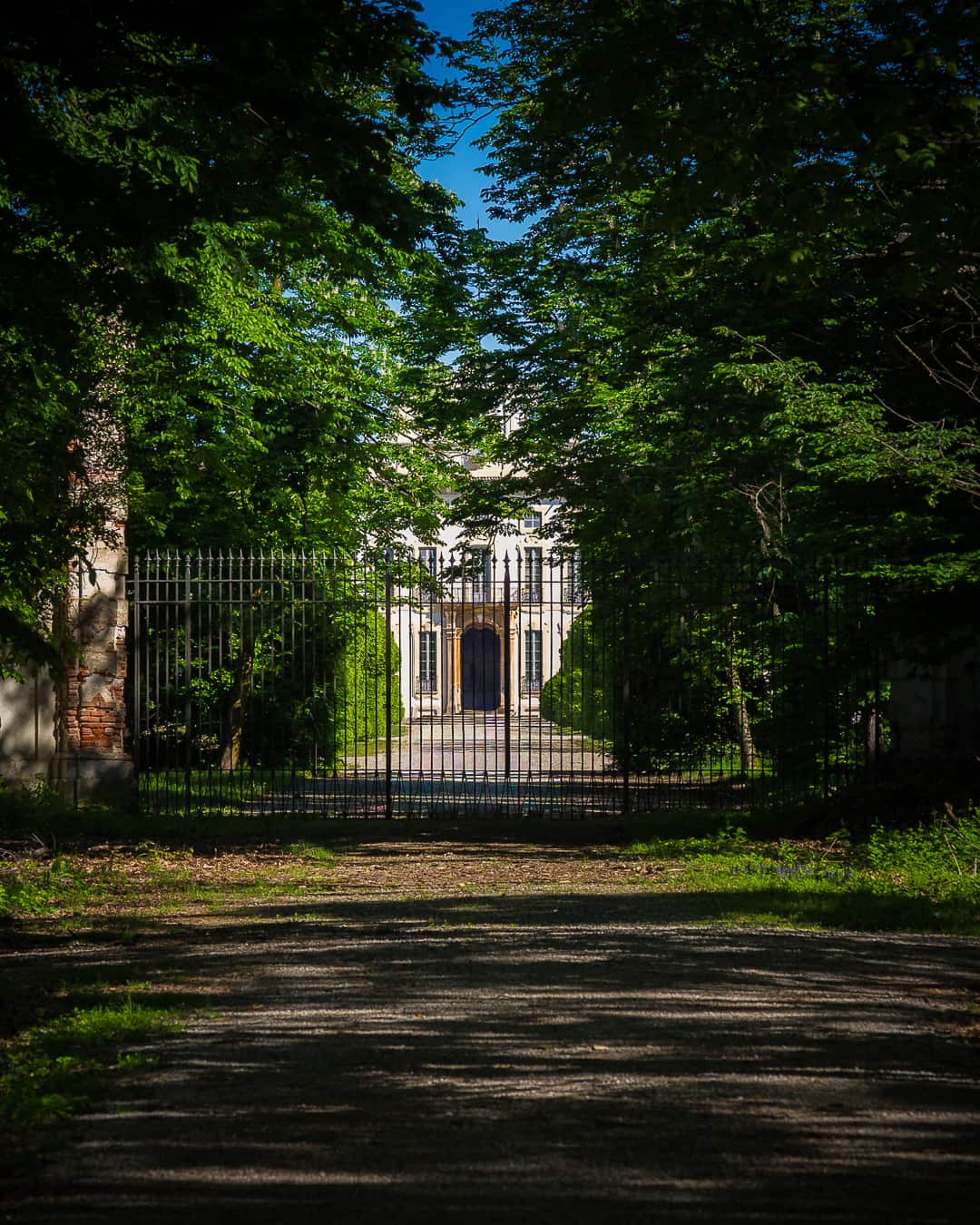
II
The waters
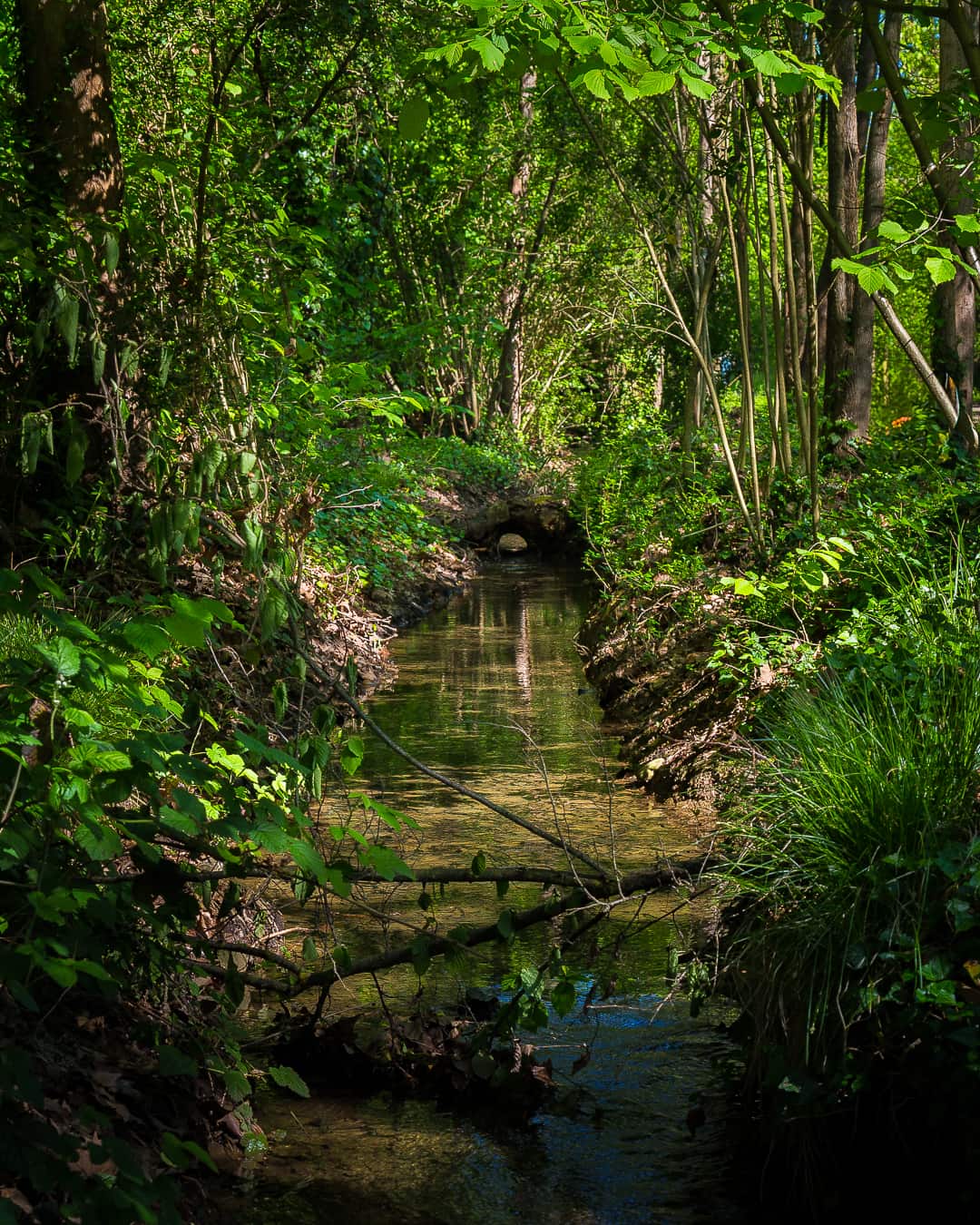
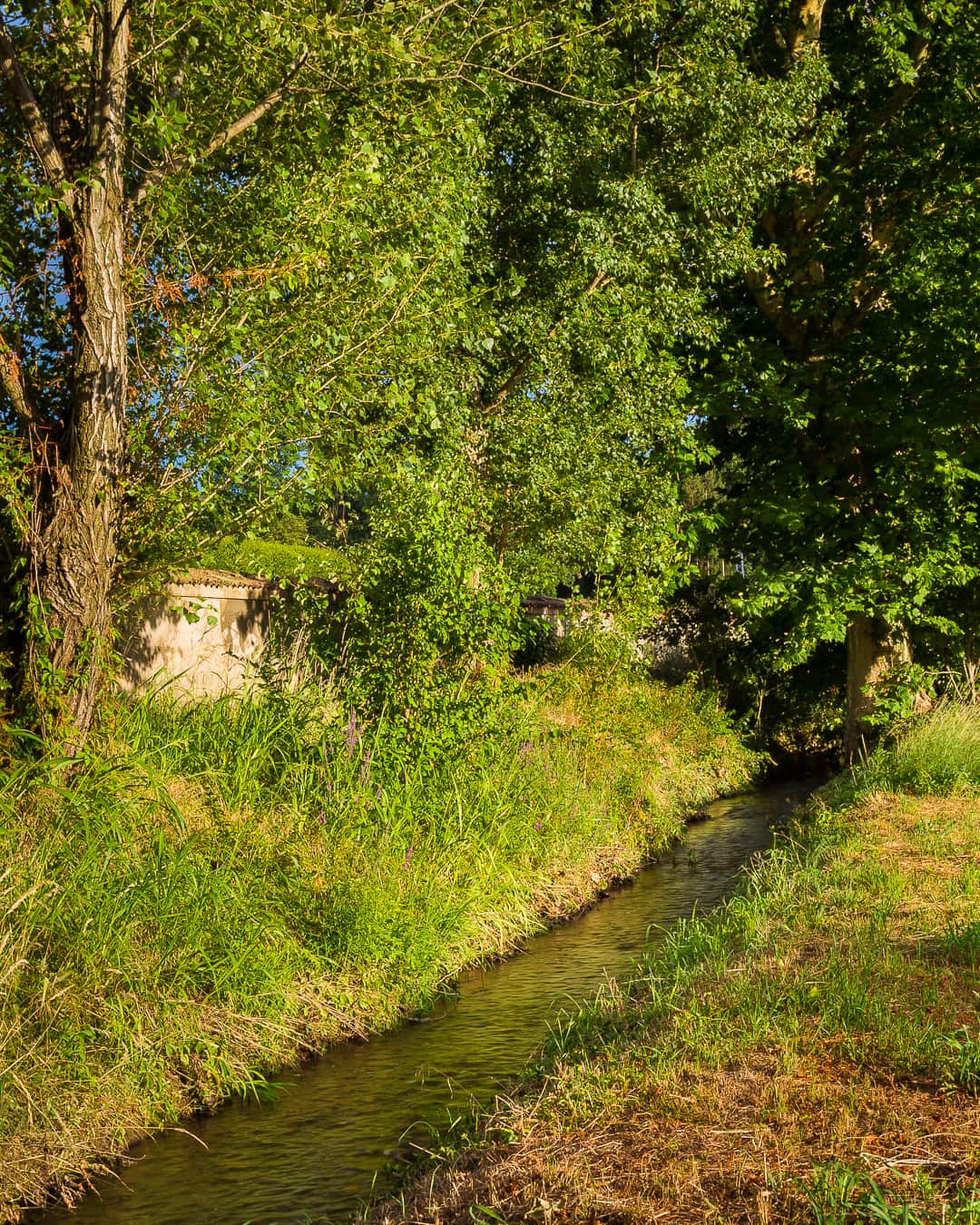
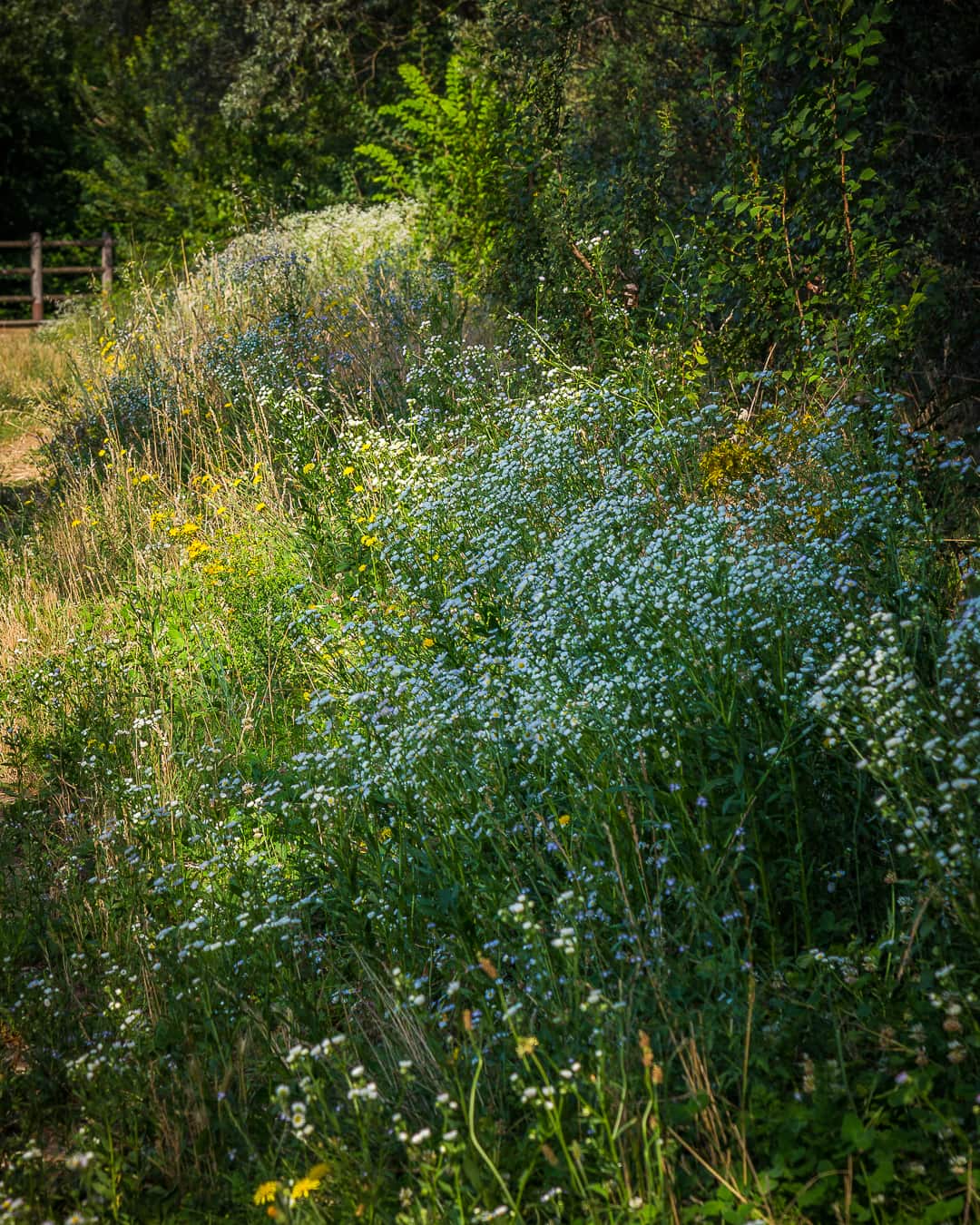
Around the villa stretches the Groane park. Small streams, woods, meadows: it is partly thanks to this green belt that the Castellazzo was not swallowed by the city and kept its identity.
You walk in the shade even in summer, along earth paths, while the water flows slowly beside you.
Milan is only a few kilometres away, but from here you cannot hear it.
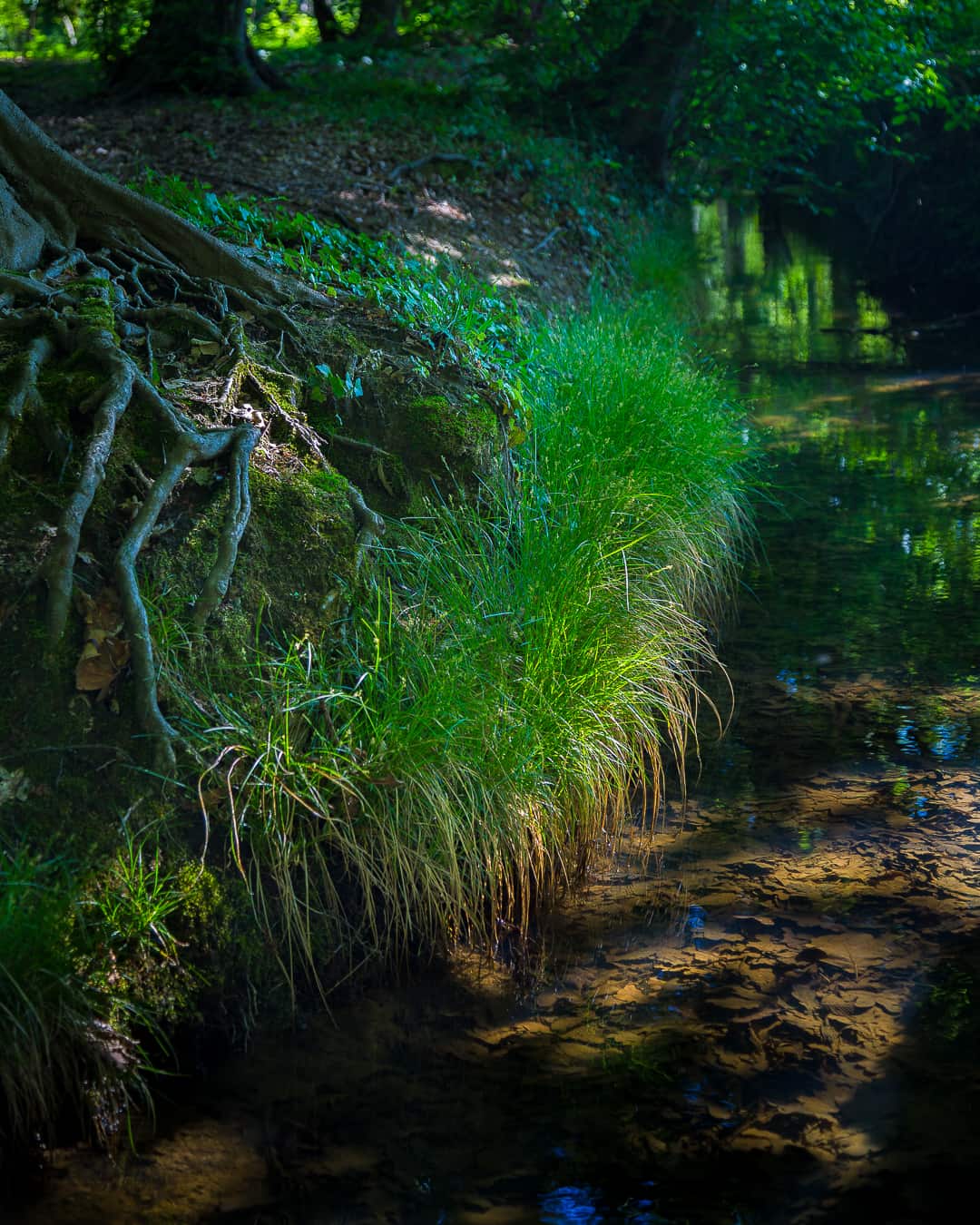
The roots
Bare roots, tall grass, shallow water running over stones. You only have to walk a little way from the villa’s walls to find a landscape that feels far from any city. Yet Milan is a dozen kilometres away: the park makes all the difference.
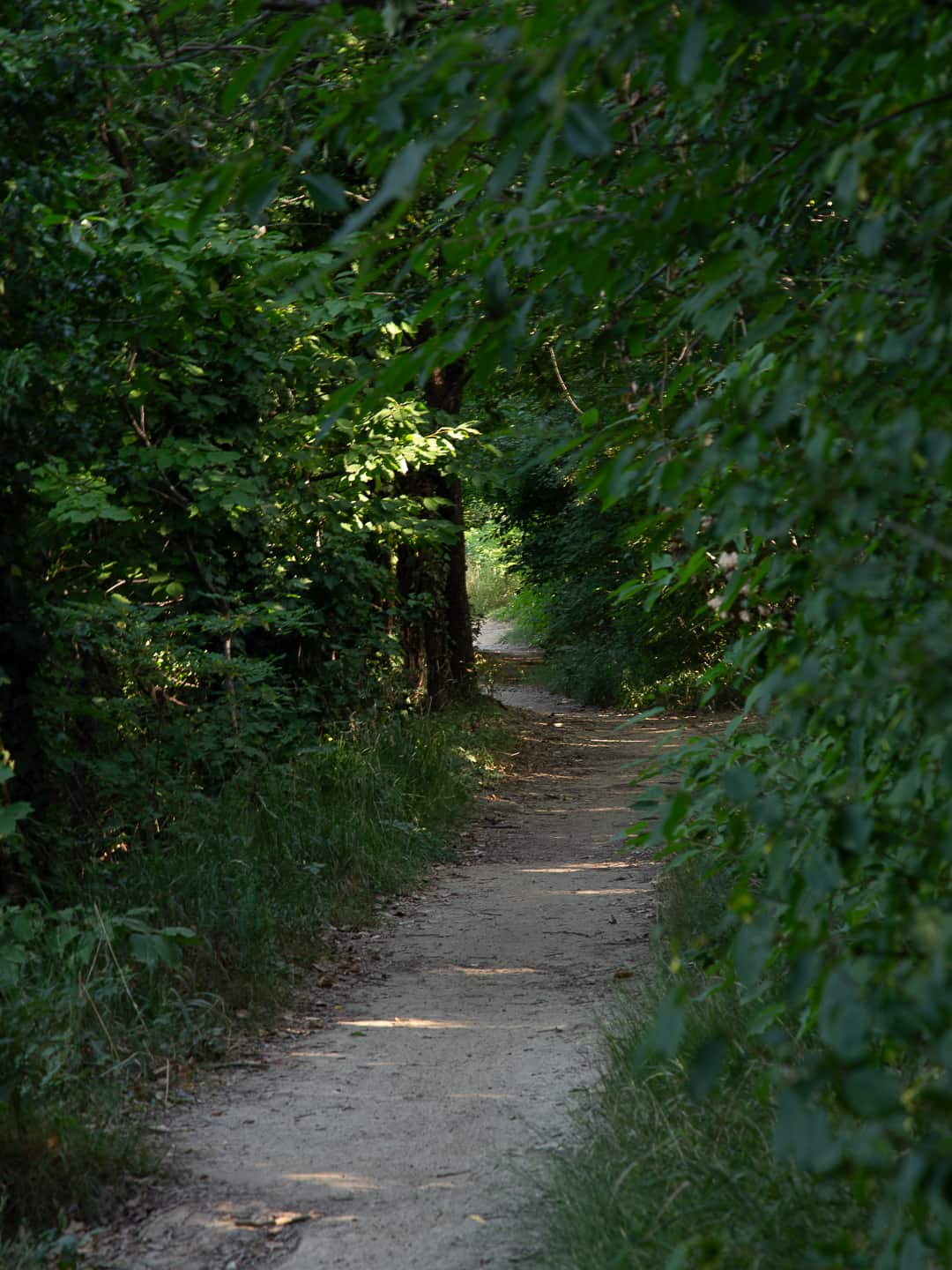
The path
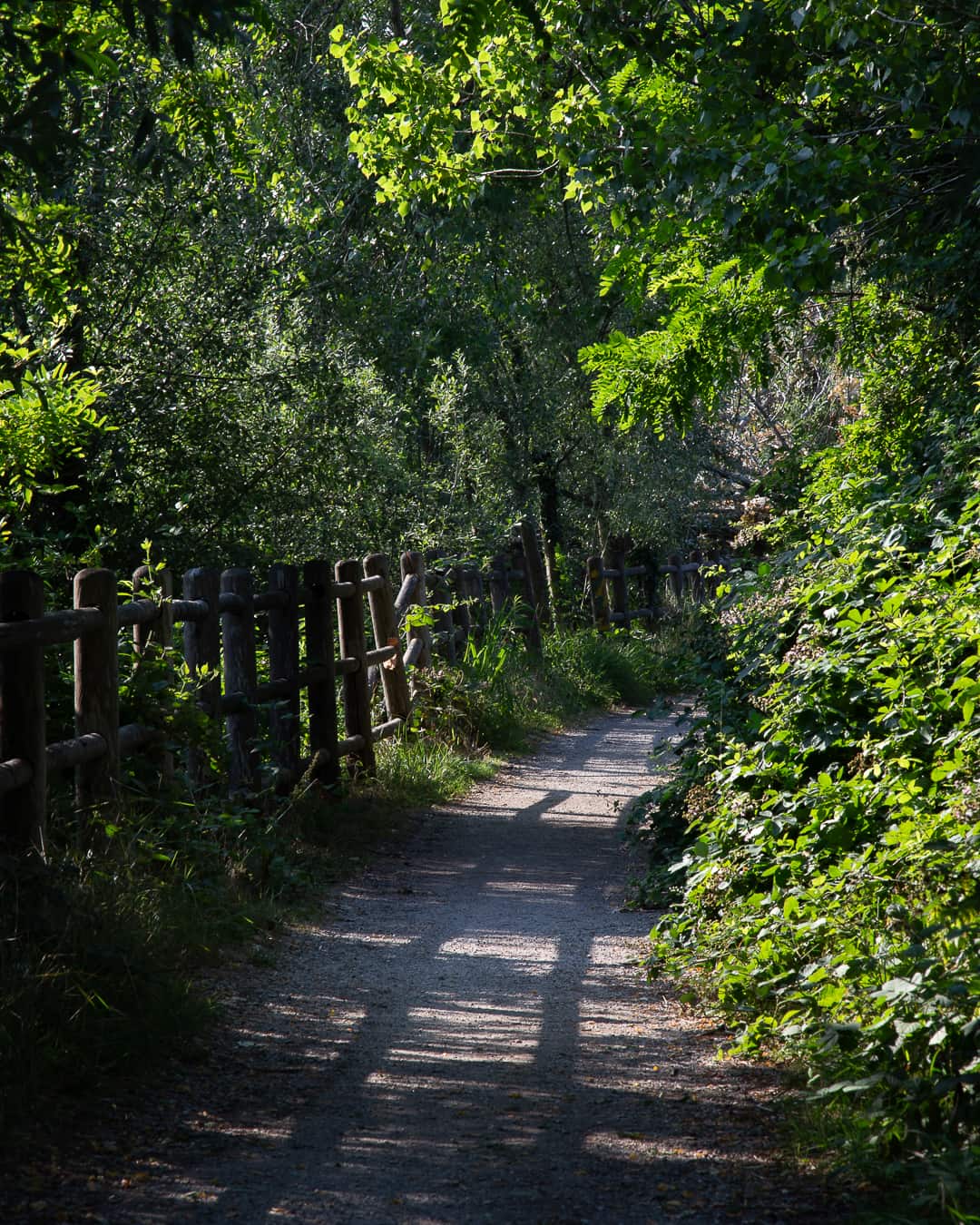
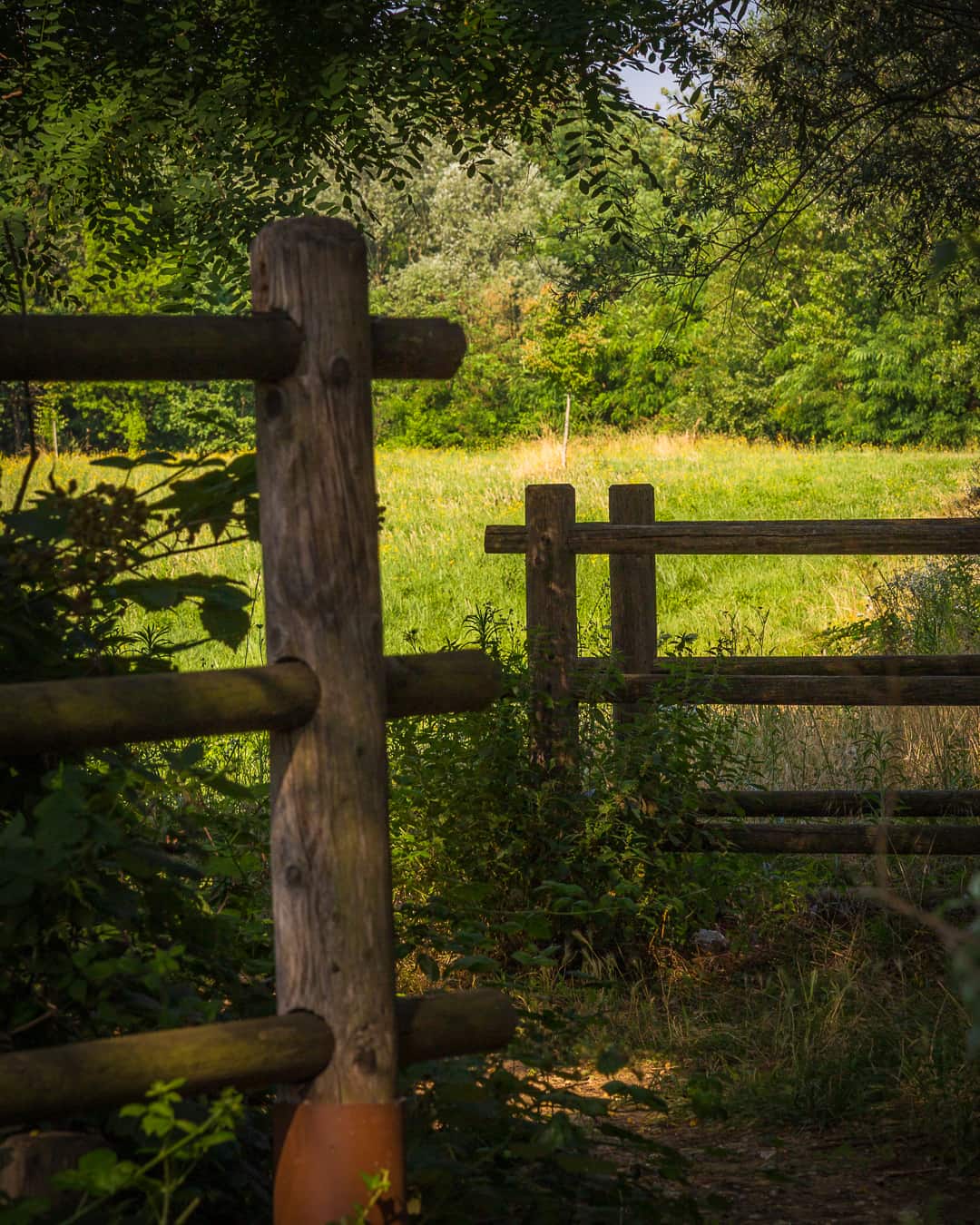
A wooden fence, a beaten-earth path, leaves closing overhead. Villa Arconati has stayed intact partly because the city never reached it: it sits in the green heart of the Groane park. Here you walk between woods and meadows, at the slow pace of the countryside.
III
The fields
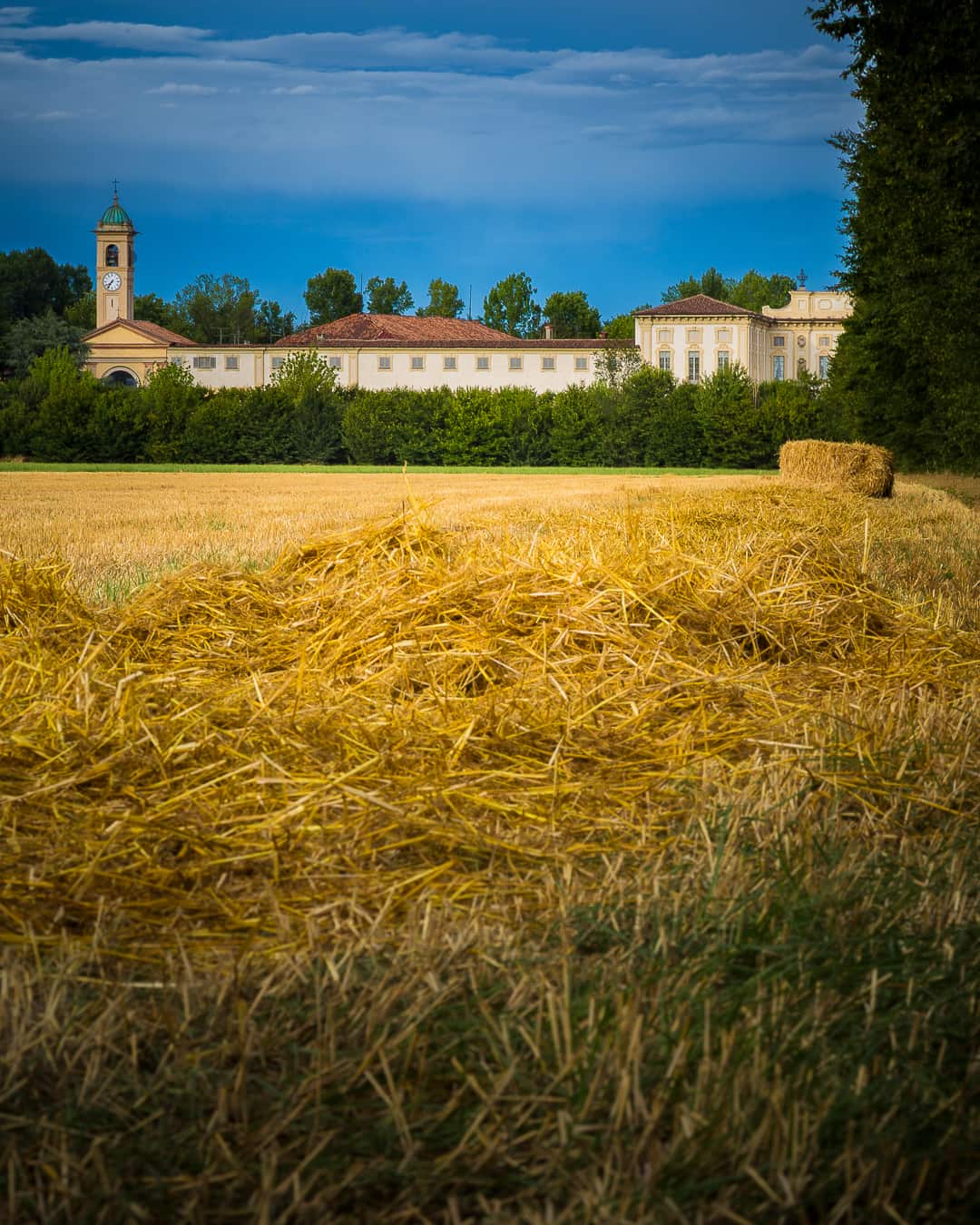
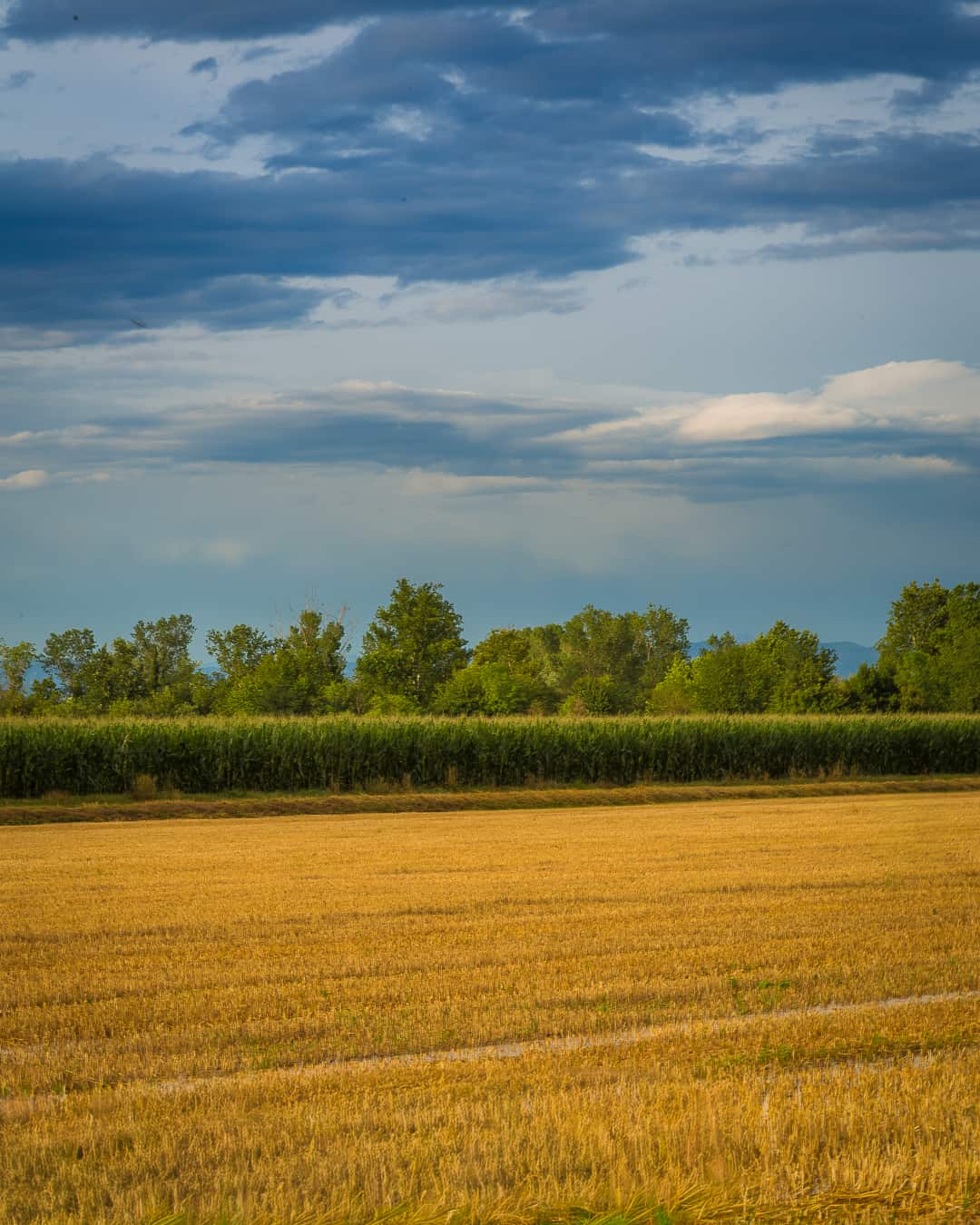
Out of the woods, the plain opens up. Wheat, maize, bales of straw: the countryside comes right up to the villa’s walls.
This is what Milanese nobles came looking for in the summer season: air, shade, harvests, the pleasure of a house built for the sun.
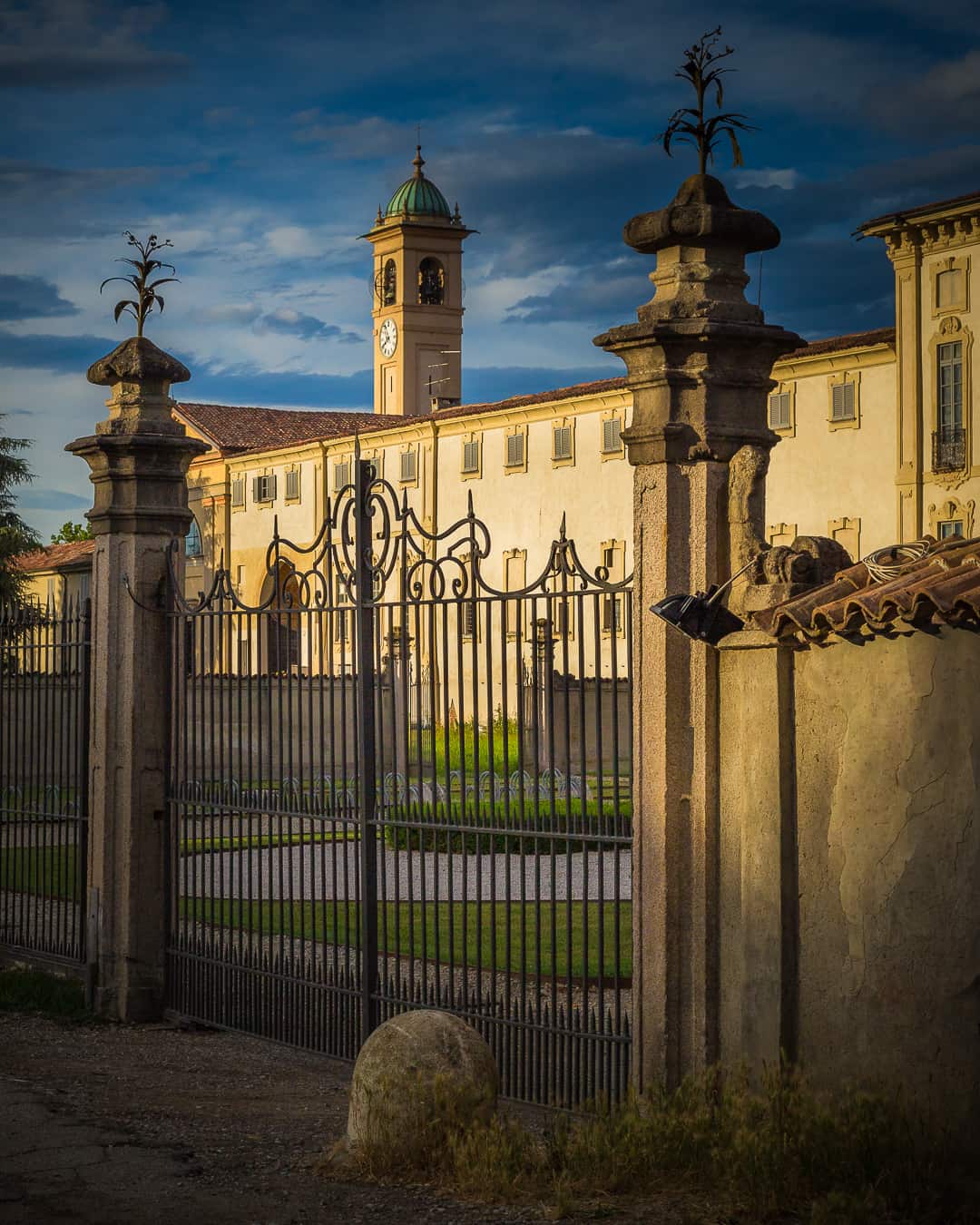
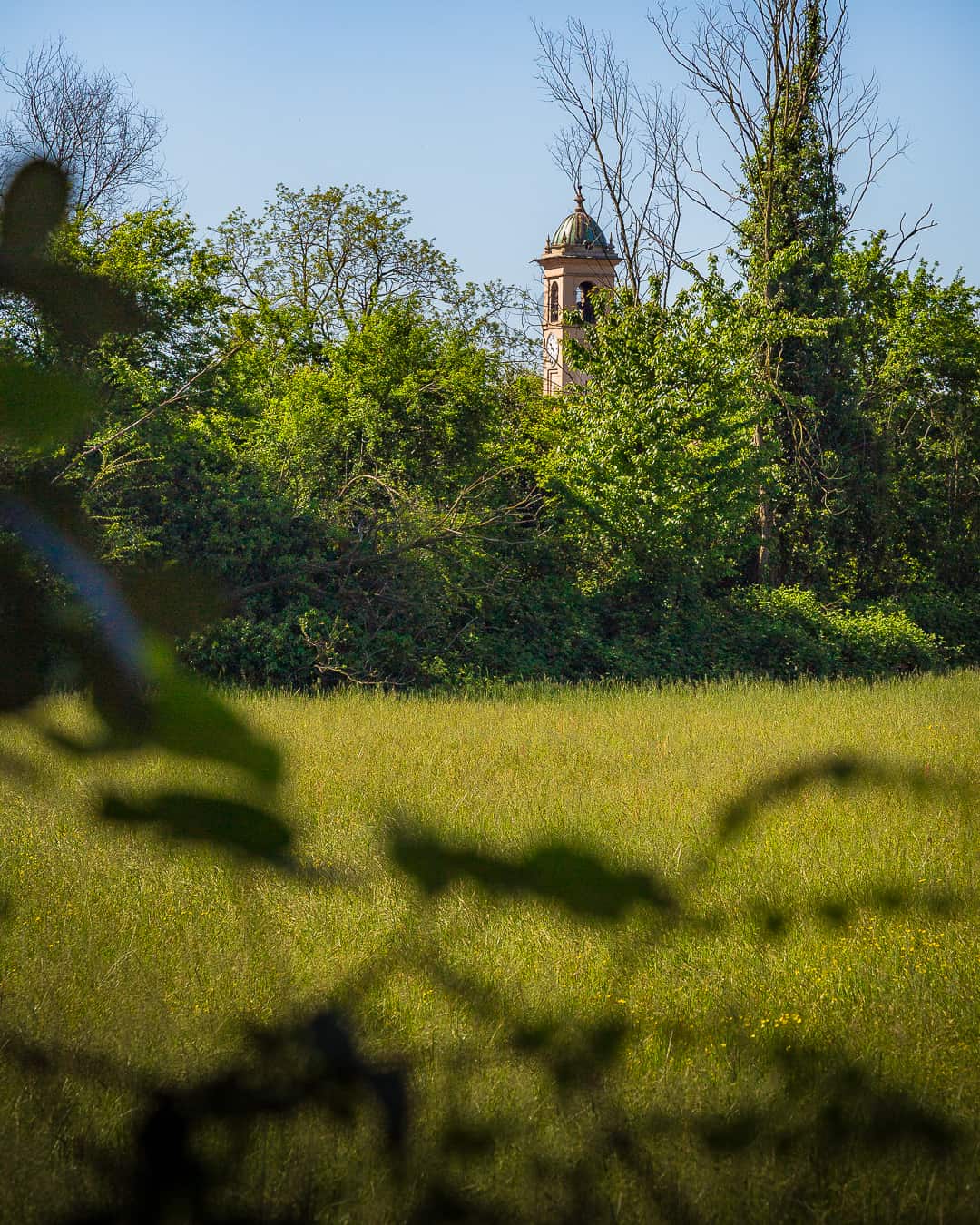
In the evening the façade turns yellow and the hamlet’s bell tower lights up against the sky. That is the moment to walk back to the gate.
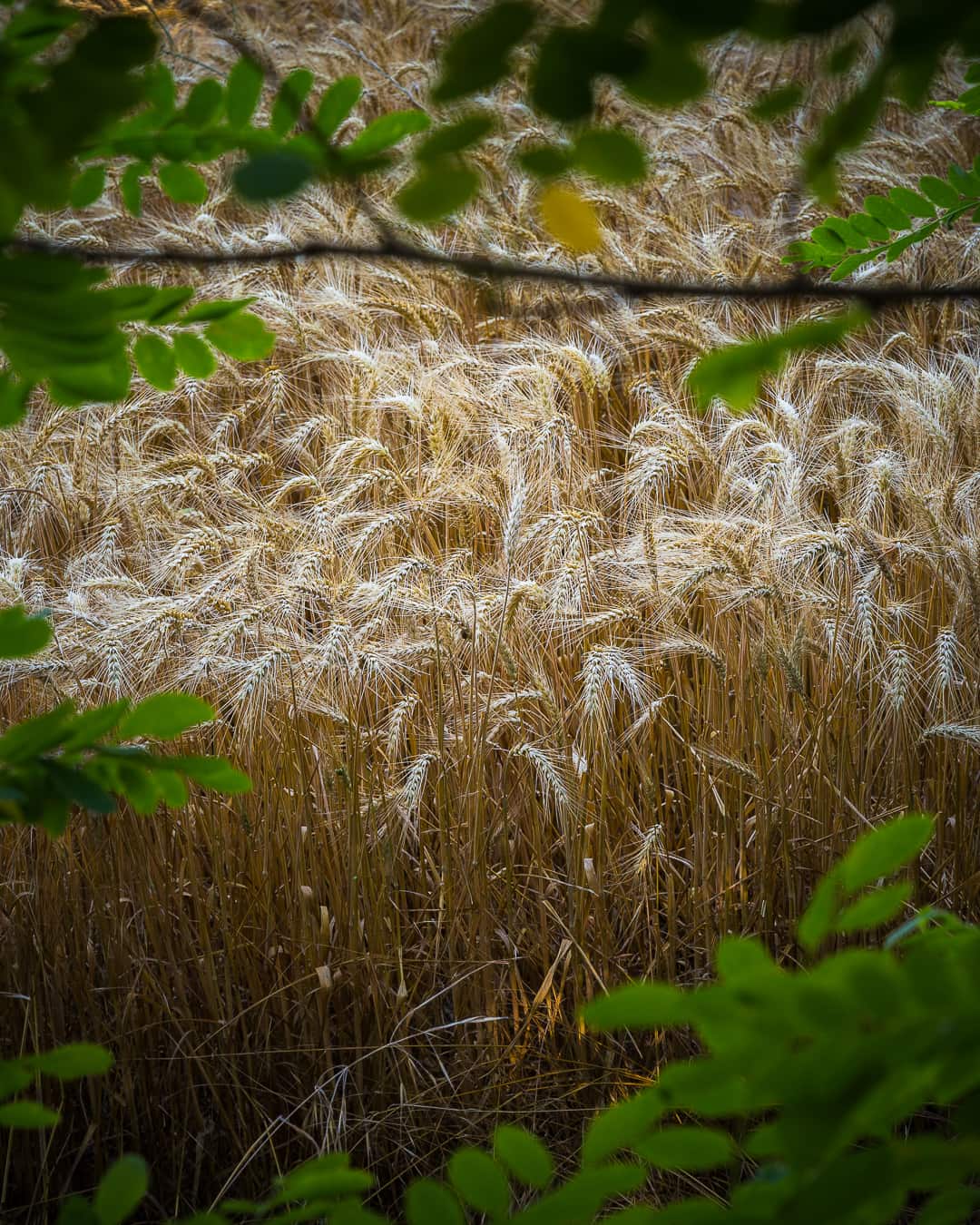
The wheat
Ripe ears, still standing, seen through the leaves. Around the Castellazzo the land is still farmed. In 1610 Galeazzo Arconati bought an agricultural estate and turned it into a pleasure villa; the countryside, however, never left.
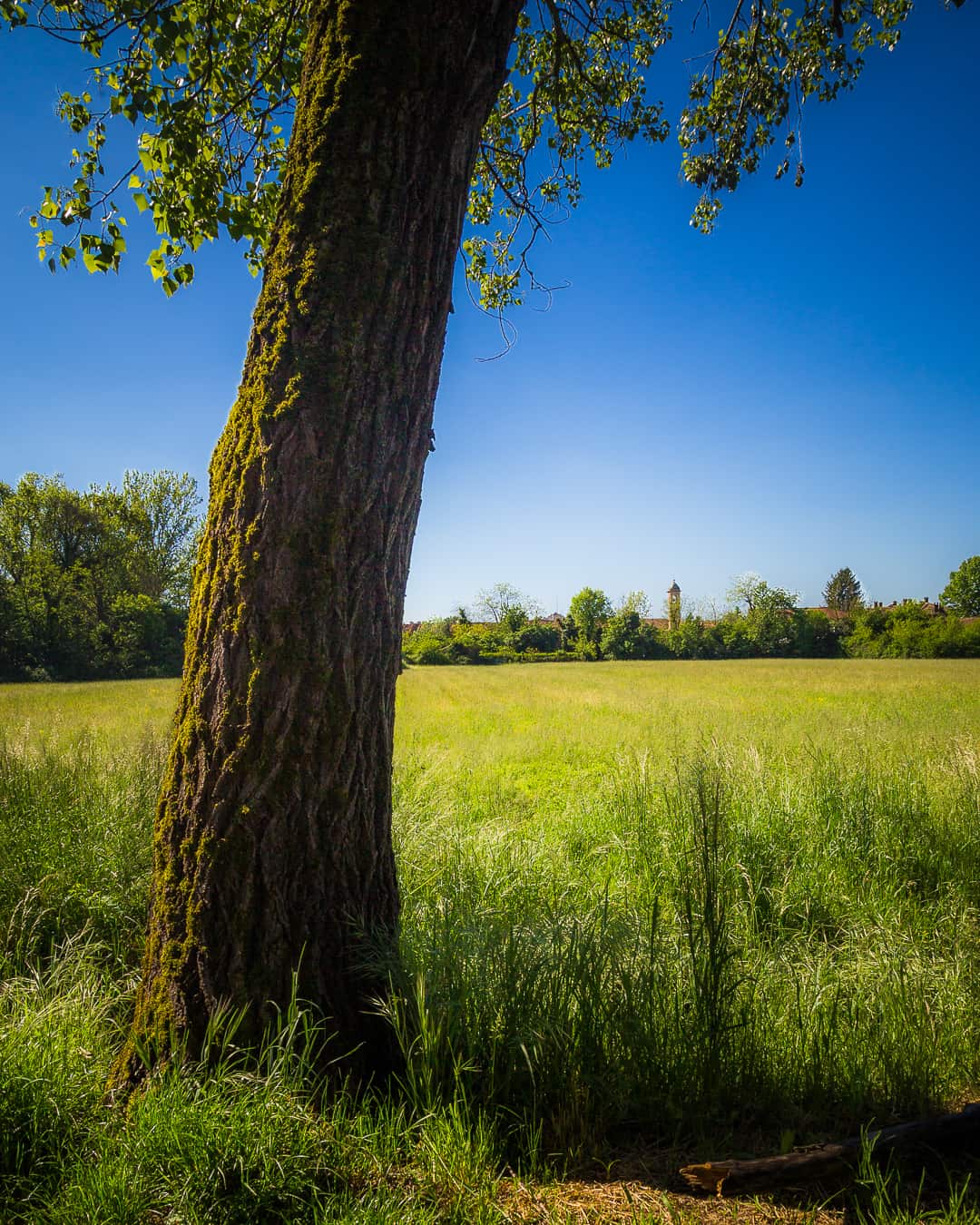
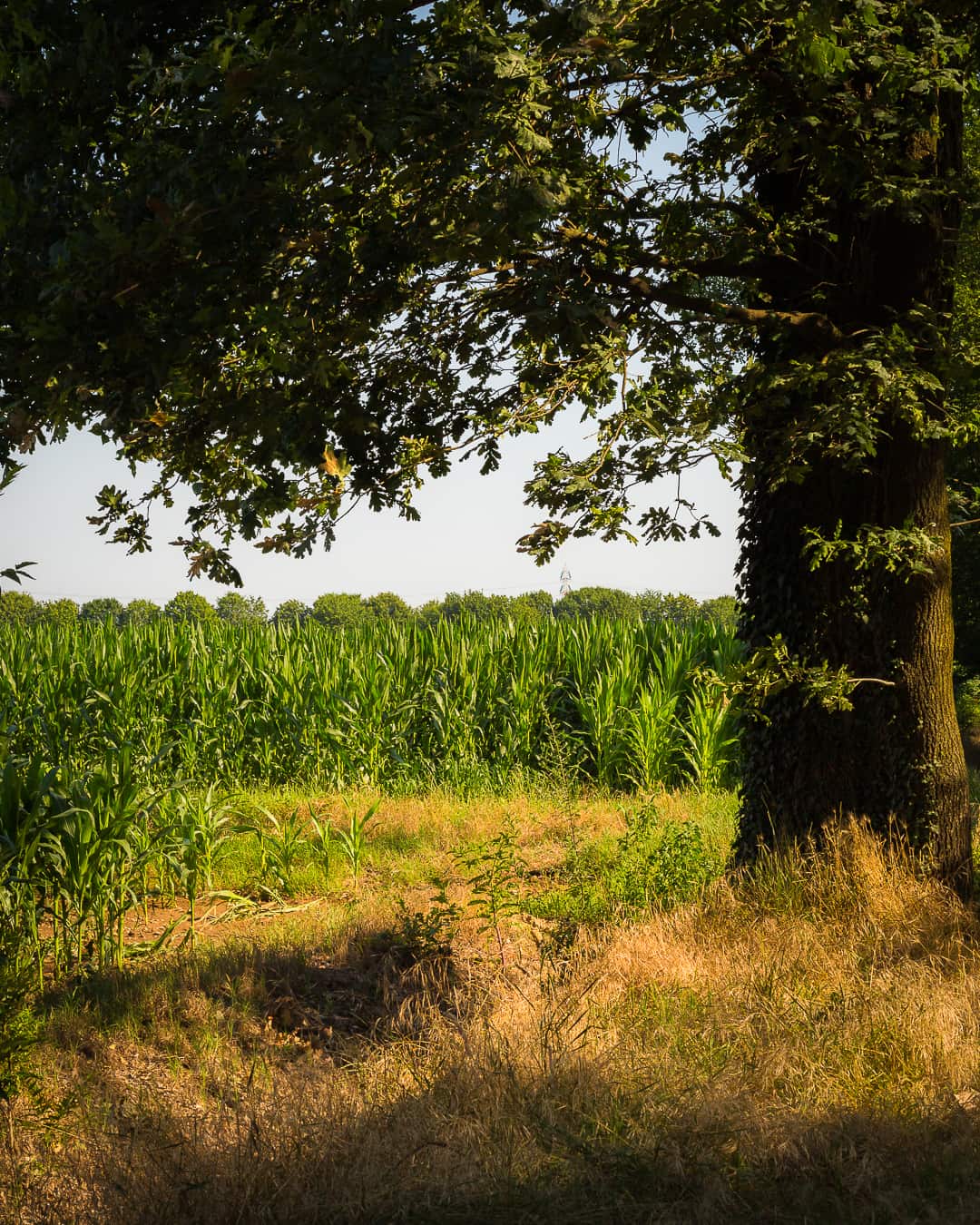
Maize and tree
Tall maize, a great tree, shade on dry grass. This is summer on the Lombard plain, the one Milanese nobles came to the villa to find. That is how the summer retreat was born: a few kilometres from town, among shade, air and harvests.
Getting there
- Where
- Castellazzo di Bollate, in the Groane park, about 12 km from the centre of Milan.
- When
- From spring to mid-December, on Sundays from 11 am to 7 pm (last entry at 6 pm). Dates change every year, so check them on the villa’s website.
- By train
- Ferrovienord, Milan–Saronno line, Bollate Centro stop.
- A break
- On opening days the Caffè Goldoni serves visitors.
- Our advice
- Walk in along the park’s paths and stay until evening: the façade catches the sunset light.
Information checked on 21 November 2026.
Sources
- Villa Arconati, scheda — Lombardia Beni Culturali
- Villa Arconati — MuseiOnline
- Villa Arconati, quattro secoli di storia in quattro visite — Il Giorno, 2026
- Le ville di Bollate e Lainate — Il Giorno
- I giardini di Villa Arconati tra i 10 parchi più belli d’Italia — Fanpage
- Riapre Villa Arconati, la piccola Versailles d’Italia — SiViaggia, 2026
- A Pasquetta riapre Villa Arconati — Il Giorno, 2026
- Villa Arconati, visite e invernali — Il Giorno, 2026
- Villa Arconati, orari e servizi — TicketOne
- Villa Arconati, apertura al pubblico — in-Lombardia
Note
Photographs by William, also published on Instagram as @guglielmo.foto.
Texts and layout: WIDE Edizioni, Rho. Historical and practical information is checked against the sources on the previous page.
© 2026 WIDE Edizioni
A book for your place
We photograph villas, museums, villages and landscapes in natural light, and turn them into images ready for your website, print and social media. Or into pages to leaf through, like these.