WIDE Edizioni
Parco Pallavicino
Stresa, Lake Maggiore
Photographs by William
The park on the gulf
On the Stresa lakefront, towards Belgirate, a park of about 18 hectares climbs from the shore among ancient trees, flowers and animals.
In 1855 Ruggero Bonghi, a Neapolitan philologist and politician and a friend of Manzoni and Rosmini, bought land here to build a holiday home. Then came the Pallavicino marquises, who gave the villa its name and the park its shape. Since 2021 villa and park have belonged to the Borromeo family.
These pages explore it in three movements: the villa, the garden, the woods and their residents.
I
The villa
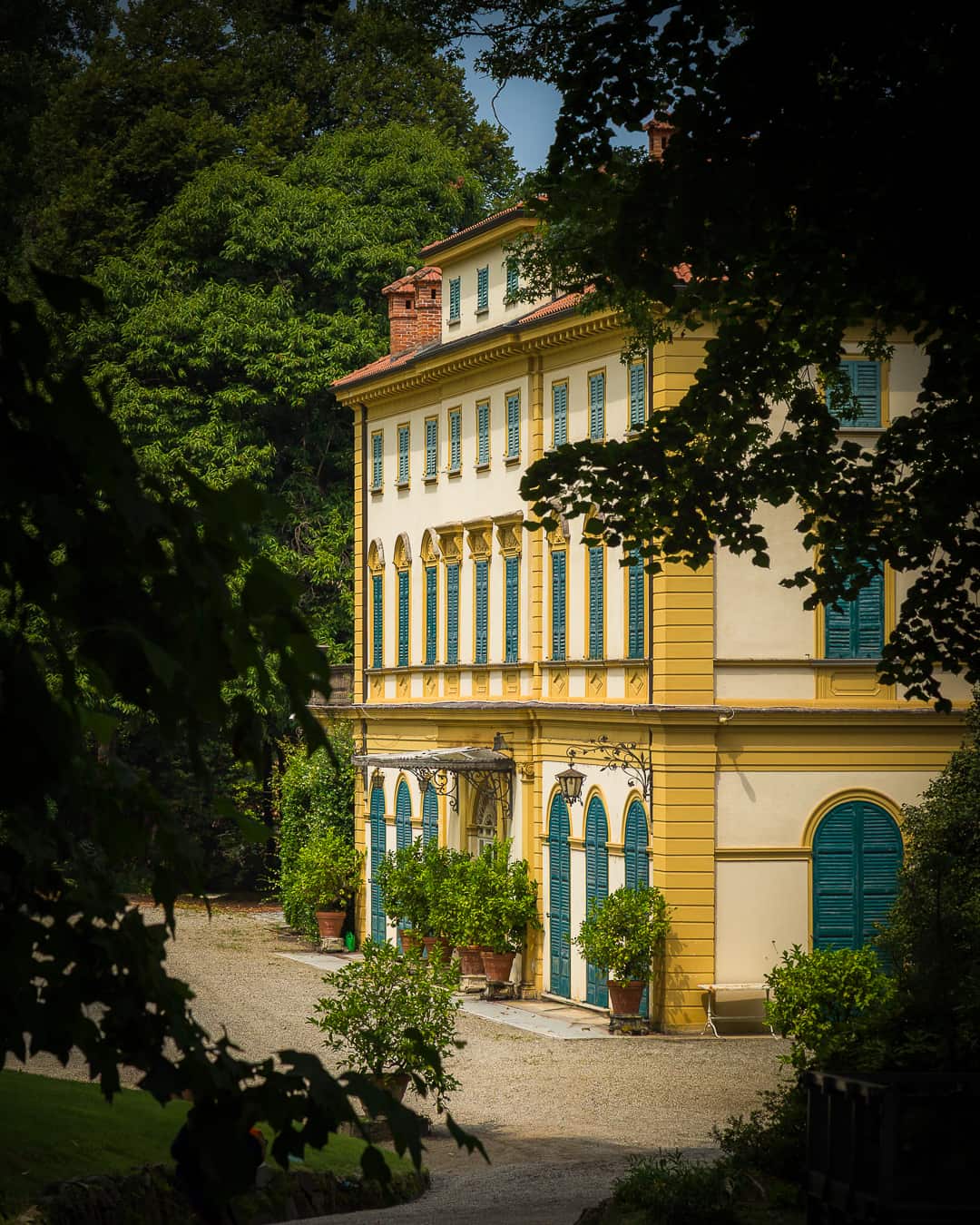
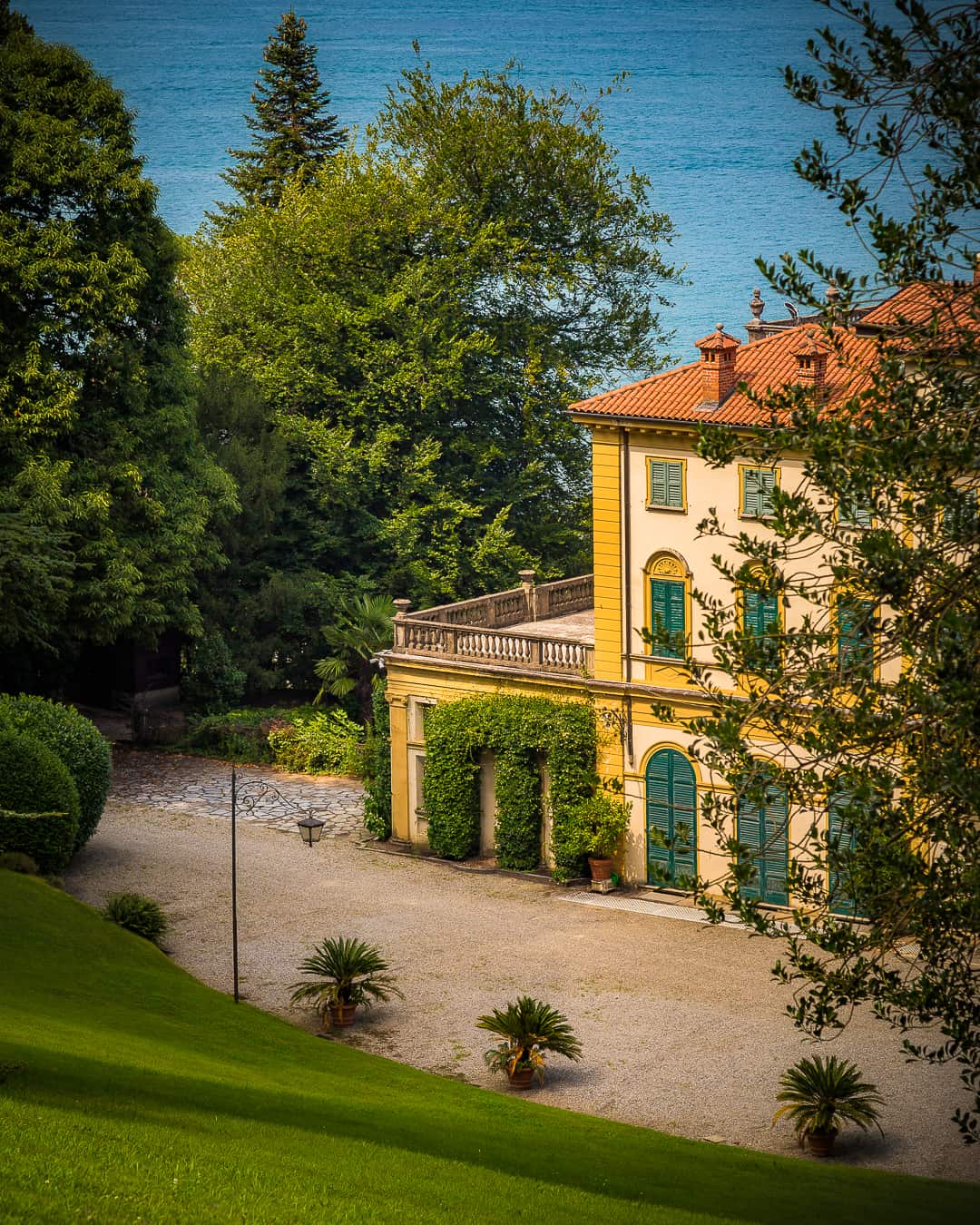
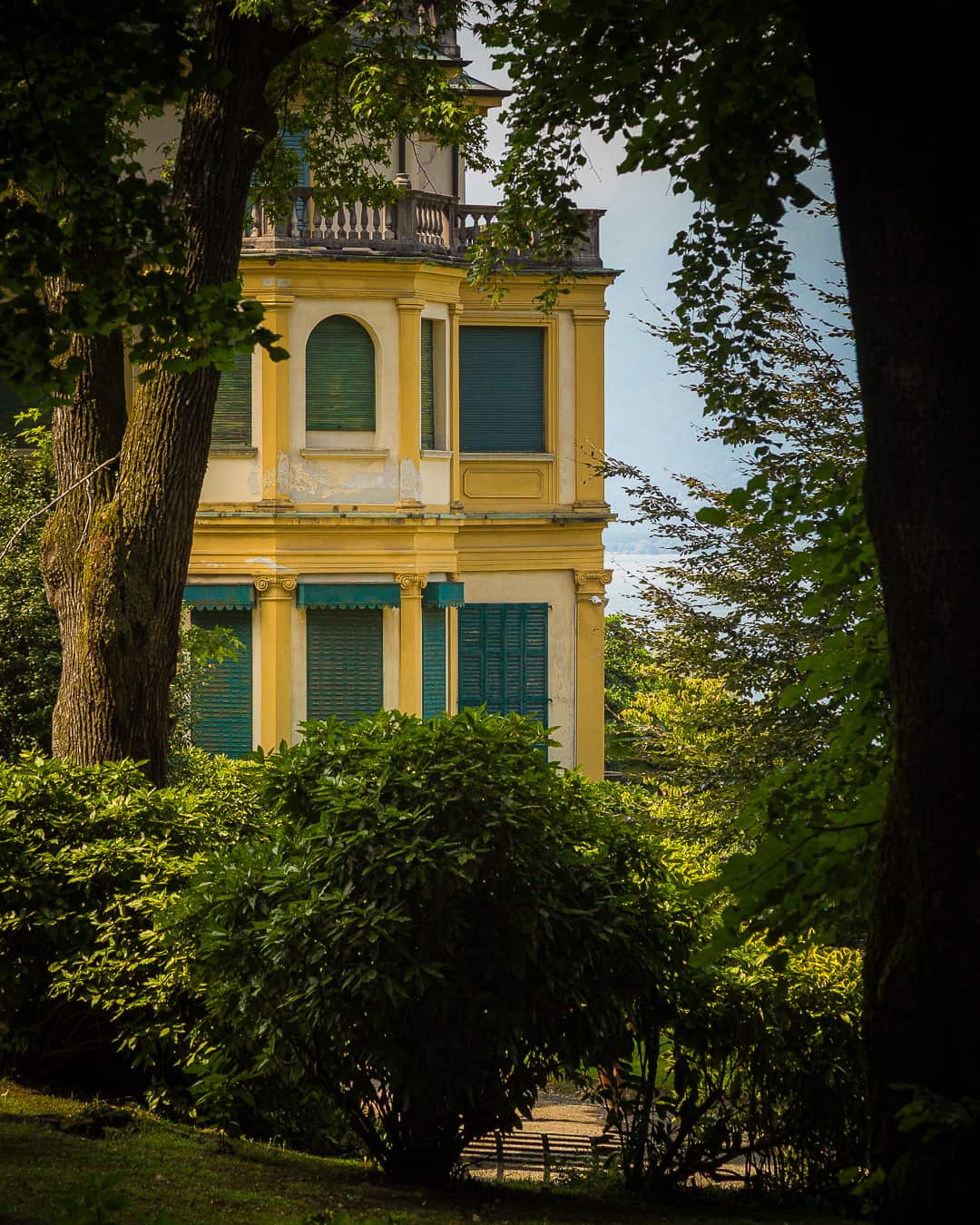
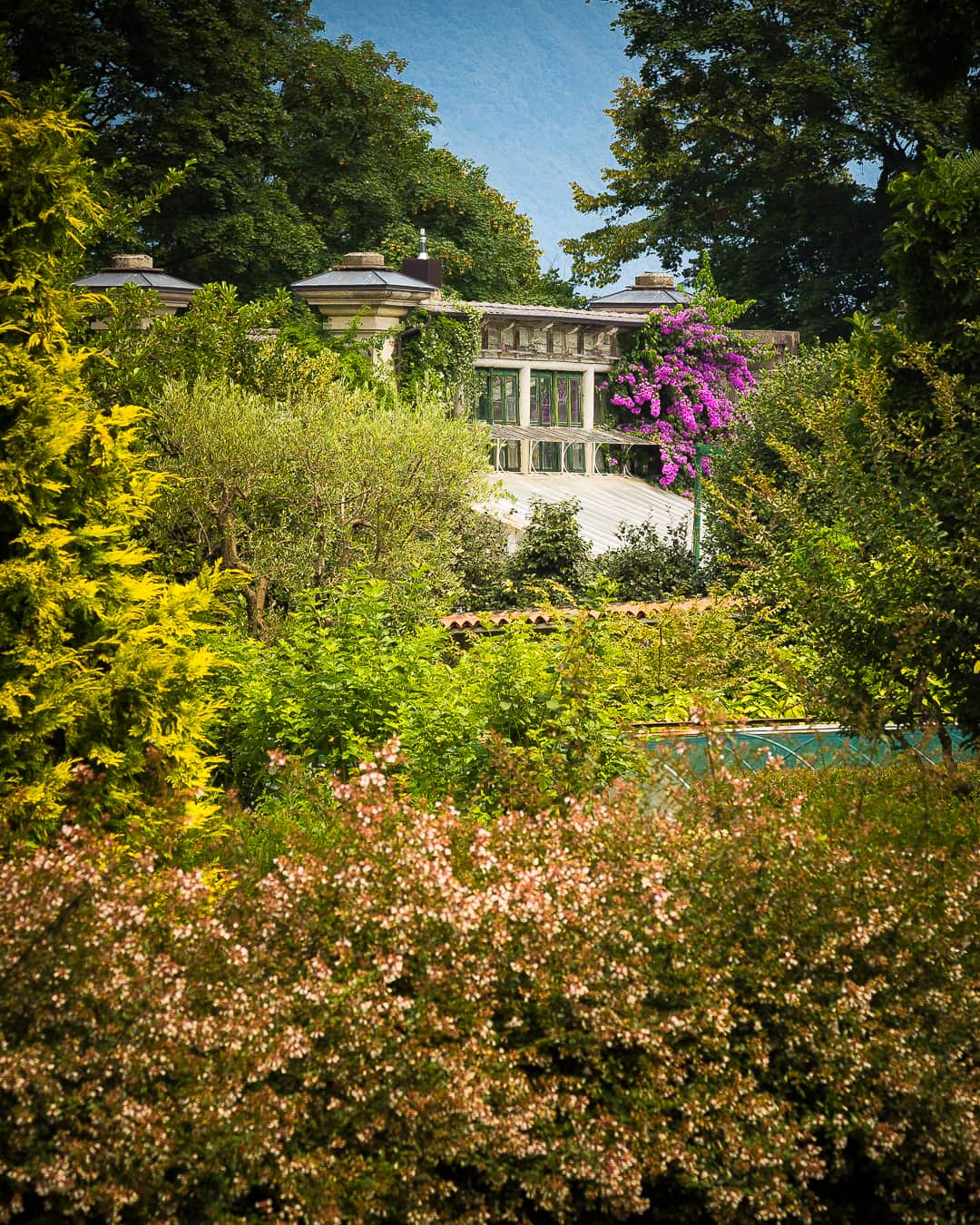
The yellow villa with green shutters can be seen from afar among the trees. It is not open to visitors: the park is what welcomes the public.
From 1861 the Pallavicino marquises, a noble Genoese family, enriched the park to a design by Giuseppe Roda, who also redesigned the Italian garden in 1876.
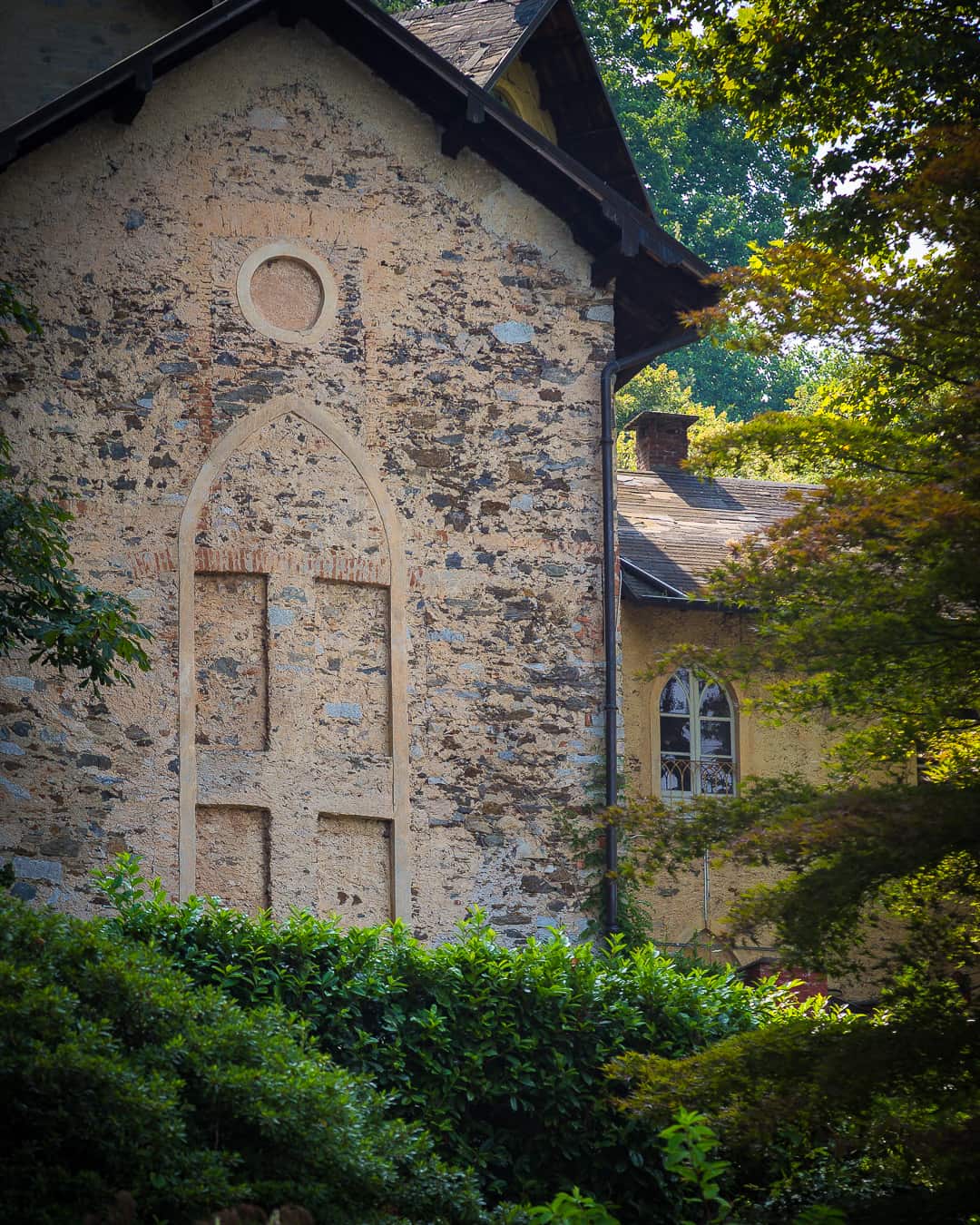
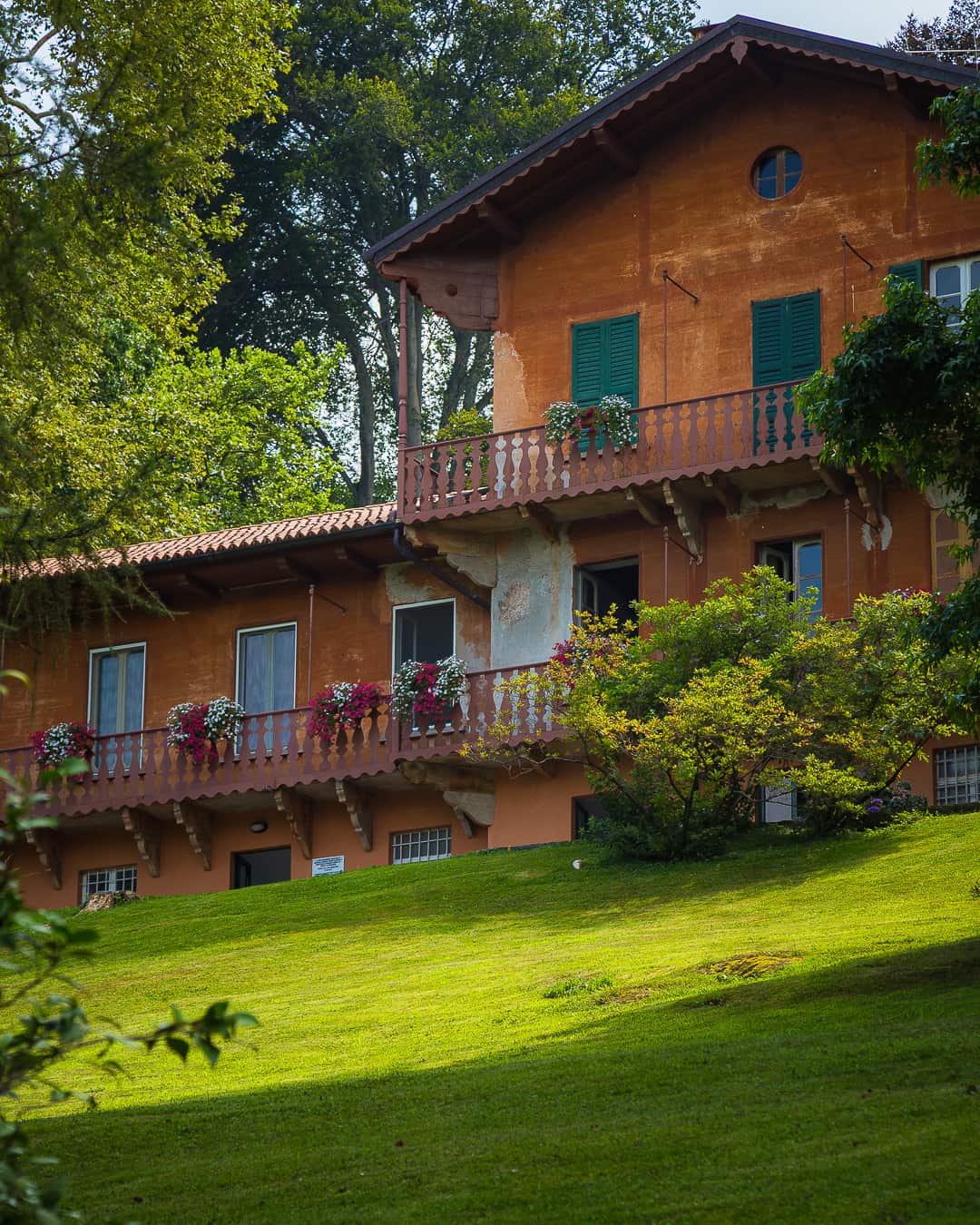
Around it stand other buildings: a house with wooden balconies, a stone building with an arched door, a greenhouse covered in flowers.
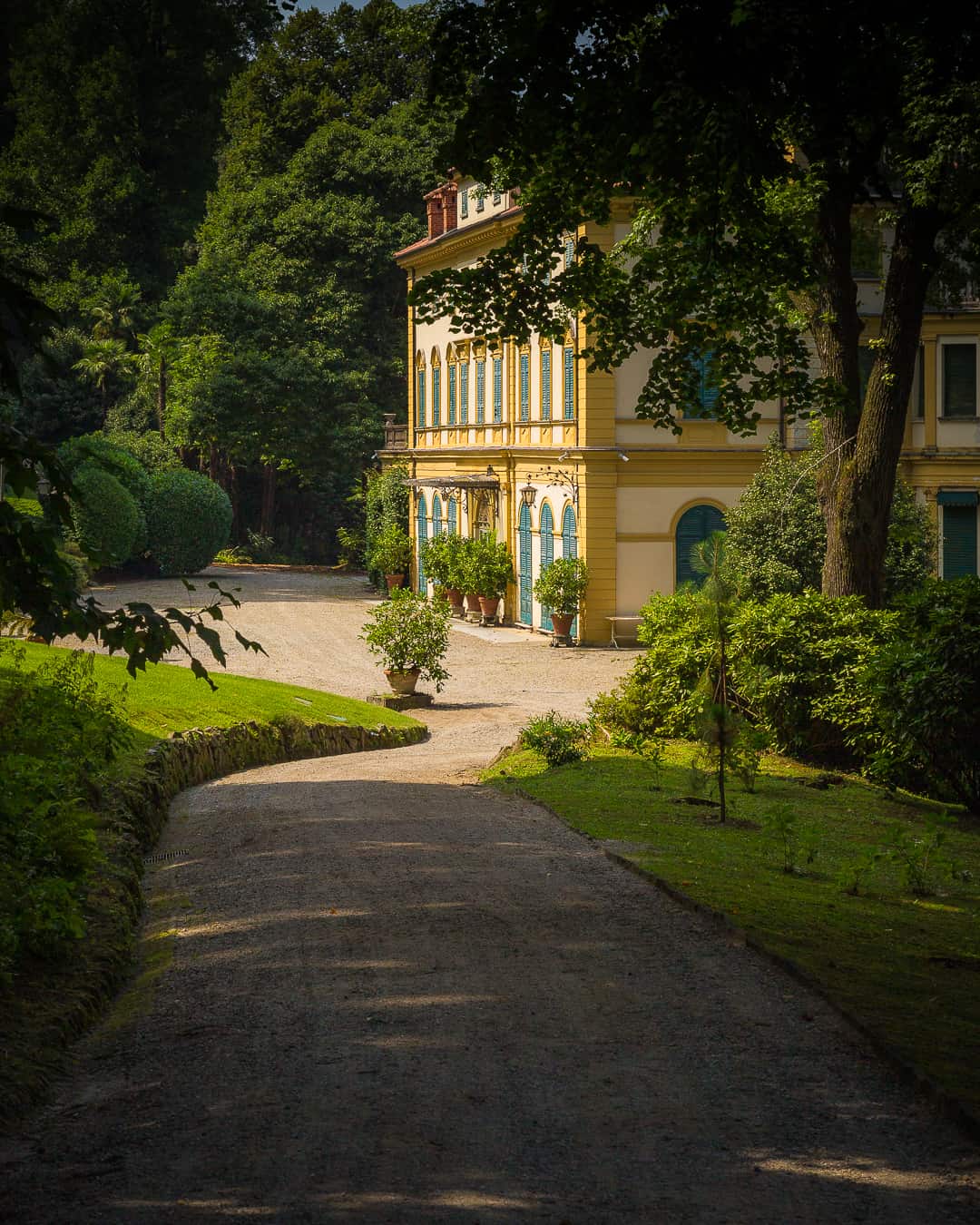
The villa drive
A curving drive, hedges, urns, and the yellow villa at the end. It began as a holiday home for Ruggero Bonghi, who had fallen in love with Lake Maggiore. From the park the eye reaches the Borromean Gulf, a short way from the islands.
The house with balconies
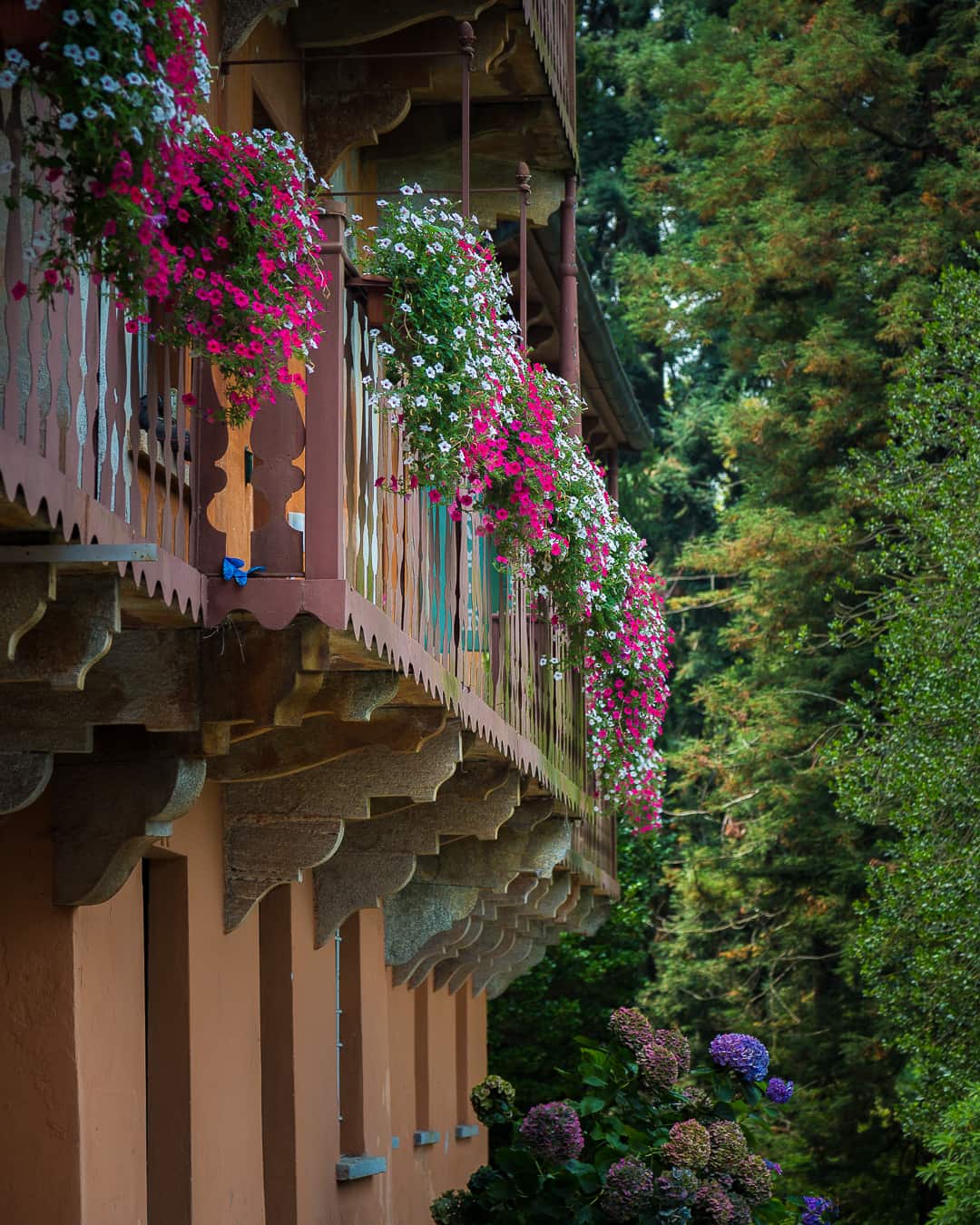
A brick-coloured building with wooden balconies, flowers on the sills, an almost Alpine air. The Pallavicino family, who arrived in 1861, enriched the park to a design by Giuseppe Roda: avenues, glimpses and buildings to discover one after another as you walk.
II
The garden
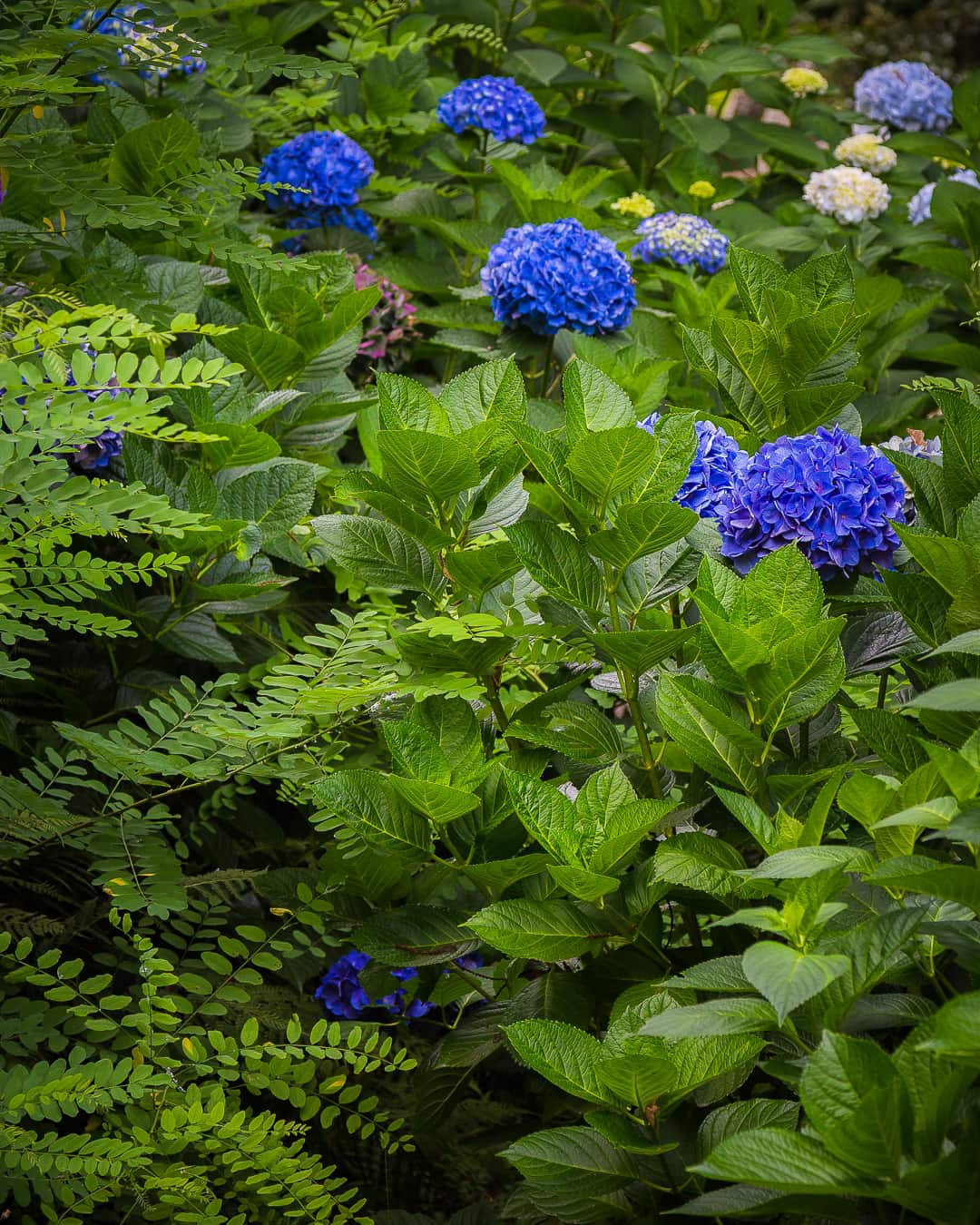
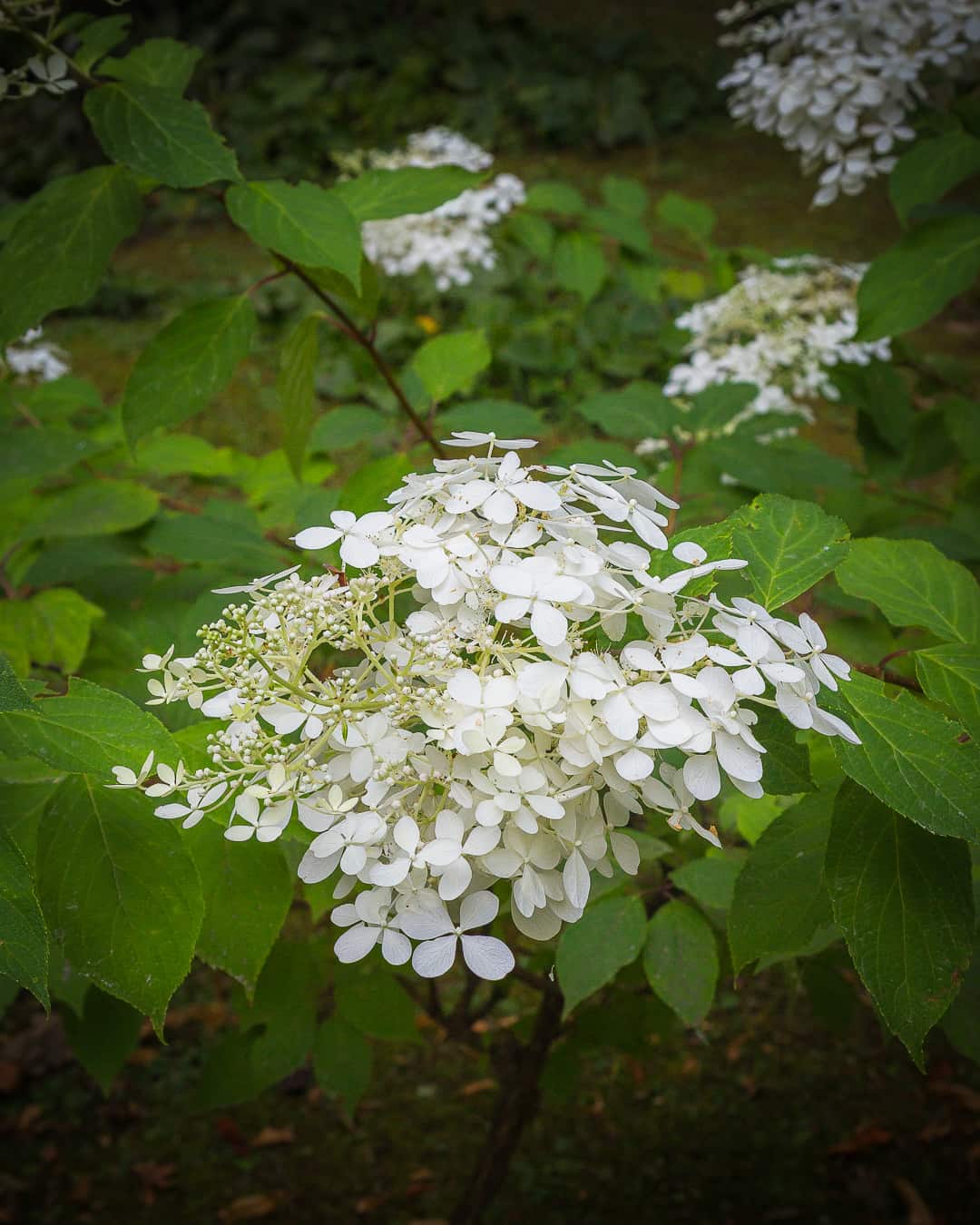
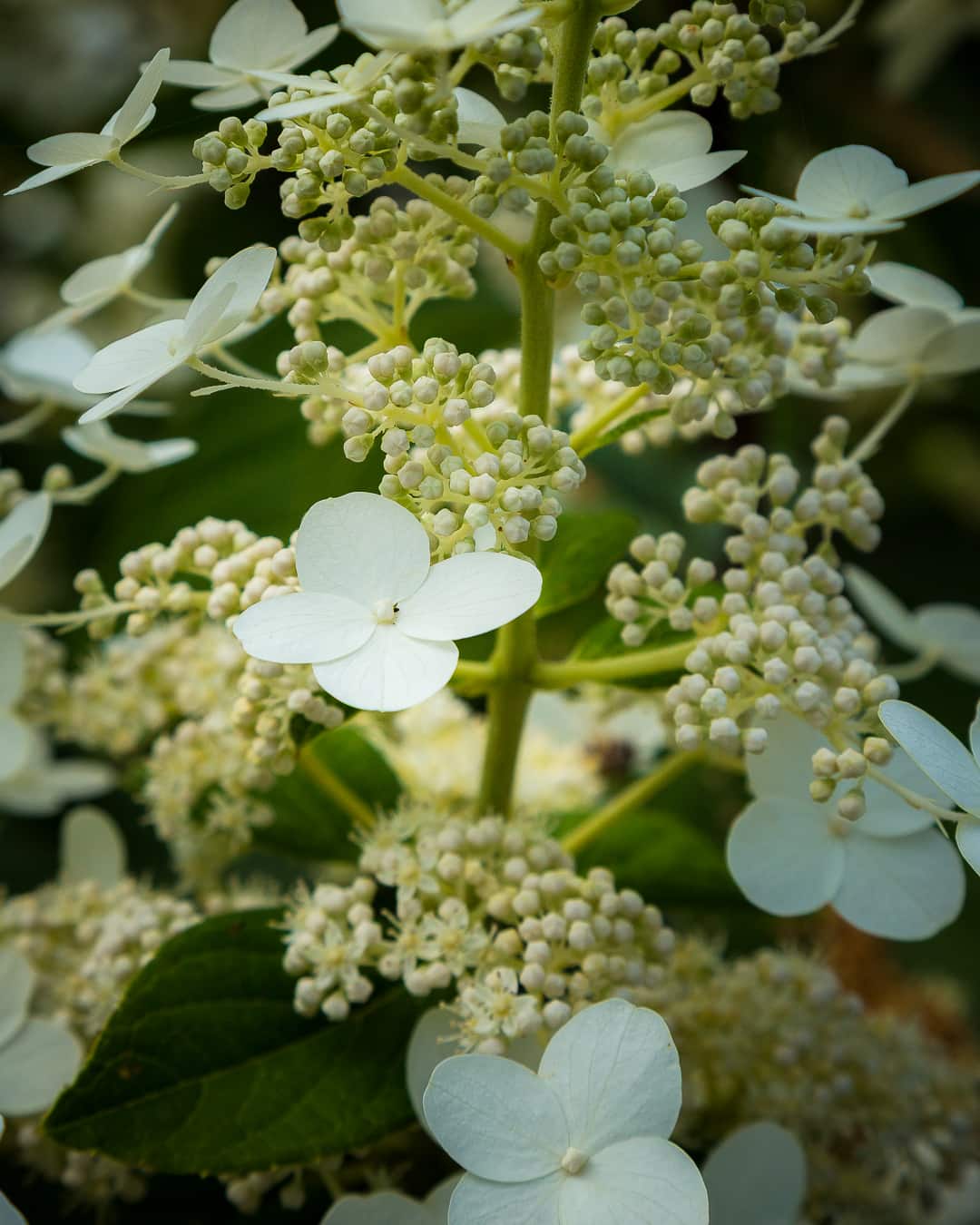
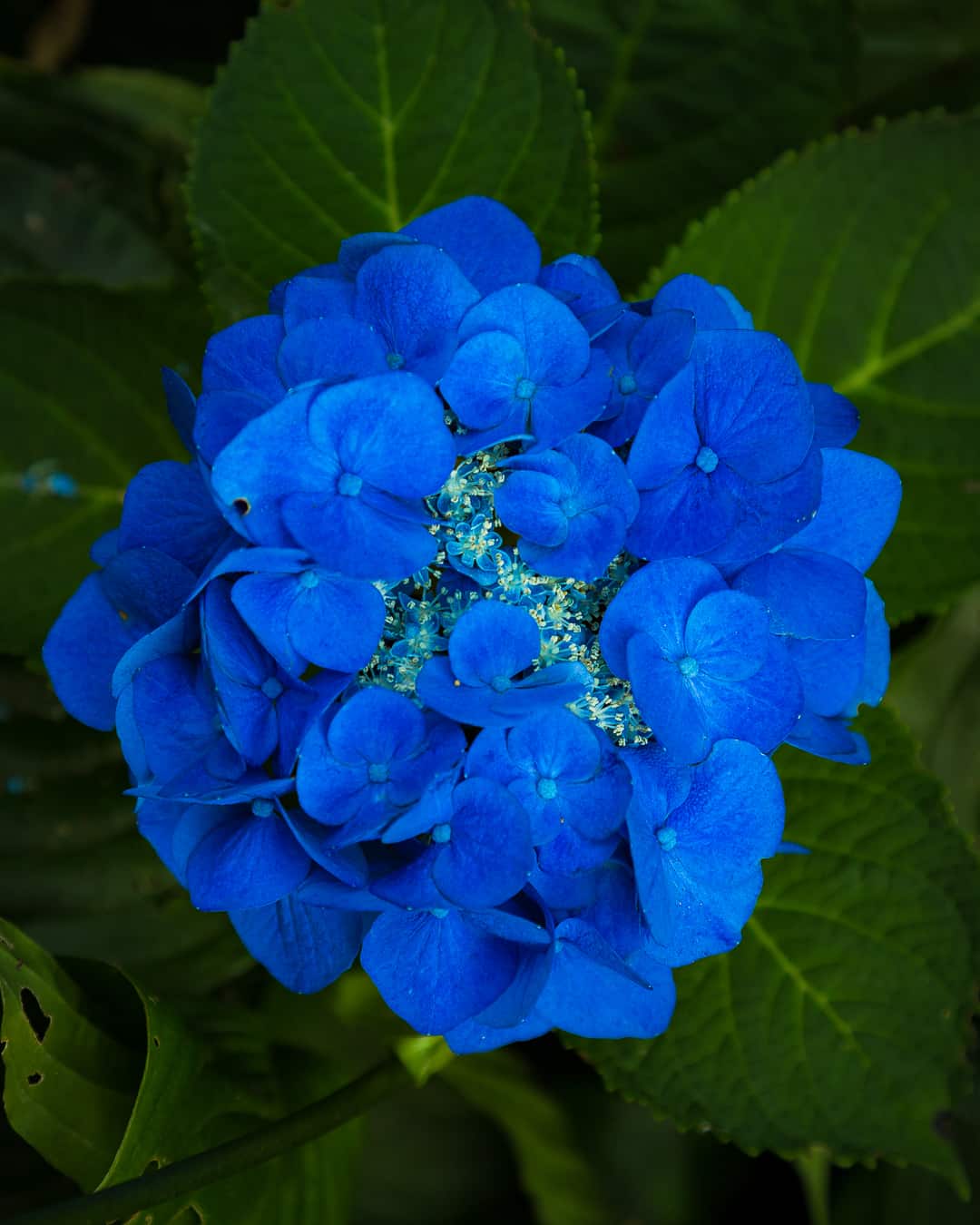
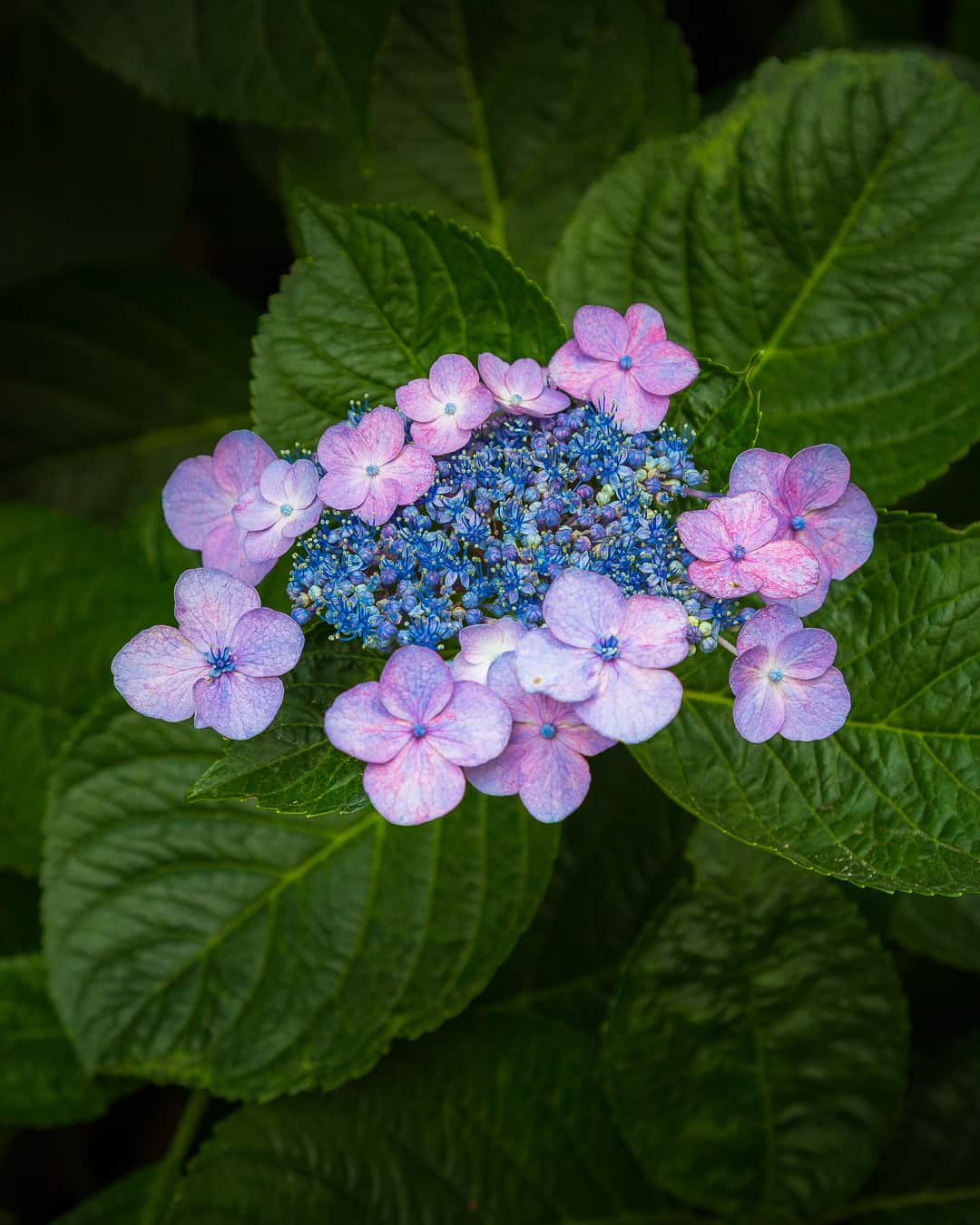
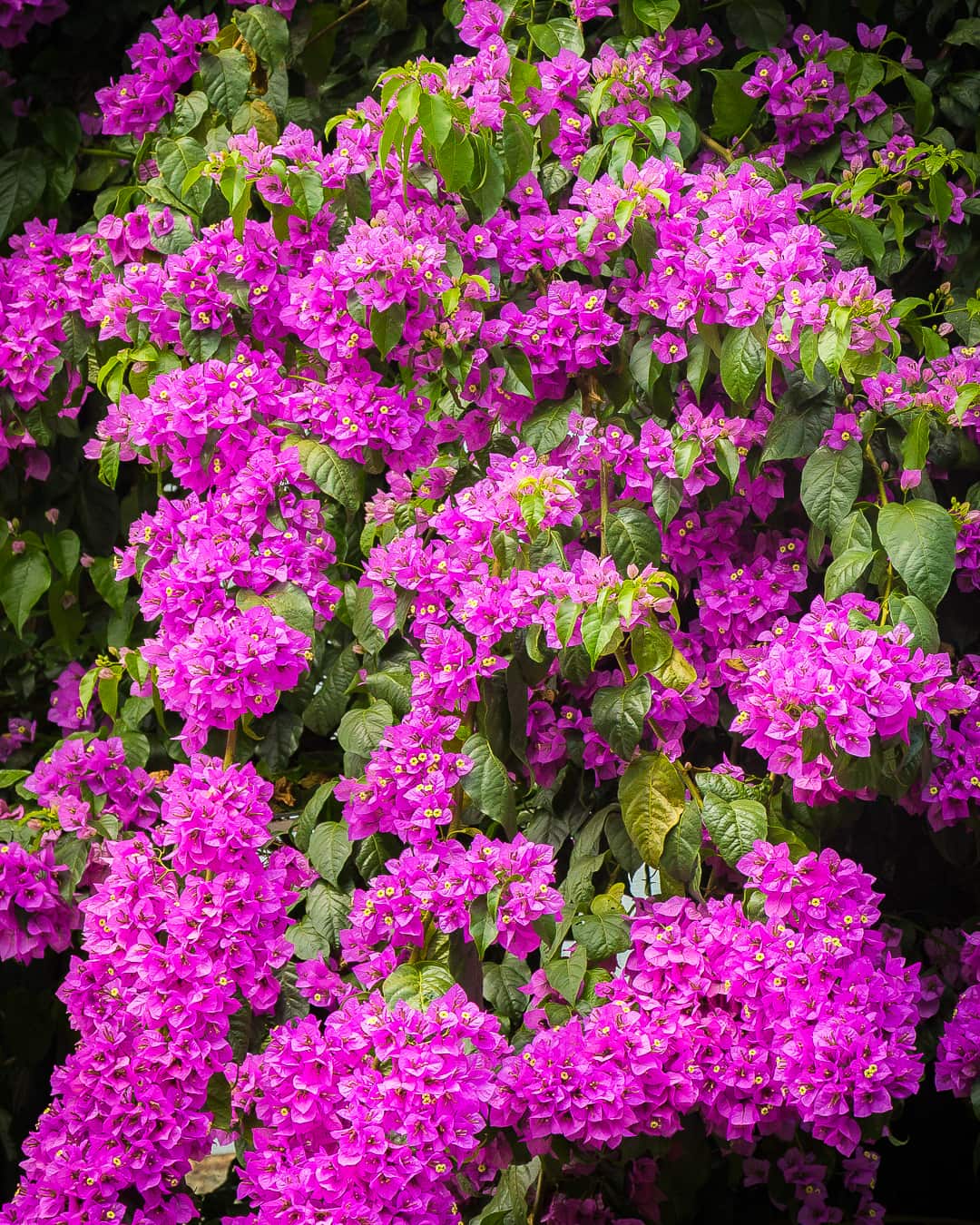
The Piedmont shore of the lake is a land of plants that love acid soil, and you can see it here: blue, white and pink hydrangeas in enormous bushes.
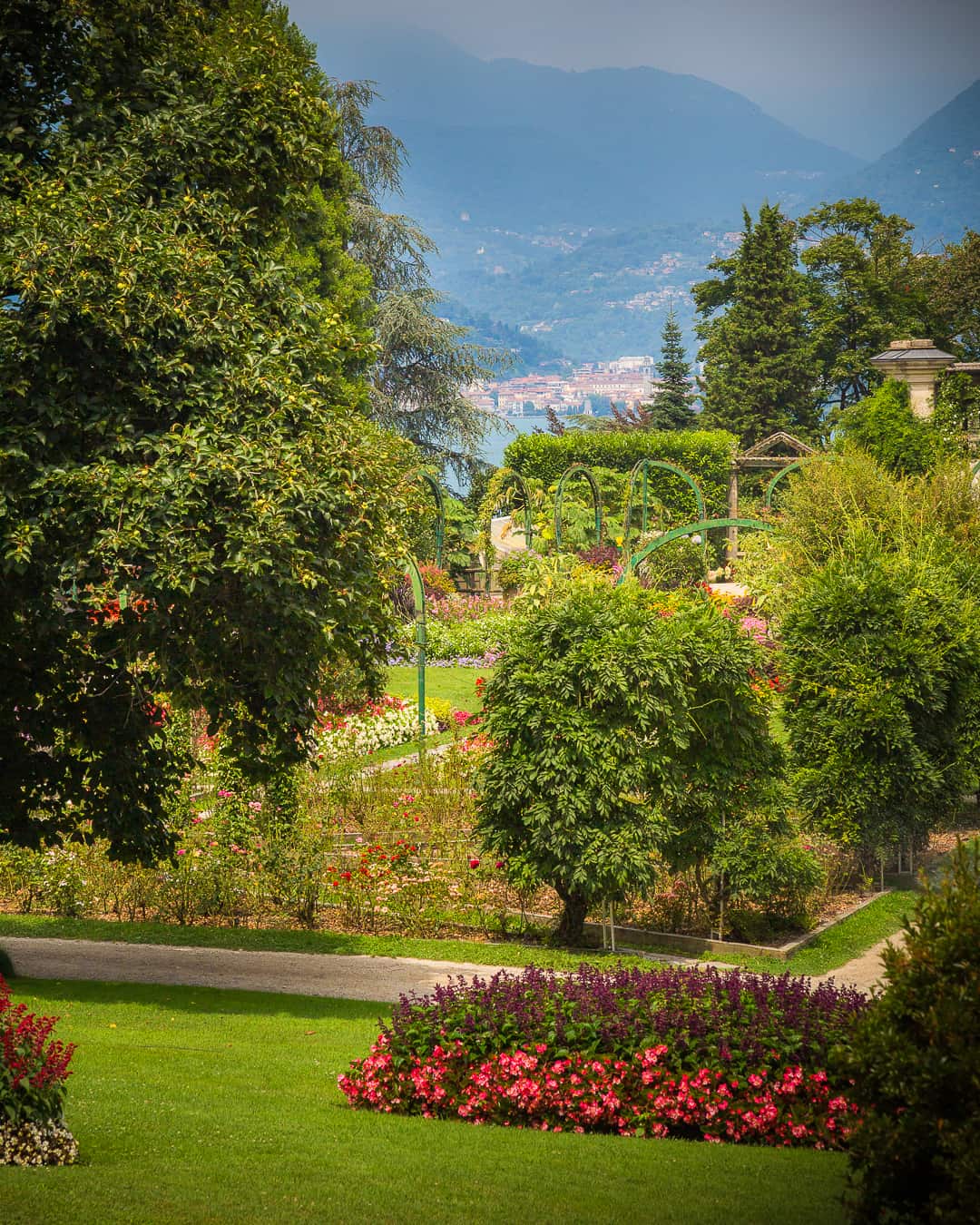
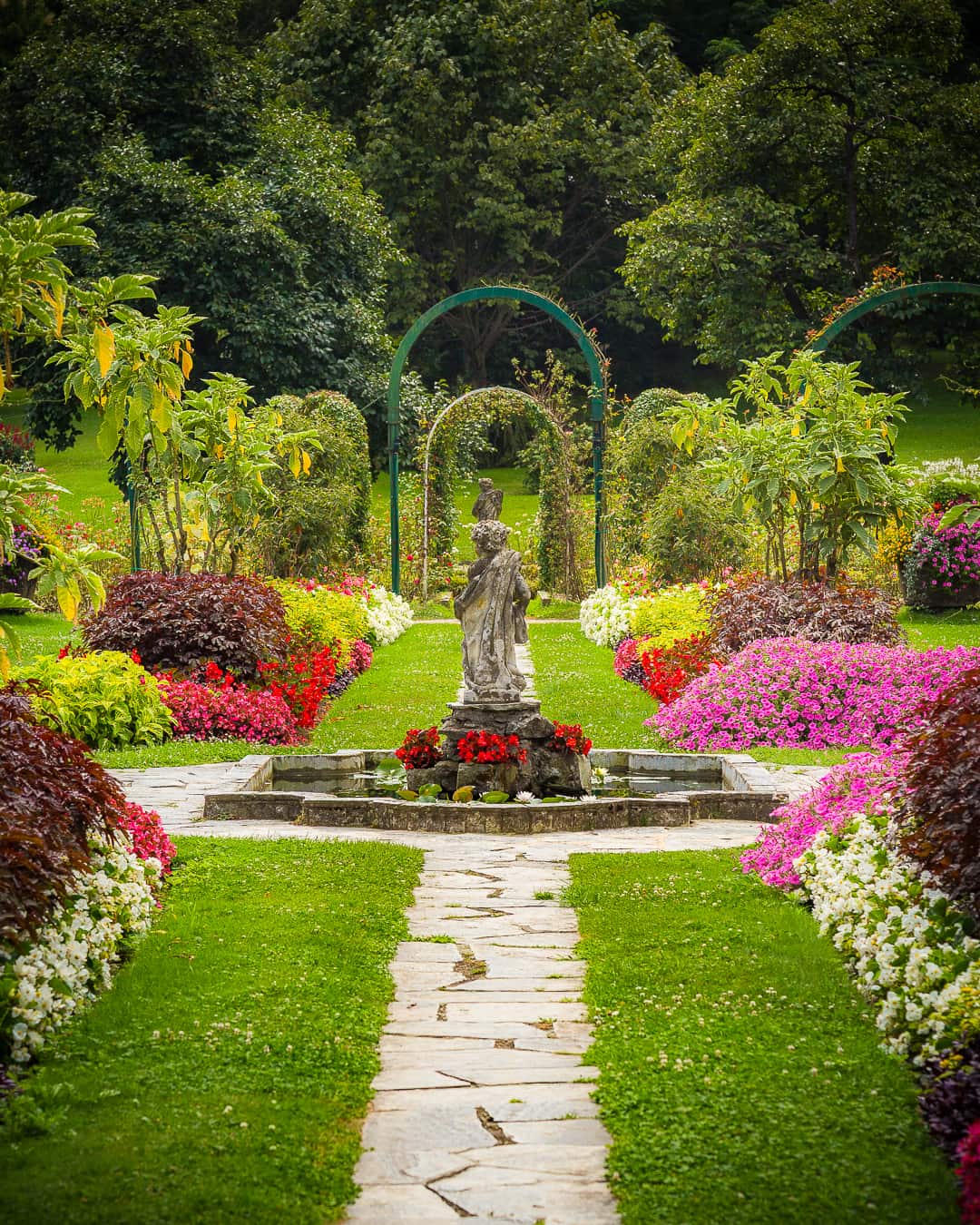
The flower garden, with its fountain and green arches, is the most carefully tended corner of the park: the gardeners renew it season after season.
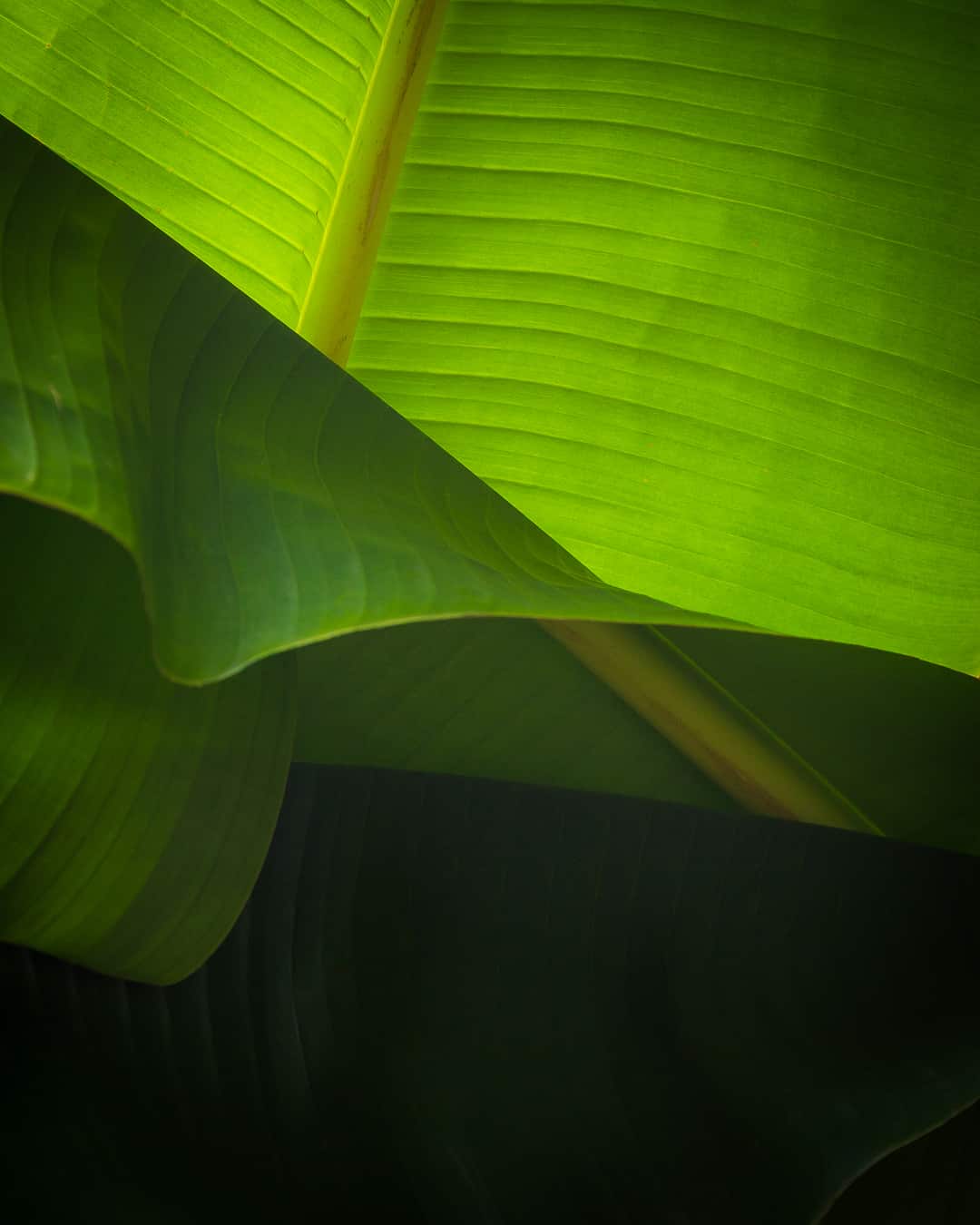
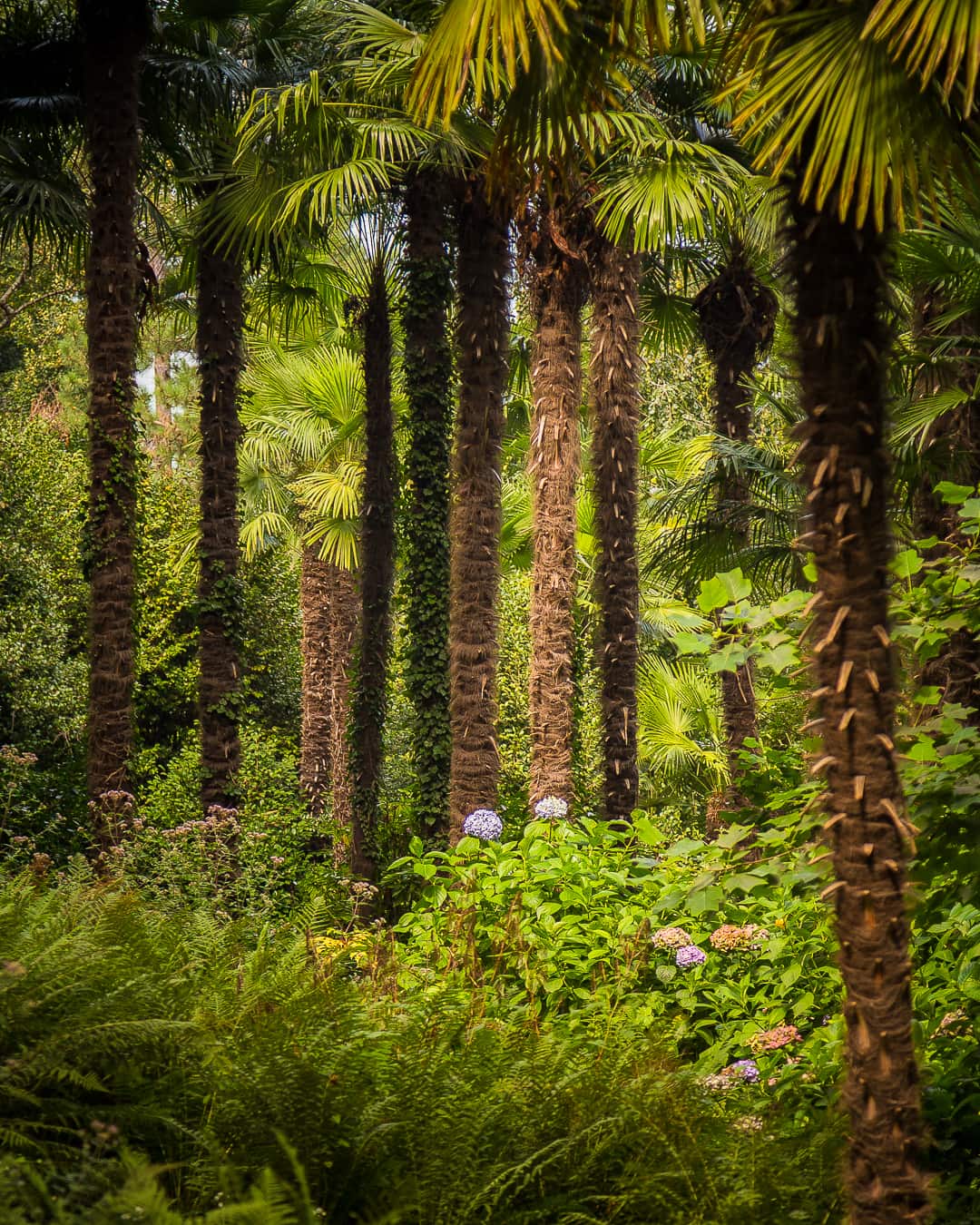
Next to it grow palms and banana leaves. The lake’s mild climate lets plants thrive that would not survive on the plain.
Blue hydrangeas
Blue hydrangeas among the ferns. A hydrangea’s colour depends on the soil: the more acid it is, the bluer the flowers. The soil on the Piedmont shore of the lake is just that, and in summer, once the spring blooms are over, hydrangeas rule the park.
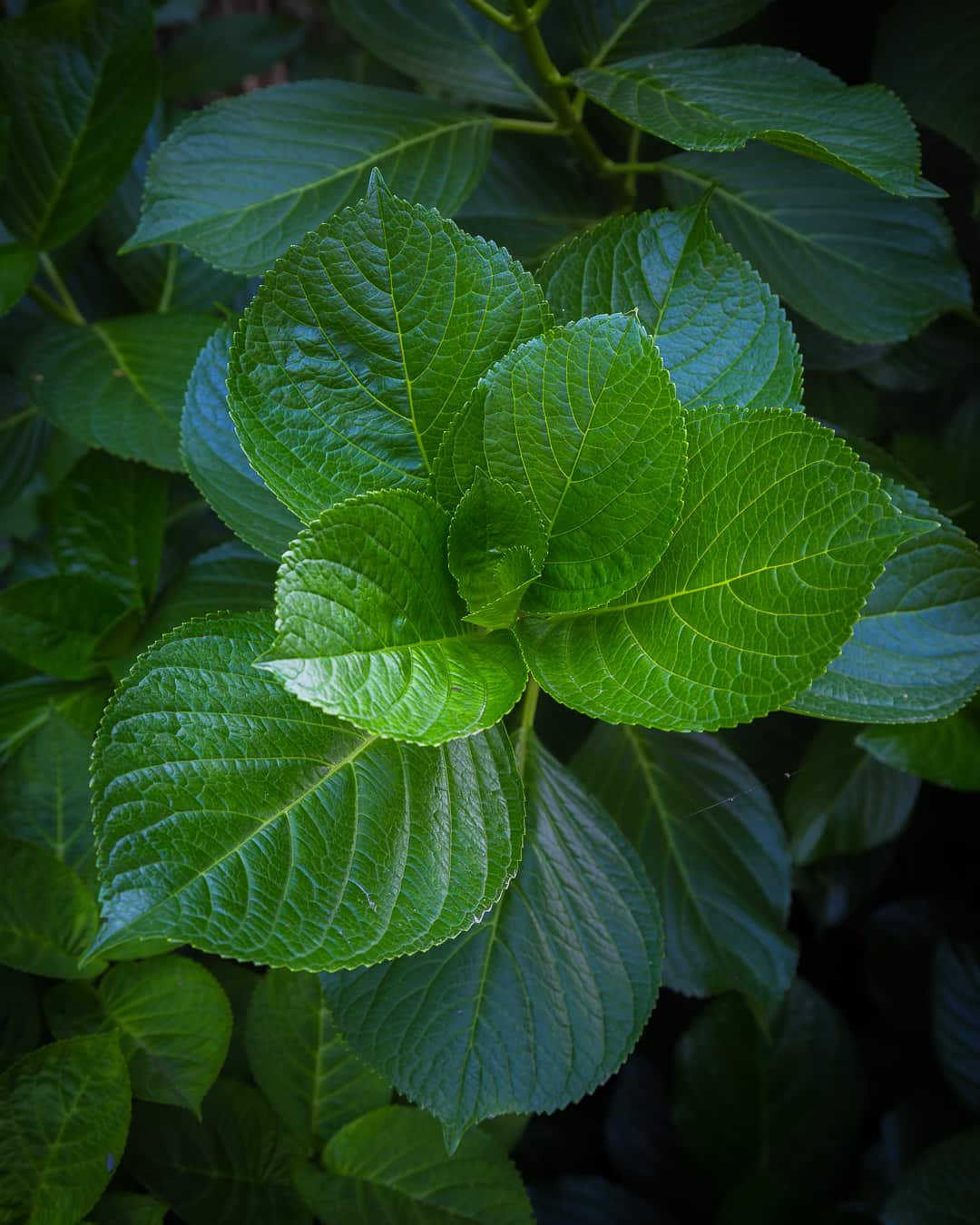
The banana leaf
A banana leaf, with the light passing through and drawing its veins. The lake’s mild climate allows plants you would not expect this far north: palms, bananas, citrus. This is Lake Maggiore’s little south, a few kilometres from the Alps.
III
Woods and animals
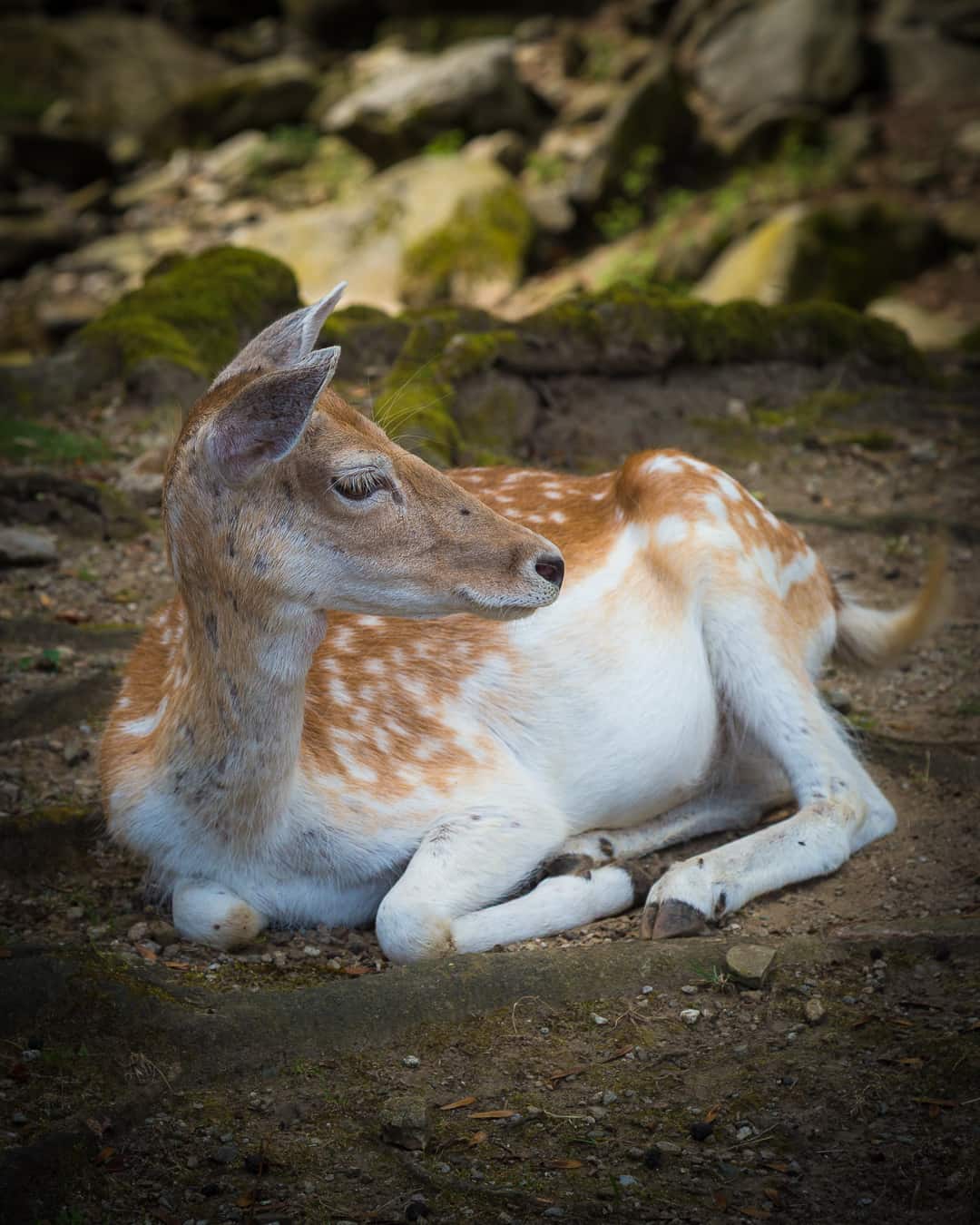
In the 1950s the park became a zoological garden. Today it is home to more than 50 species of mammals and birds, above all animals that could no longer live in the wild: born in captivity, or marked by accidents or abandonment.
The park also takes part in the recovery of wildlife, with releases back into nature.
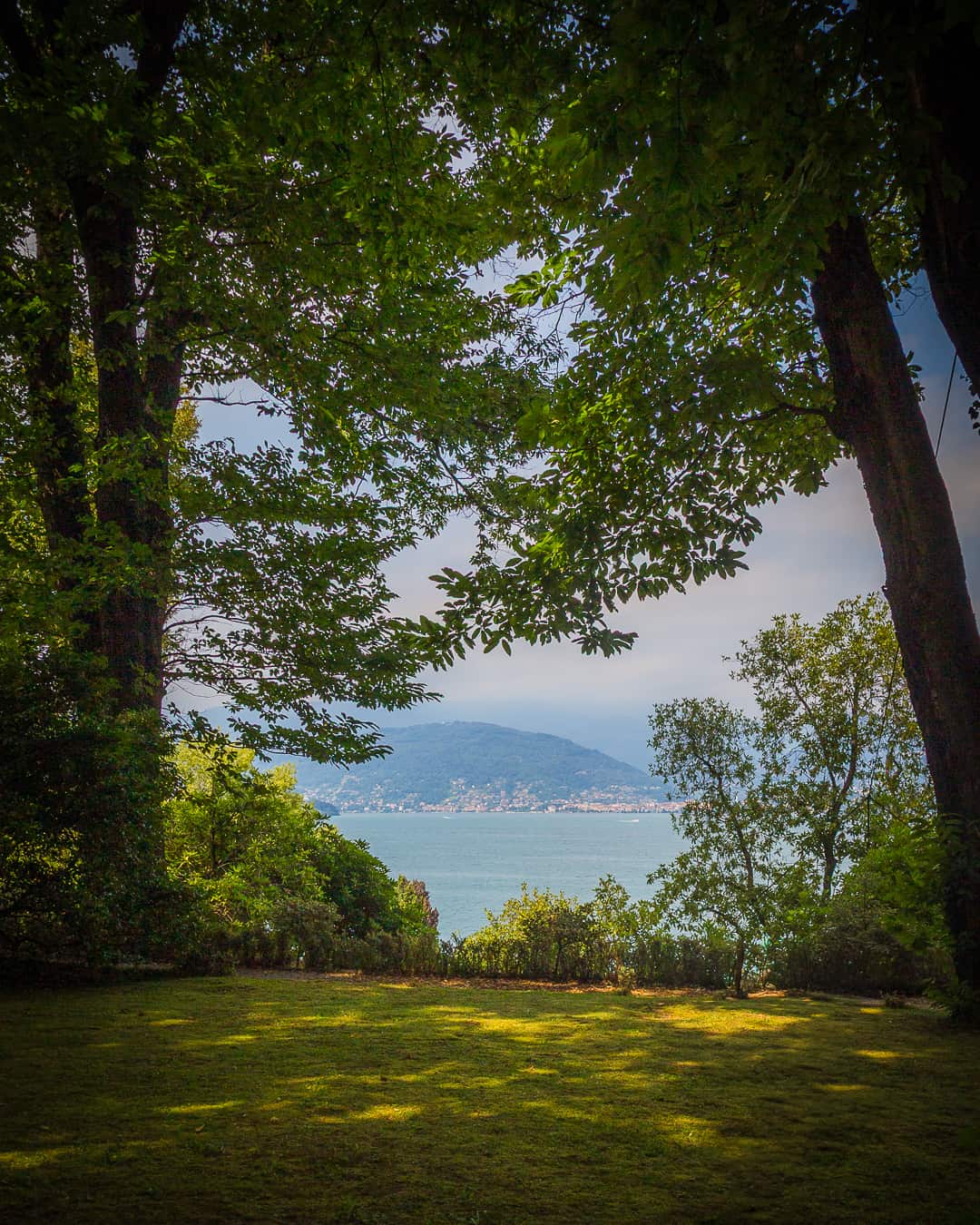
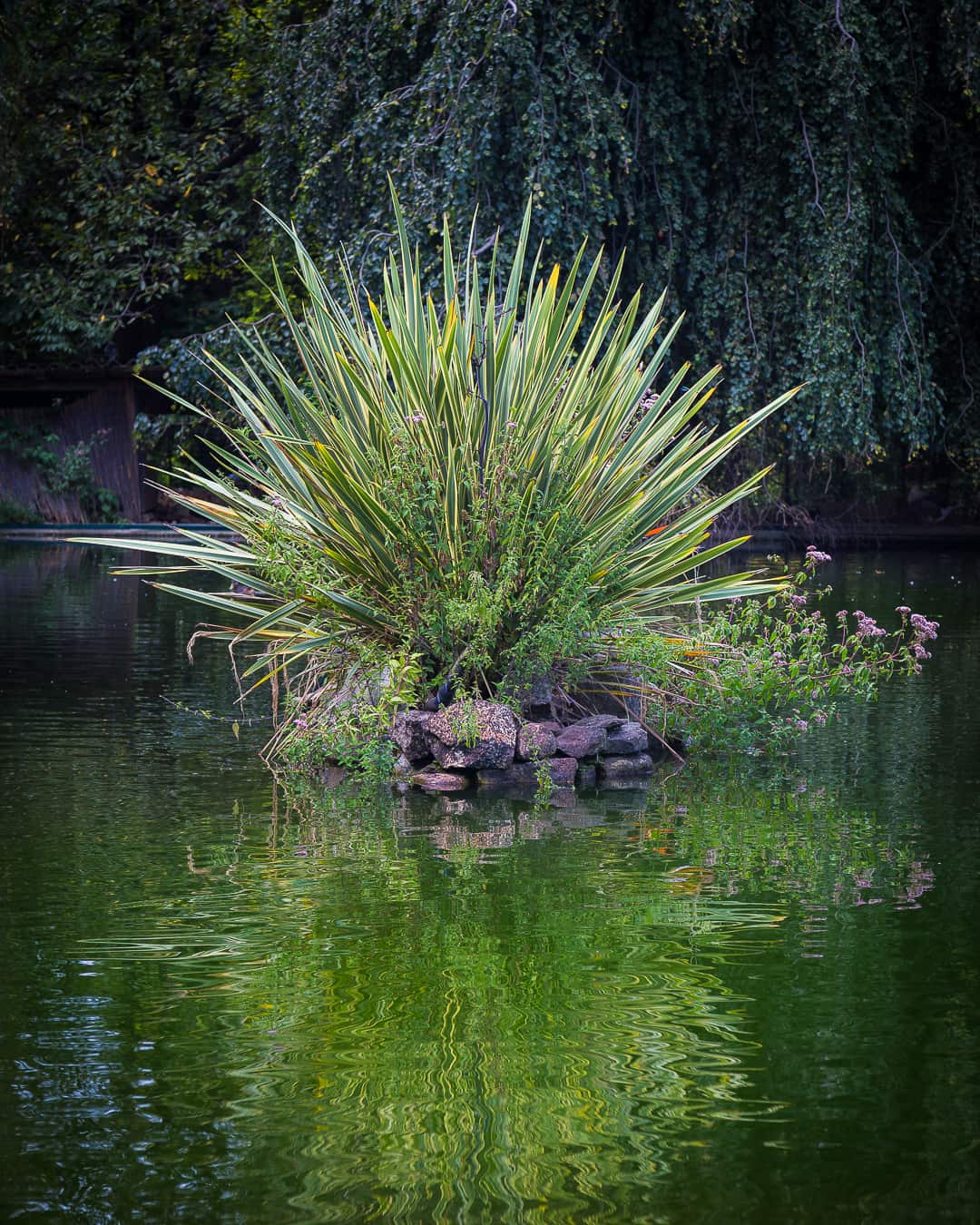
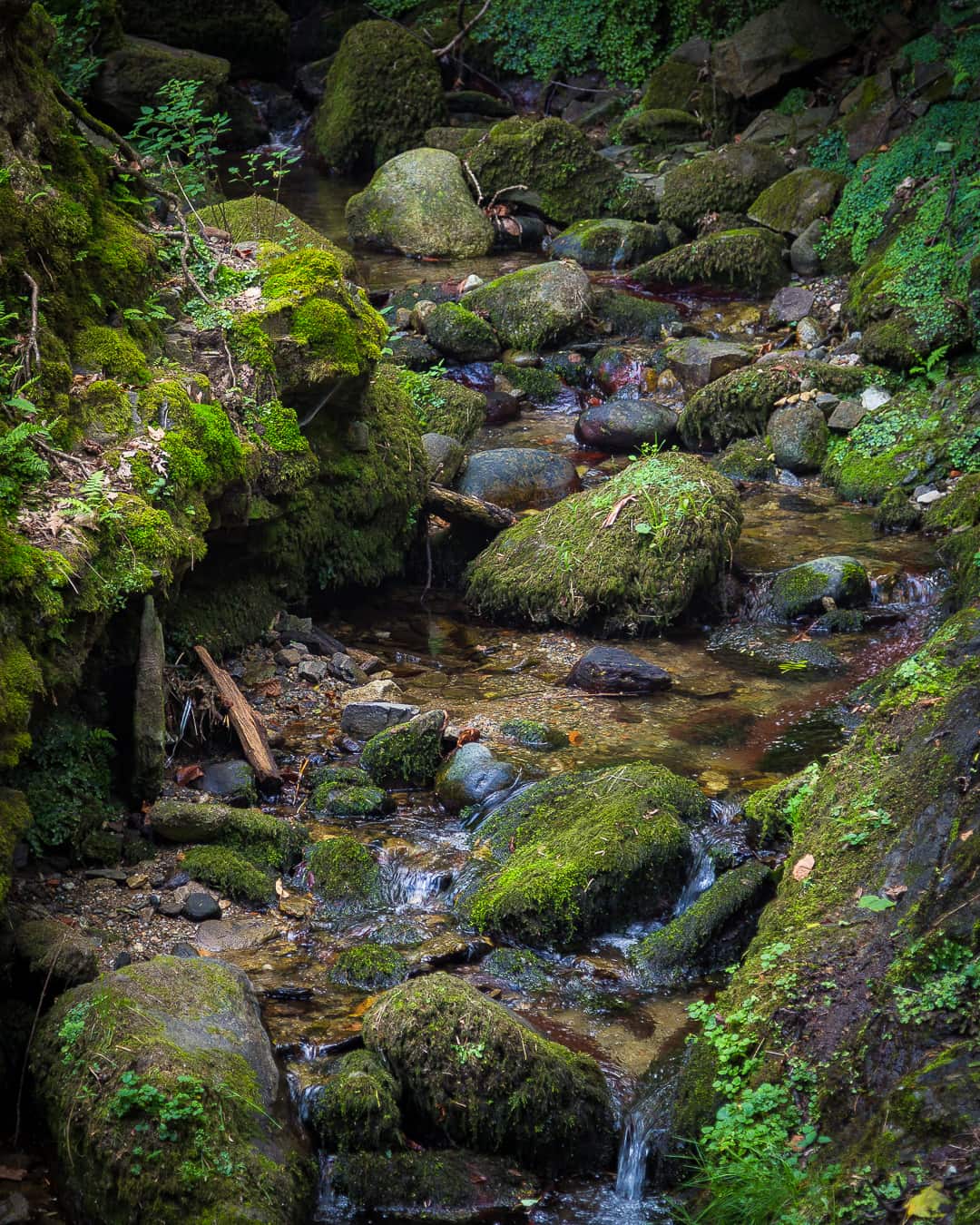
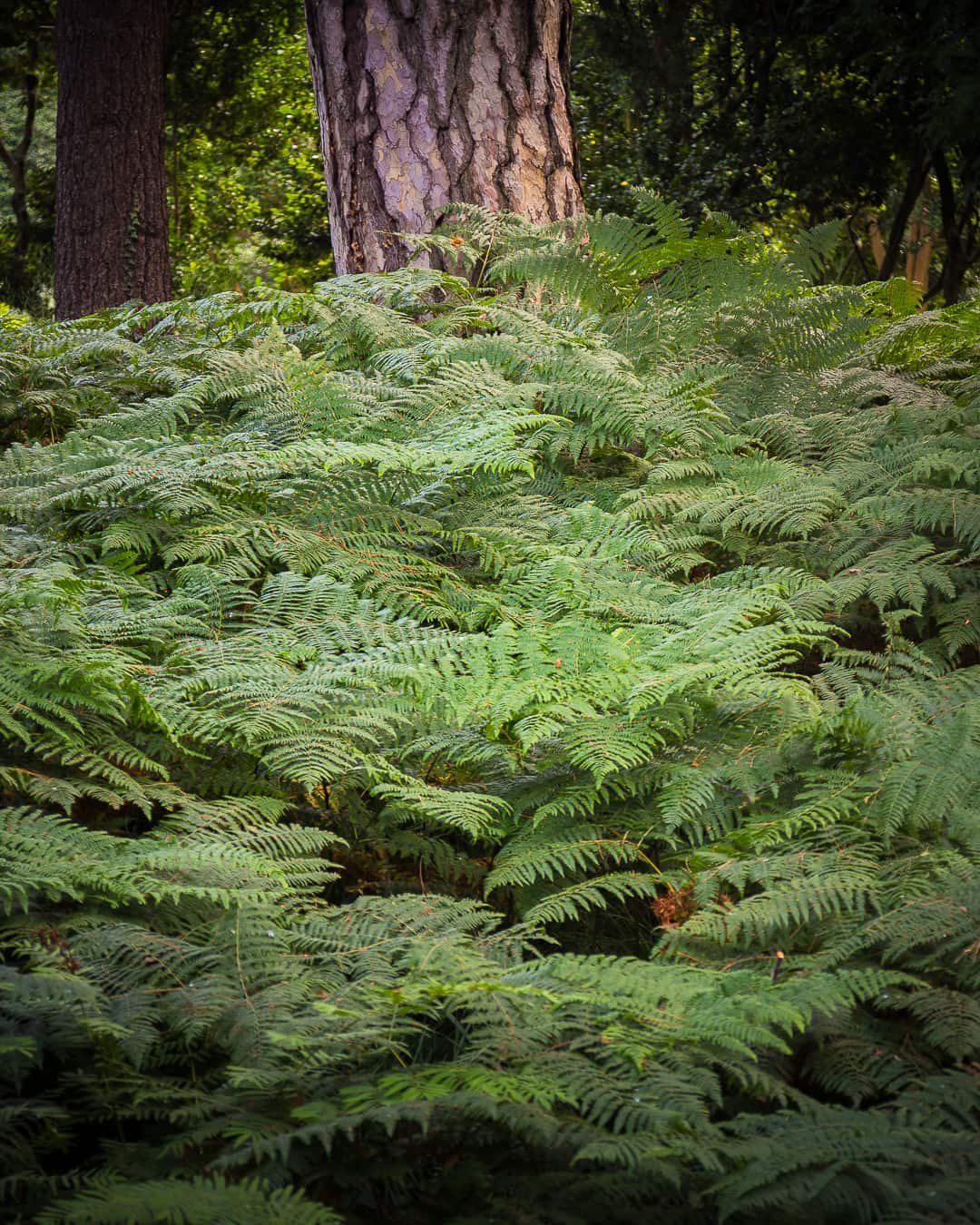
Between one encounter and the next, there are woodland paths, ferns, a stream, and suddenly the lake between the trunks.
The white peacock
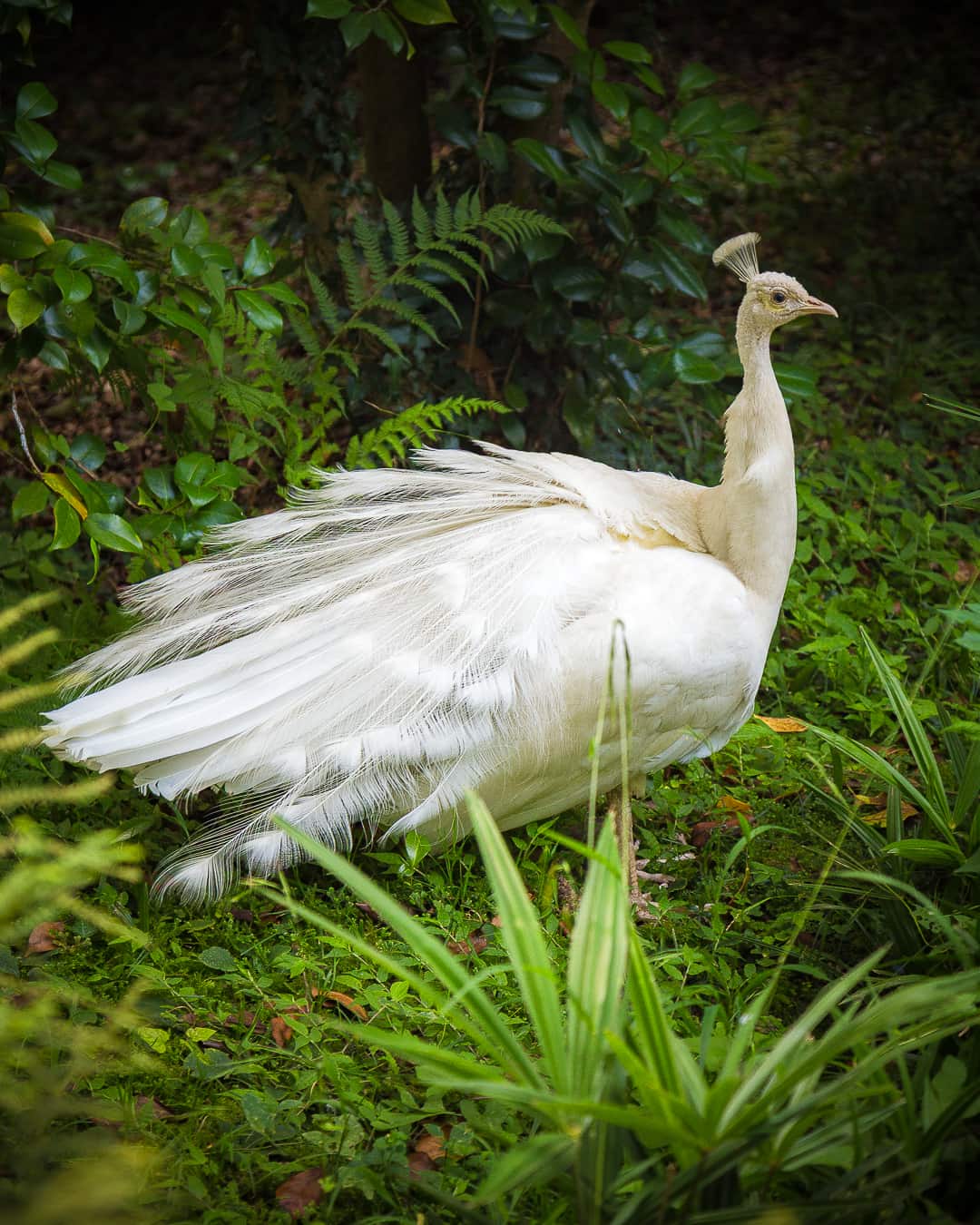
A white peacock among the leaves, its tail folded like a train. More than 50 species of mammals and birds live in the park. Many are animals that could not return to the wild, born in captivity or marked by accidents and abandonment: here they find a place to stay.
The stream
Water running down between mossy stones, ferns, cool shade even in high summer. When Ruggero Bonghi bought this land, the area was called Sabbion grossa, after the little stream that crosses it. Here, water gave everything its name.
Getting there
- Where
- Via Sempione Sud 8, Stresa, on the lakefront towards Belgirate.
- By train
- The nearest station is Stresa.
- When
- The park follows the Terre Borromeo season, from mid-March to early November. Check opening times on the Terre Borromeo website.
- In the park
- Playground, bar and refreshment point.
- Our advice
- Come between June and July, when the hydrangeas are in bloom, and look for the view of the lake between the big trees.
Information checked on 21 November 2026.
Sources
- Parco Pallavicino — Italia.it
- Villa Pallavicino, in armonia con la natura — Italia.it
- Parco Pallavicino, Stresa — Distretto Turistico dei Laghi
- Parco Pallavicino — Grandi Giardini Italiani
- Villa Pallavicino (Stresa) — Associazione Parchi e Giardini d’Italia
- Parco Pallavicino — MuseiOnline
- Park of Villa Pallavicino — illagomaggiore.com
- Lago Maggiore e Isole Borromee, la stagione 2026 — SiViaggia
- Stresa, cuore del Lago Maggiore — MilanoFree
- Camelie e acidofile sulla sponda piemontese — VerbanoNews
Note
Photographs by William, also published on Instagram as @guglielmo.foto.
Texts and layout: WIDE Edizioni, Rho. Historical and practical information is checked against the sources on the previous page.
© 2026 WIDE Edizioni
A book for your place
We photograph villas, museums, villages and landscapes in natural light, and turn them into images ready for your website, print and social media. Or into pages to leaf through, like these.