WIDE Edizioni
Gulf of Baratti
Populonia, Tuscany
Photographs by William
The Etruscan city by the sea
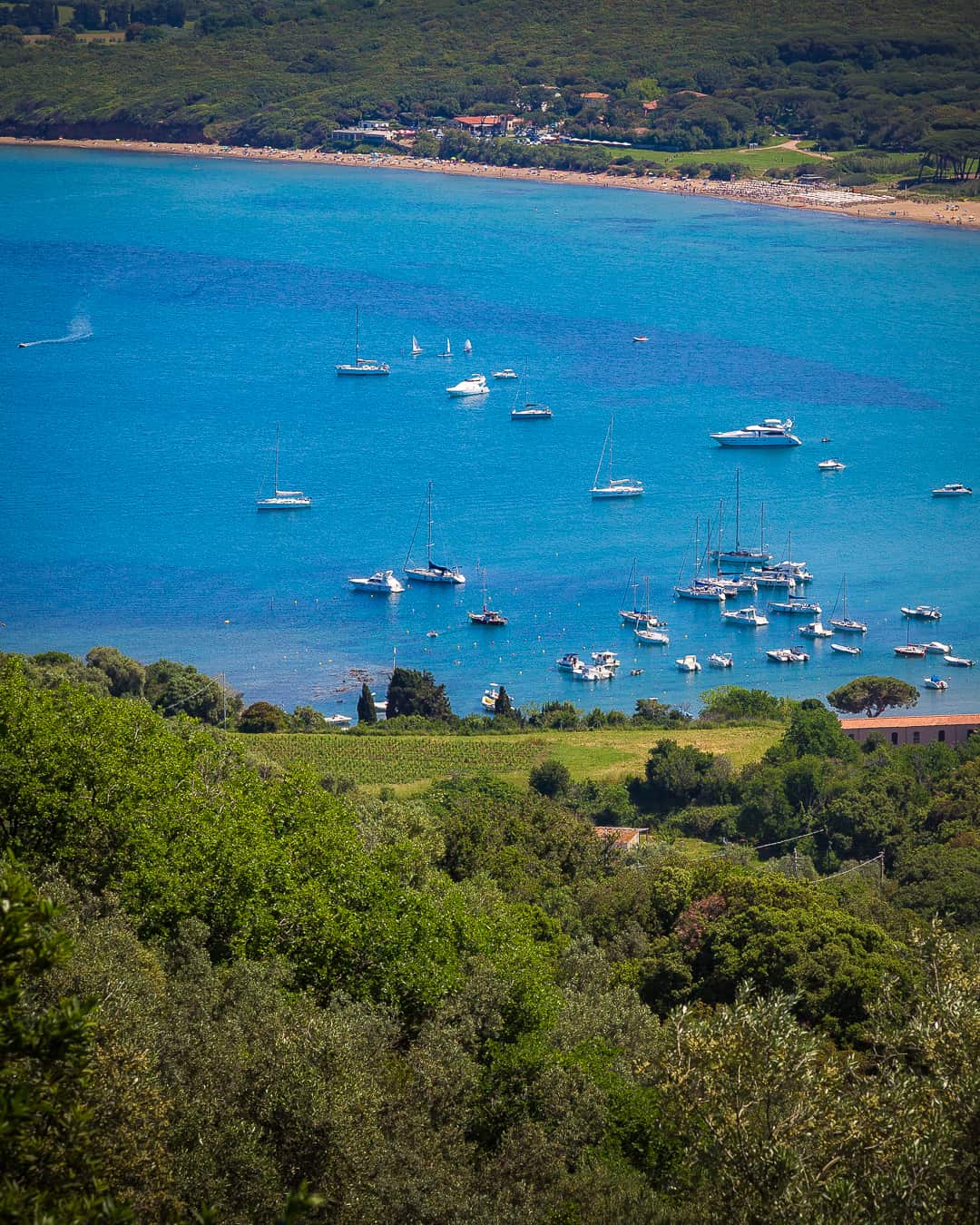
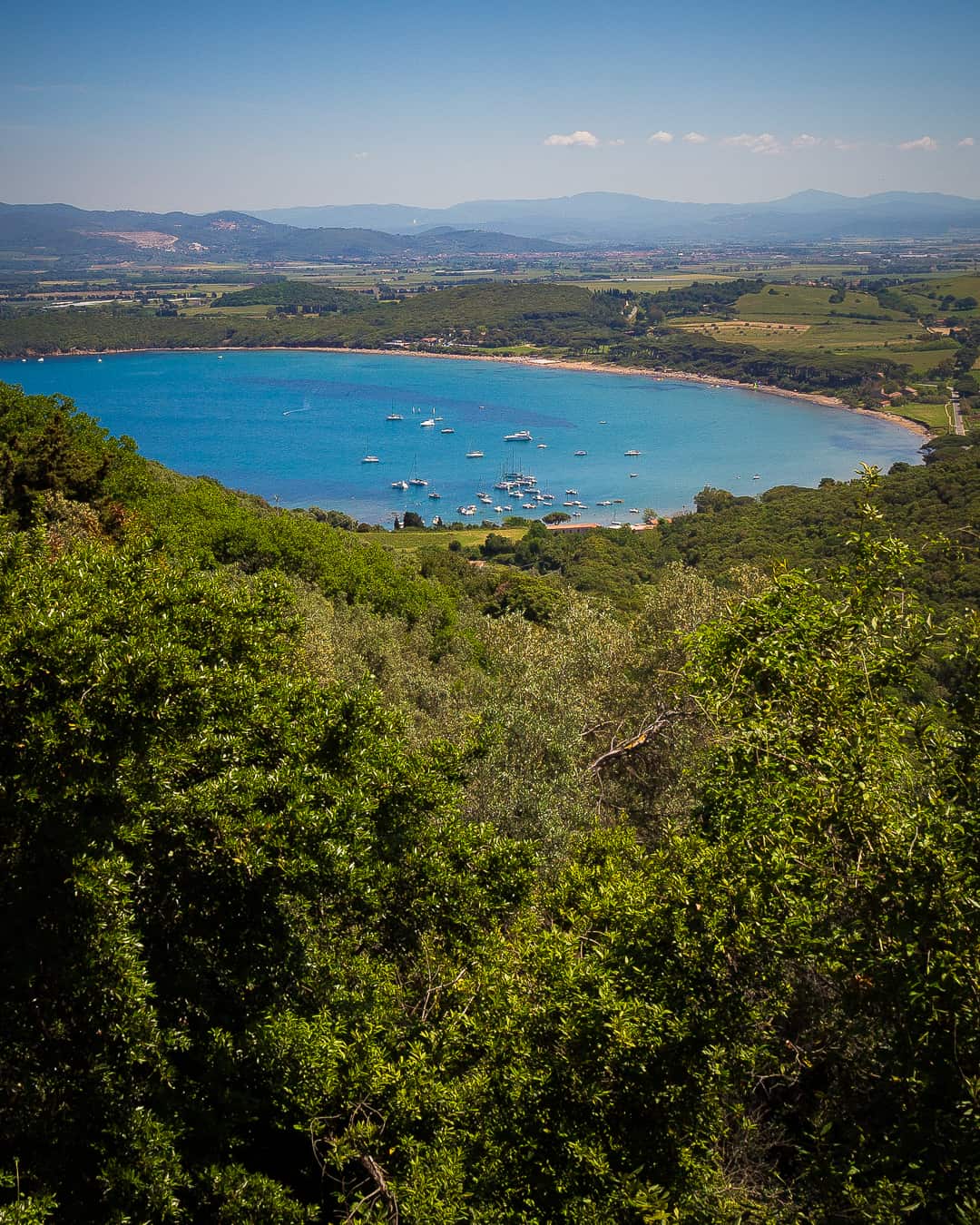
On the Tuscan coast, at the northern tip of the Piombino promontory, the Gulf of Baratti draws a half-moon of beach facing the sea towards Elba.
This is where Populonia stood, the only Etruscan city built on the sea. The choice was no accident: iron ore mined on the island of Elba was worked here, then shipped across the Mediterranean.
The necropolises and acropolis now form an archaeological park of about 80 hectares. These pages tell of the gulf, the village of Populonia, the flowering maquis, the shade of the pines and the sunset.
I
The gulf
The gulf is a natural harbour. The Etruscans, master metalworkers, brought ore from Elba here, smelted it in furnaces and turned it into ingots, weapons and tools.
Today the little harbour holds skiffs and fishing boats; at anchor offshore, sailing boats.
A few steps from the beach lie the mound and aedicula tombs of the San Cerbone necropolis: the only Etruscan necropolis built by the sea.
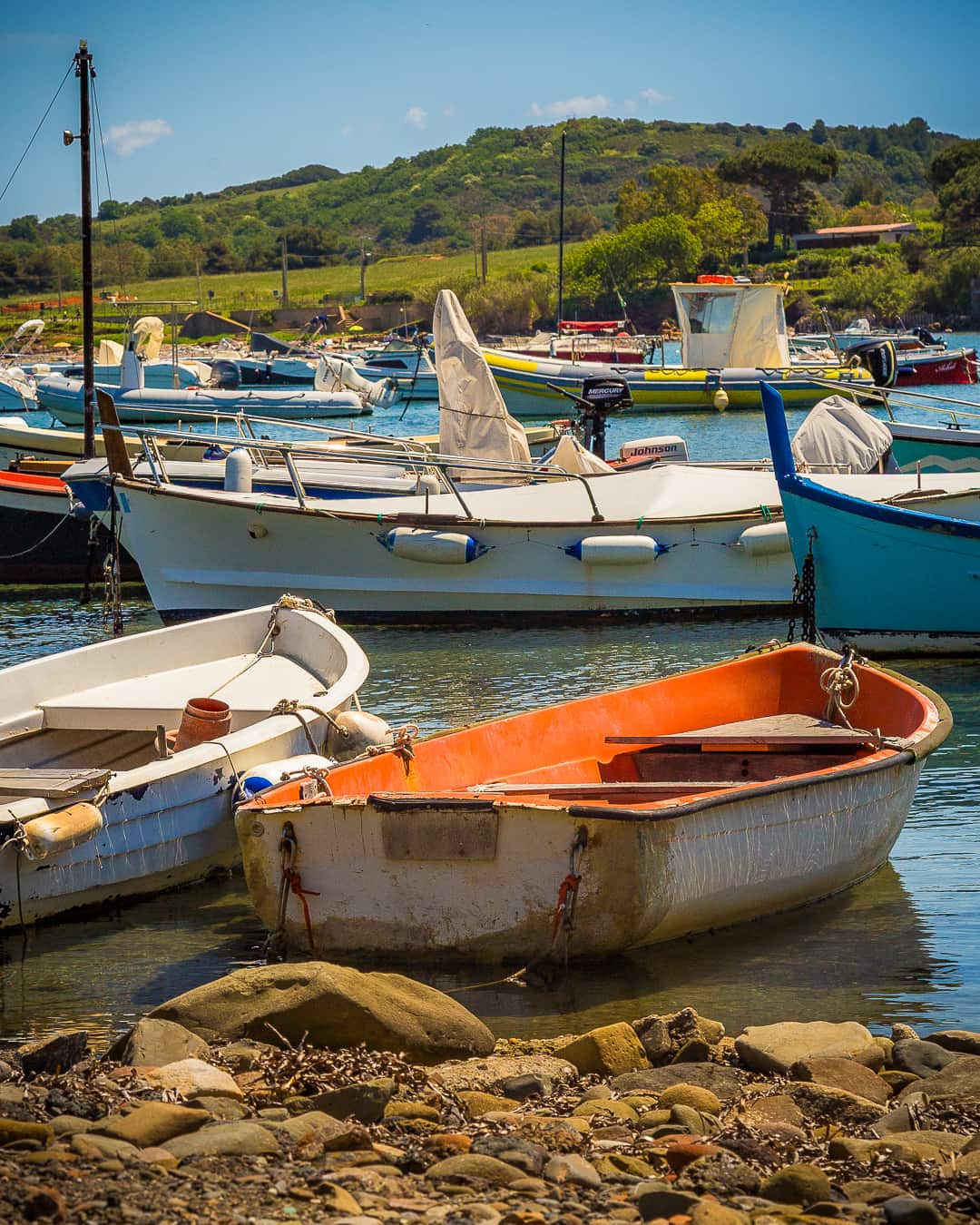
The boats
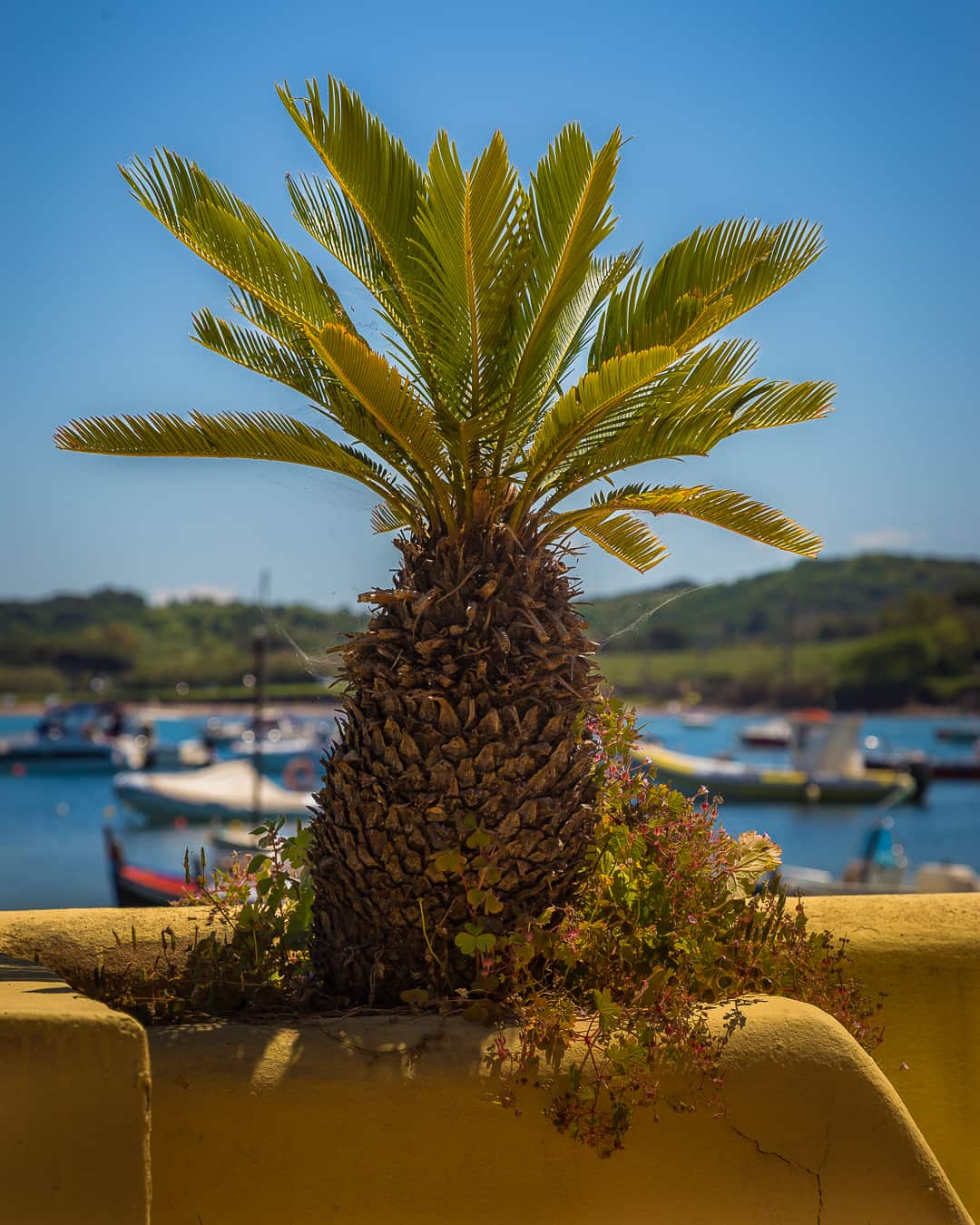
Coloured skiffs, a boat with an orange interior, the pebbles of the shore. The gulf has been a natural landing place for more than two and a half thousand years: Elba’s iron arrived here and set off again across the Mediterranean. The boats are smaller today, but the harbour is the same.
The sail
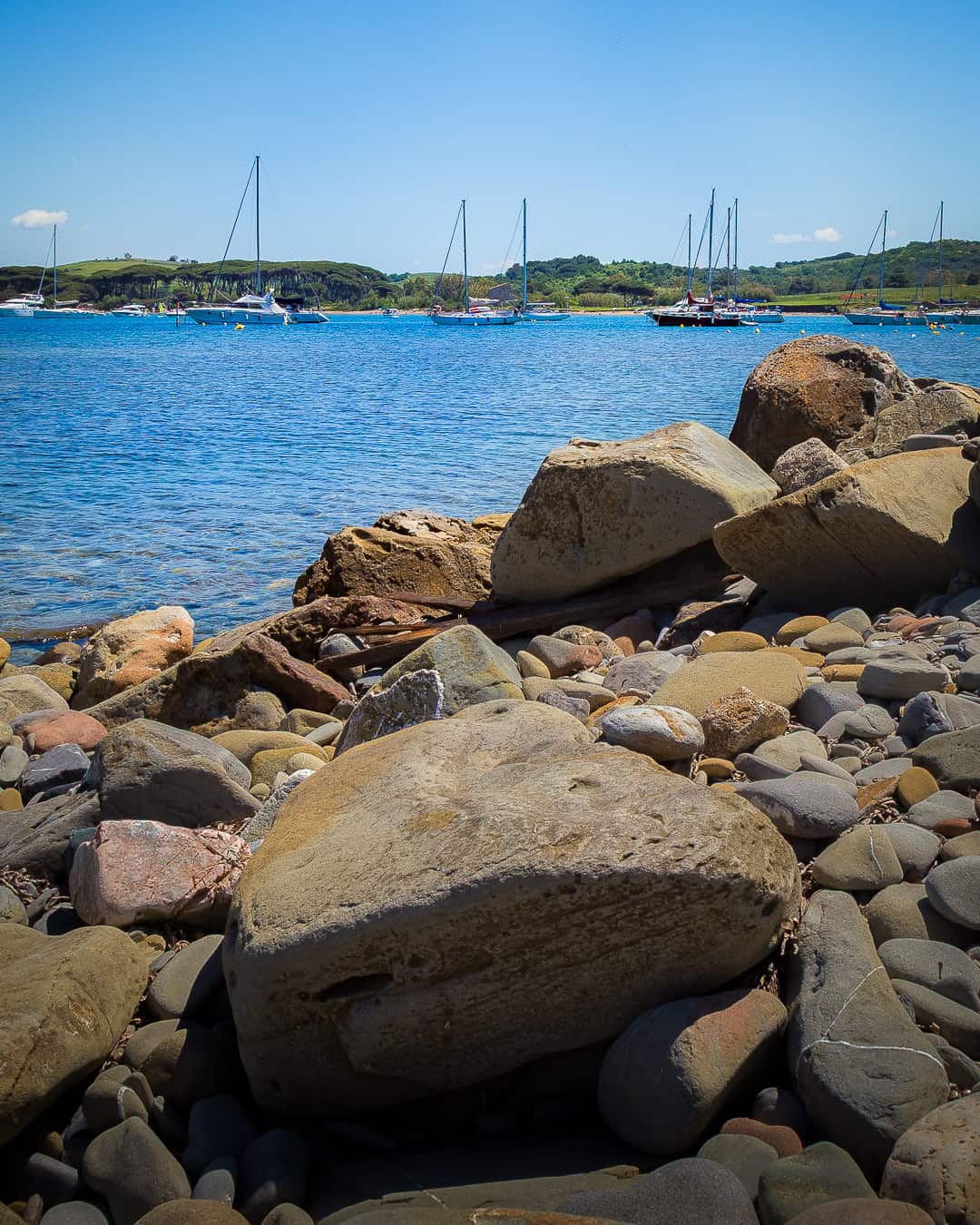
A sailing boat among the rocks, and mountains behind. From the Etruscan tombs facing the gulf, the view reaches the island of Elba and, on clear days, as far as Corsica. Here the sea was never a border: it was a road.

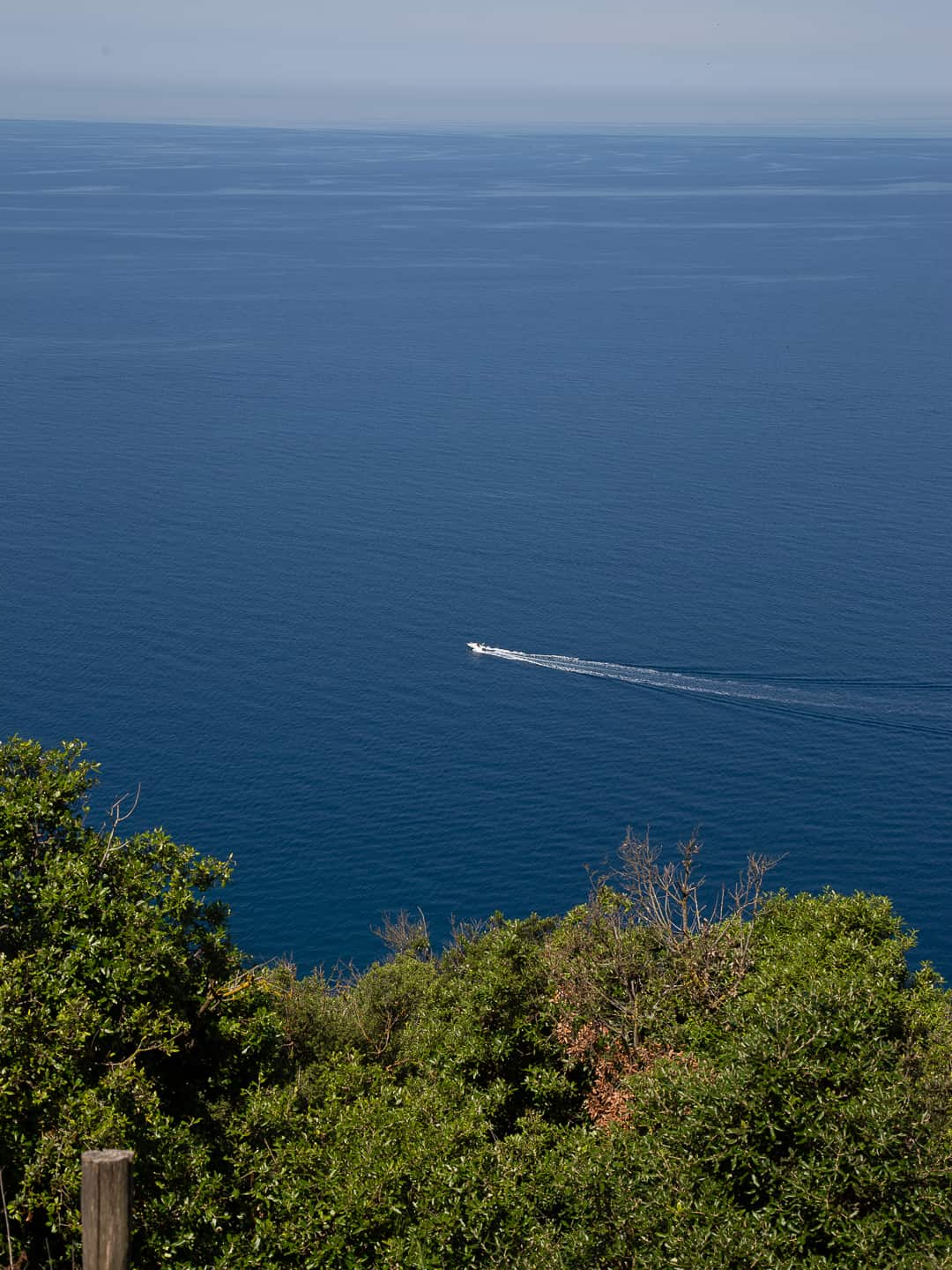
The sea from above
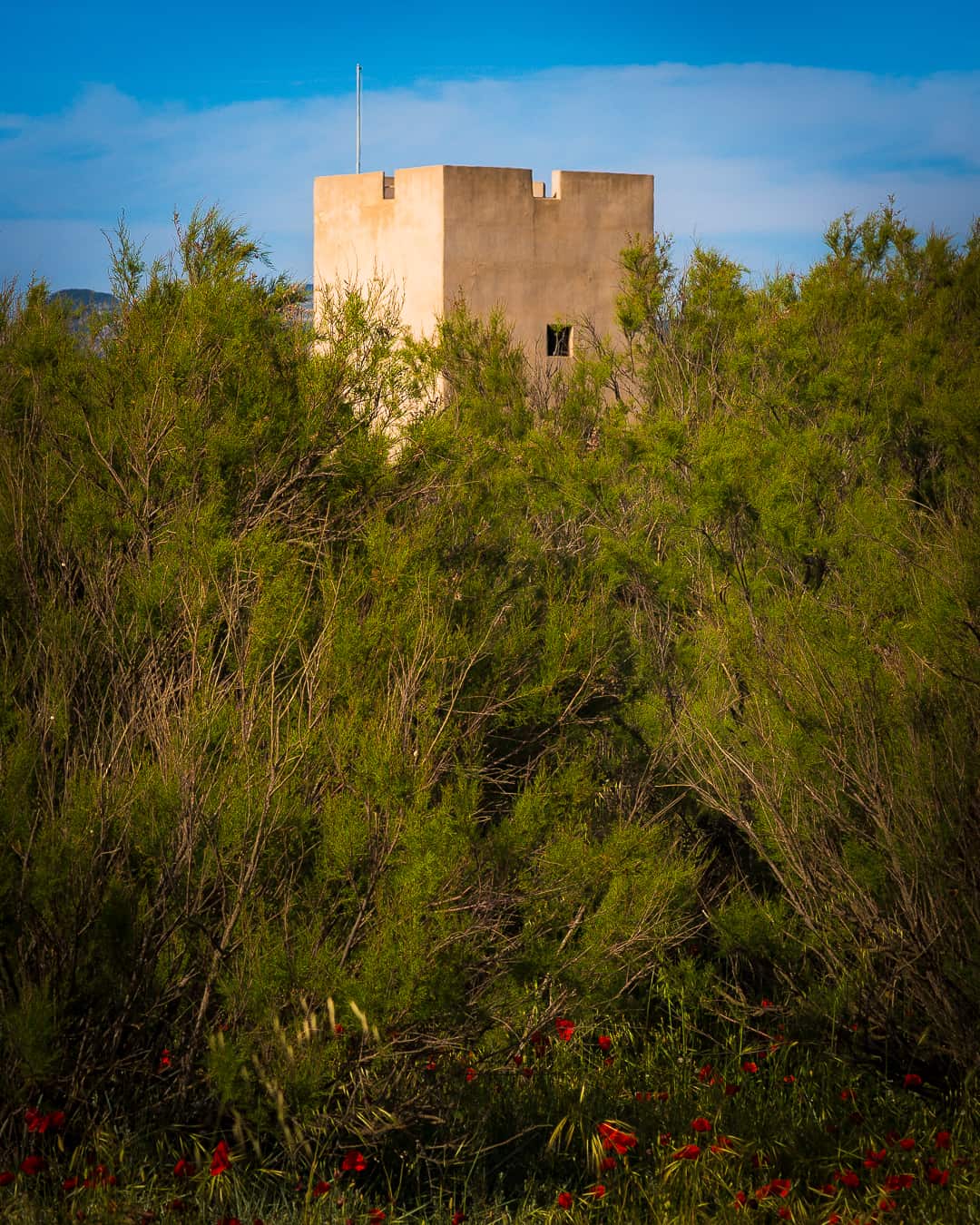
Blue sea, a white wake, maquis in the foreground. The Etruscans chose this promontory to work Elba’s iron quickly; but from up here they also commanded the sea, and whoever crossed it.
II
Populonia
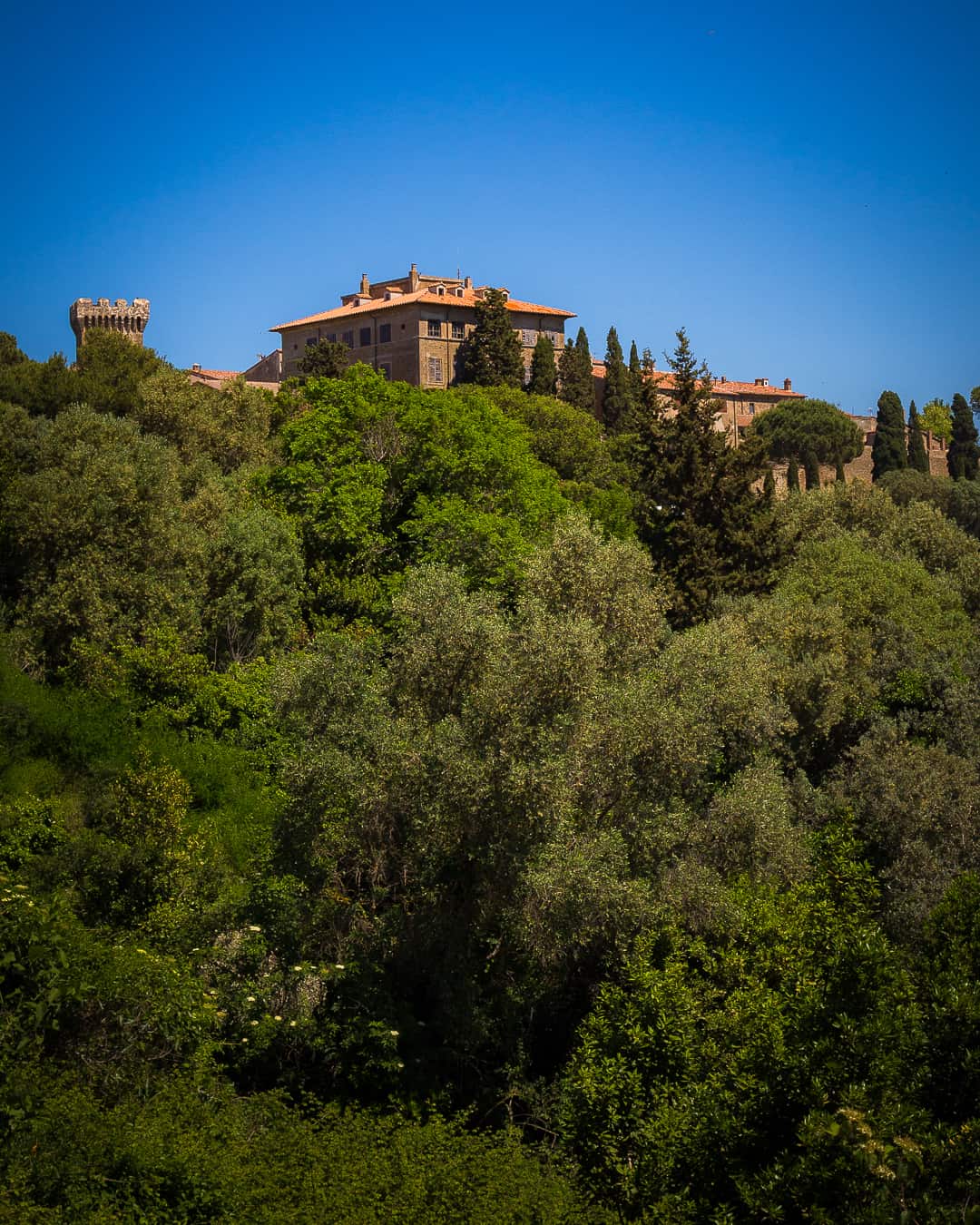
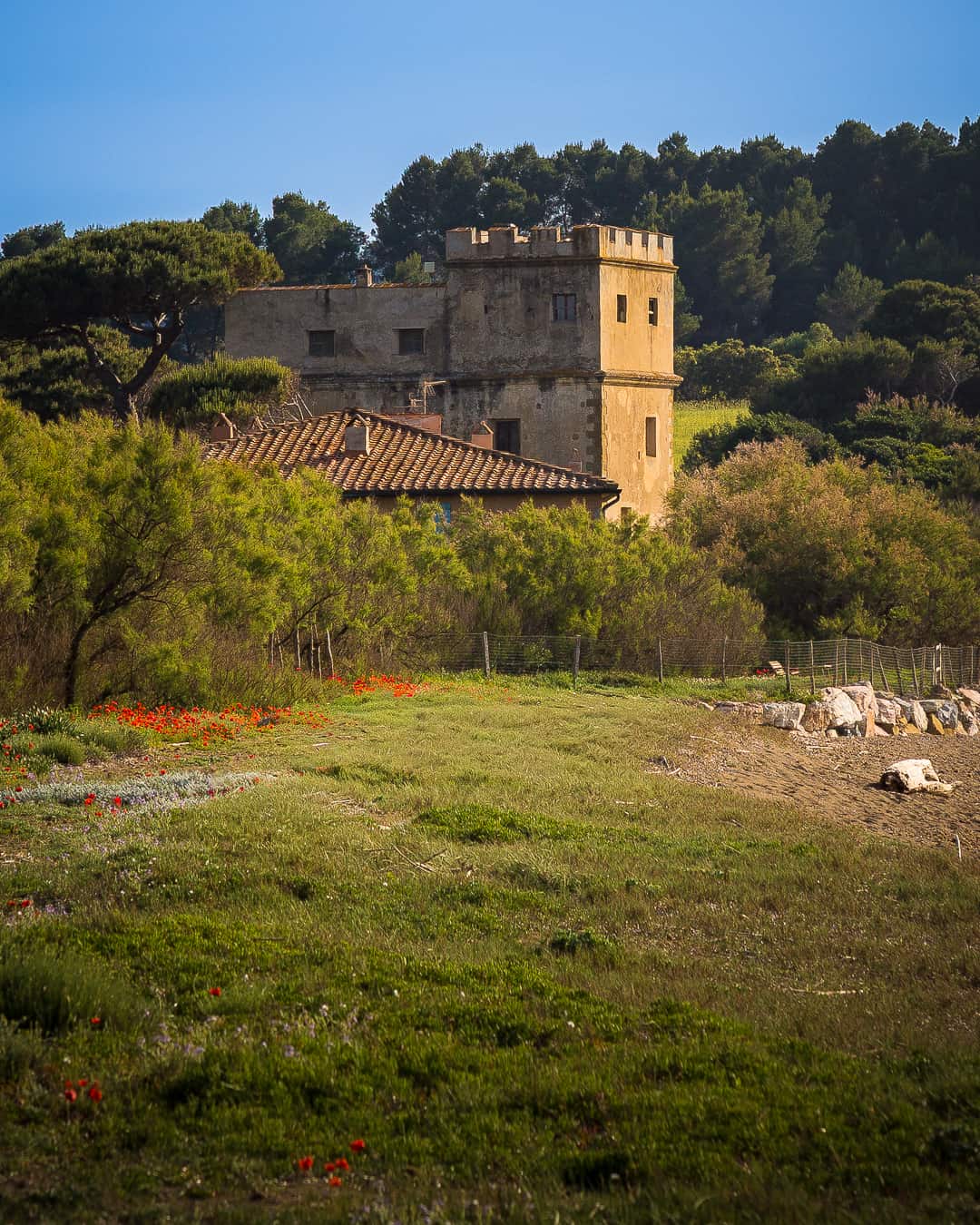
On the point of the promontory, Populonia overlooks the gulf. Of the ancient city, the acropolis survives, with temples, houses, mosaics and paved streets.
In the early fifteenth century the Appiani, lords of Piombino, built a fortress here, around which a small walled village grew up.
From the fortress tower the view takes in the gulf and the Tuscan Archipelago.
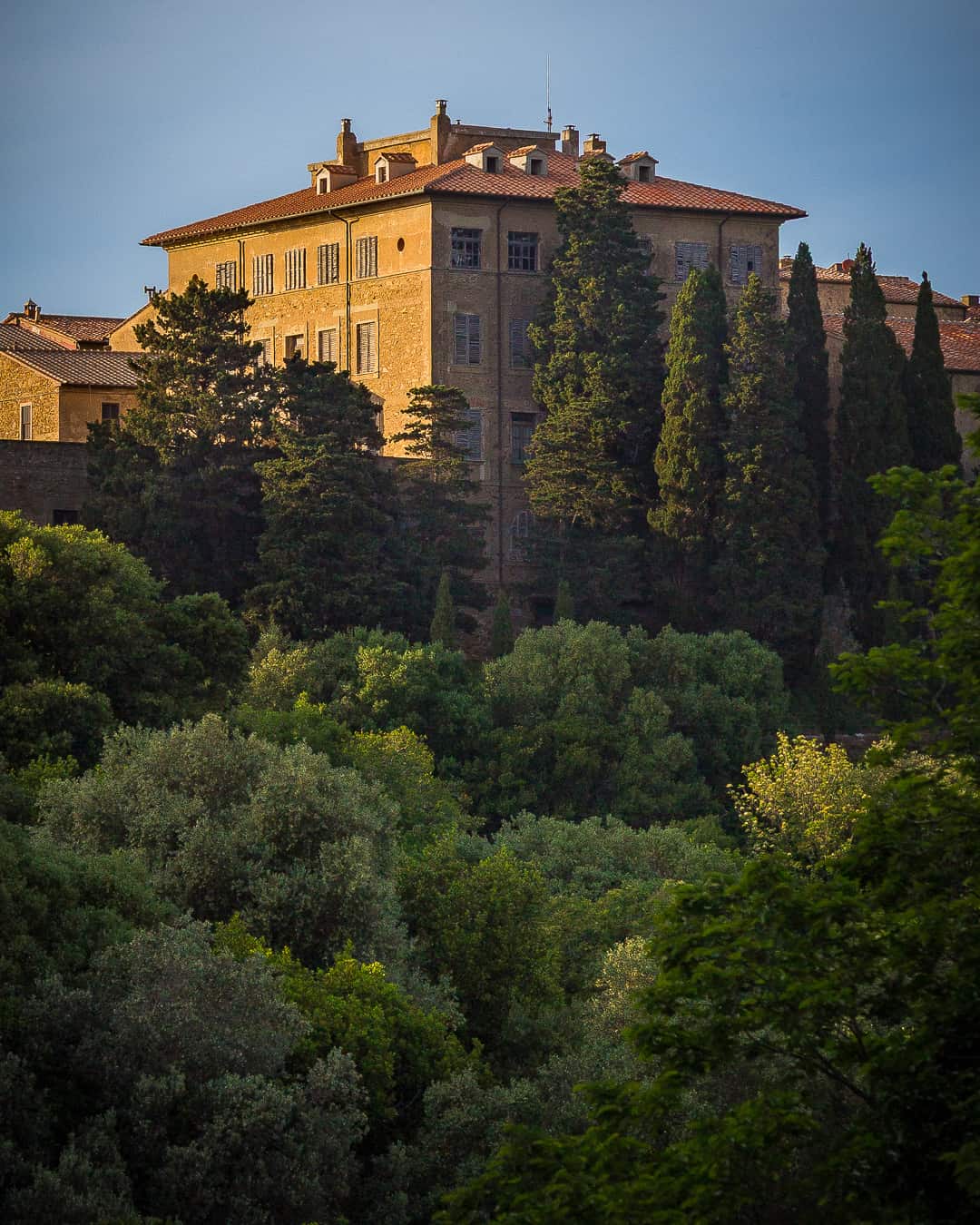
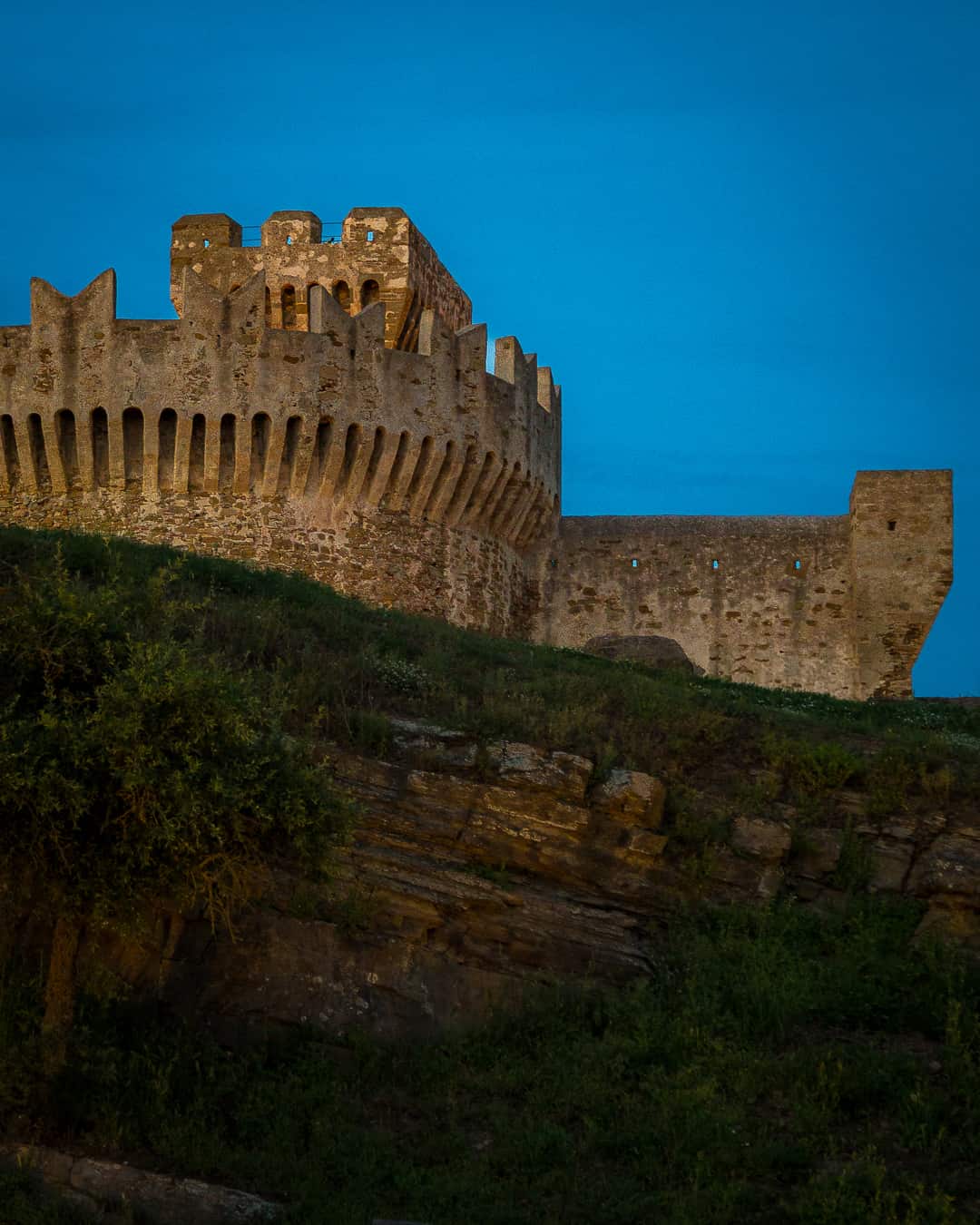
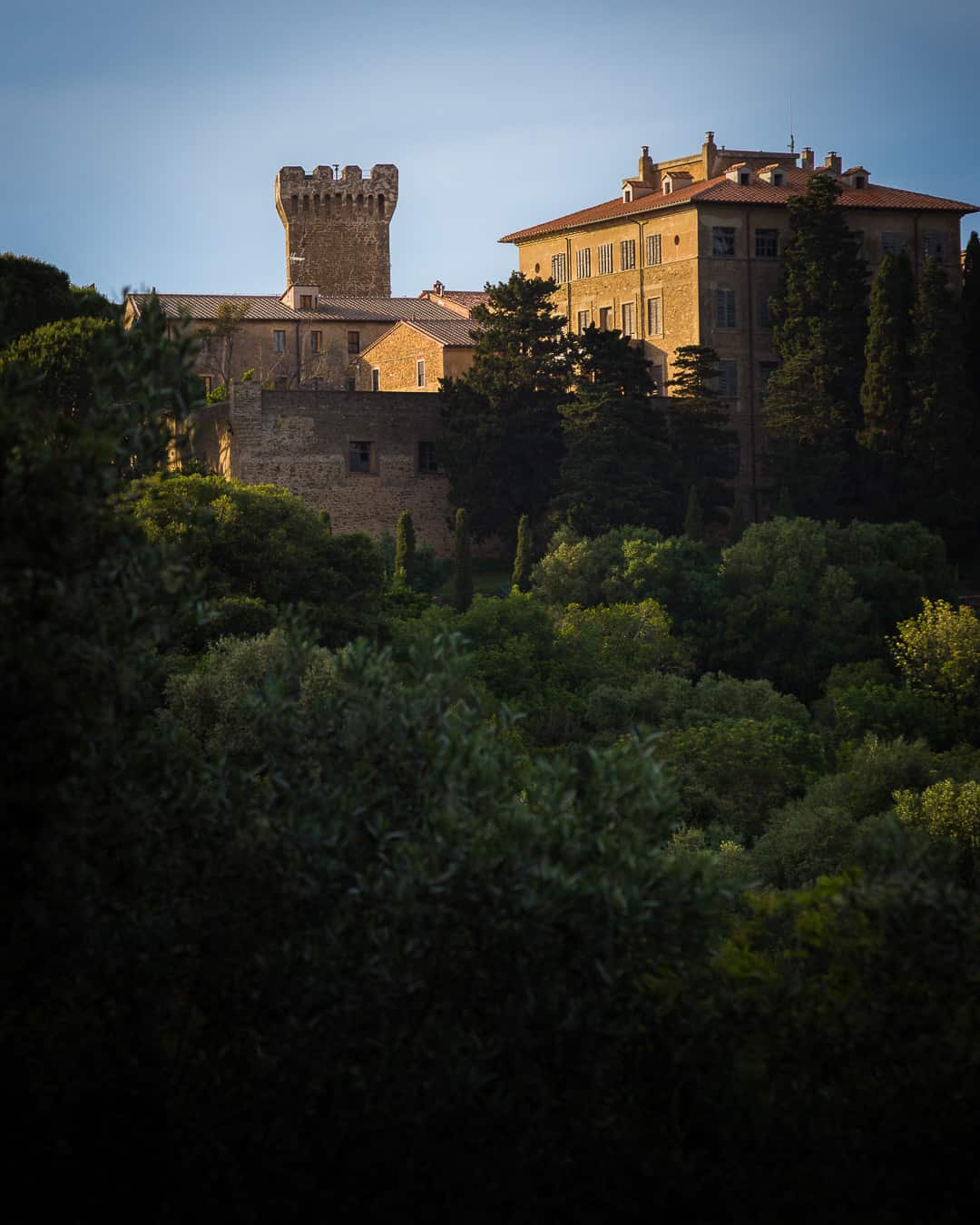
The fortress
Battlements, thick walls, blue sky. In the early fifteenth century Jacopo II Appiani, lord of Piombino, had an imposing fortress built at Populonia, and a small village grew up around it. Today you can climb the tower: the view over the gulf repays every step.
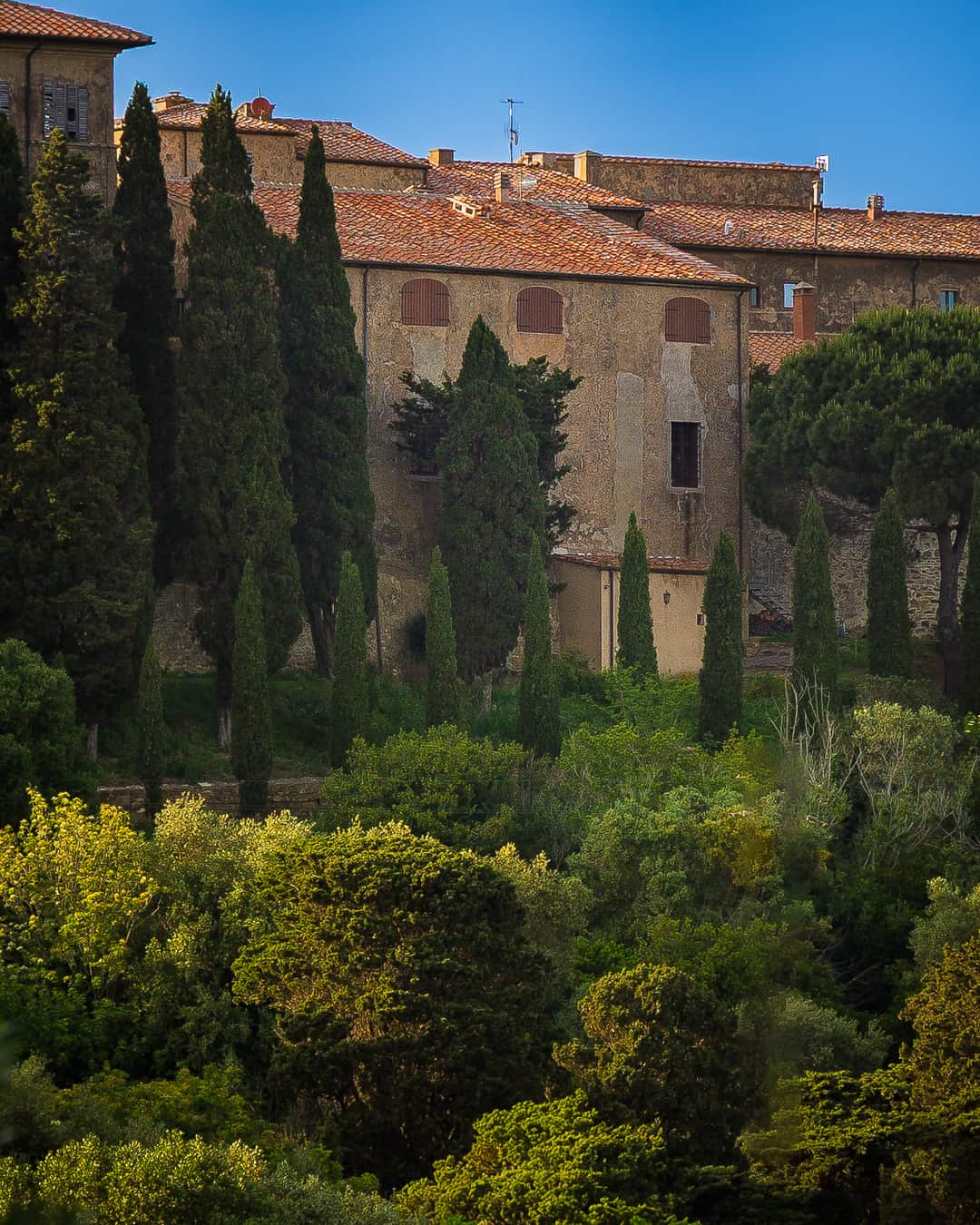
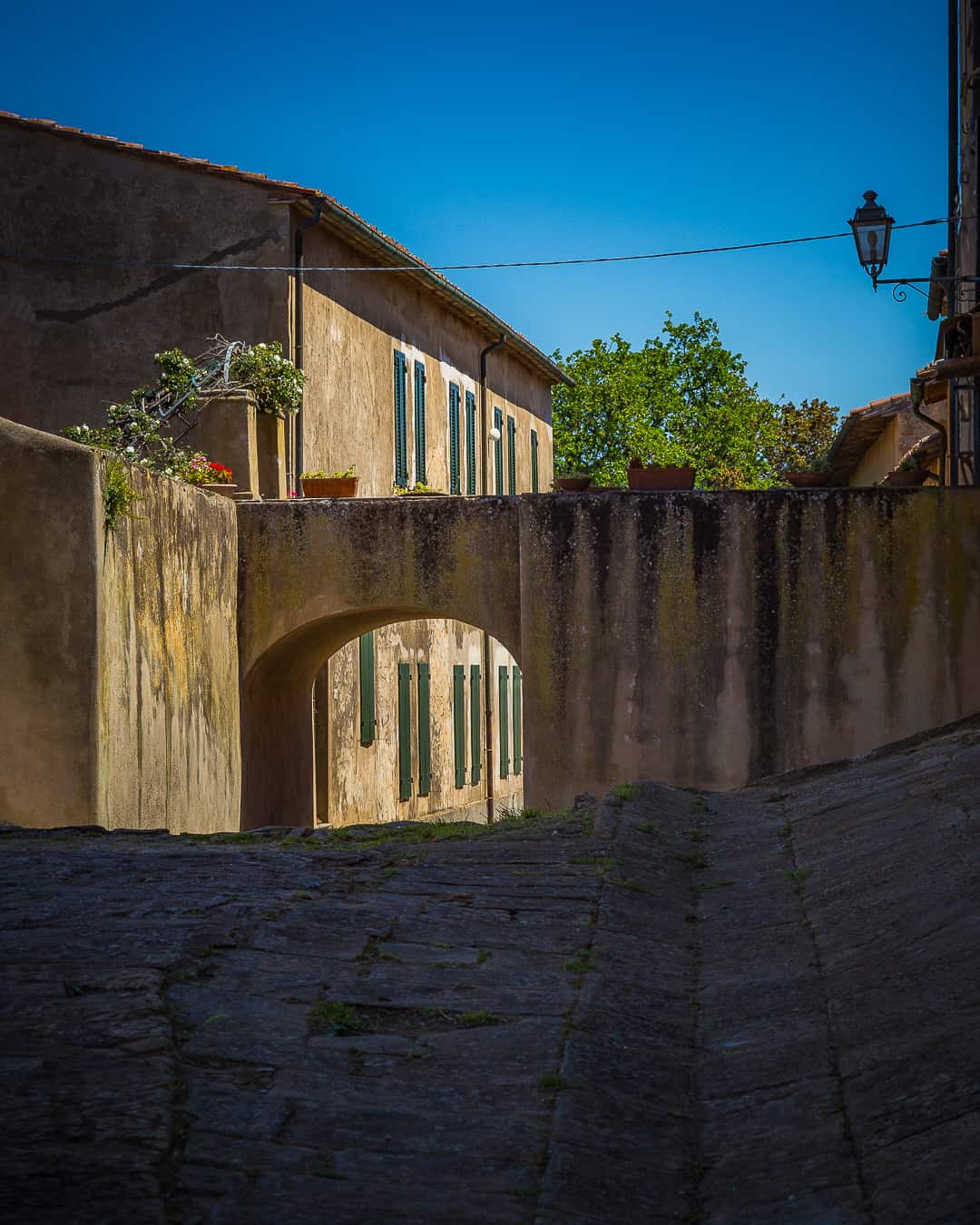
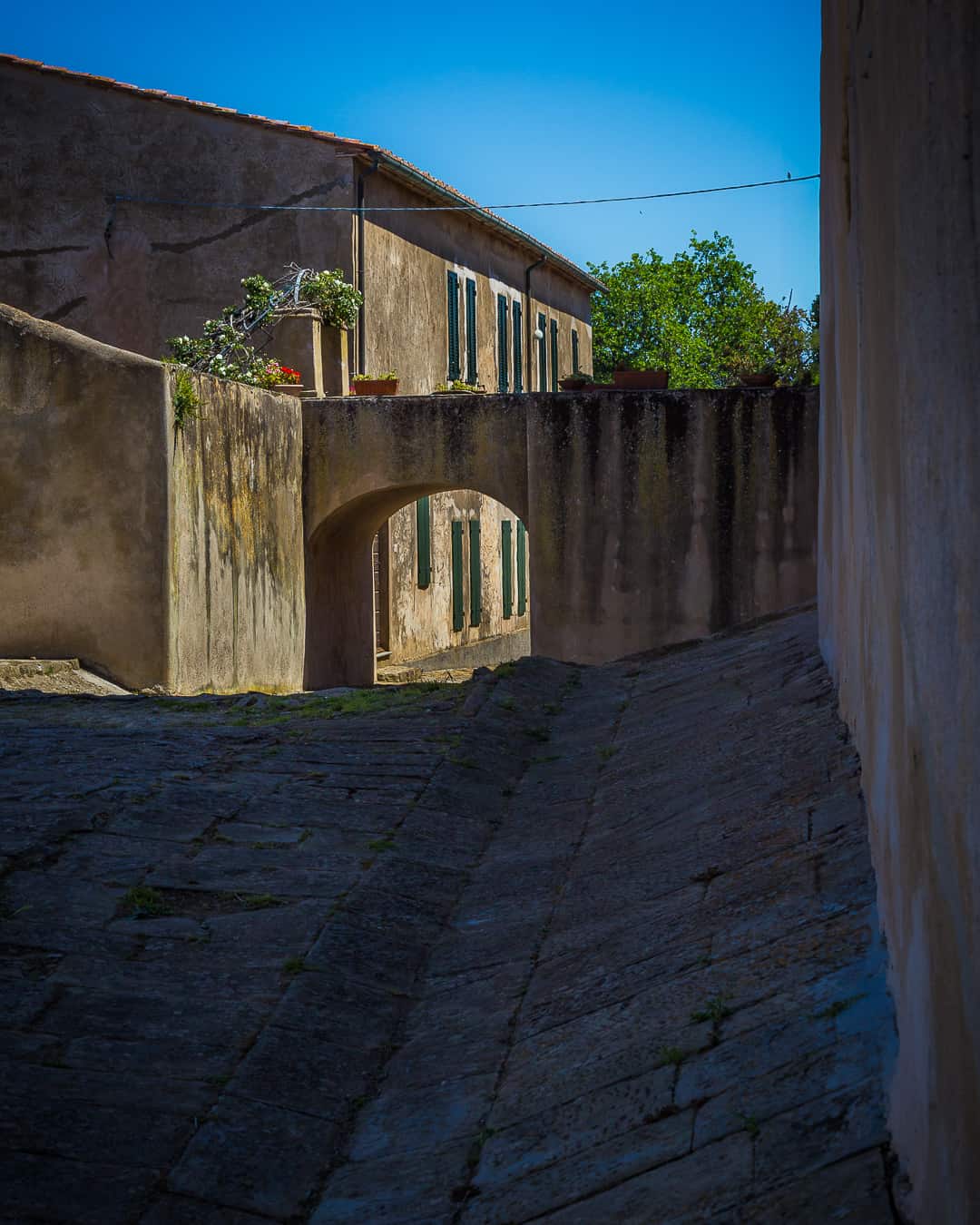
The arch
An arch between houses, a stone street climbing uphill. The village of Populonia is tiny: a few parallel streets, stone houses, a handful of shops. You can cross it in minutes, but you will stay much longer.
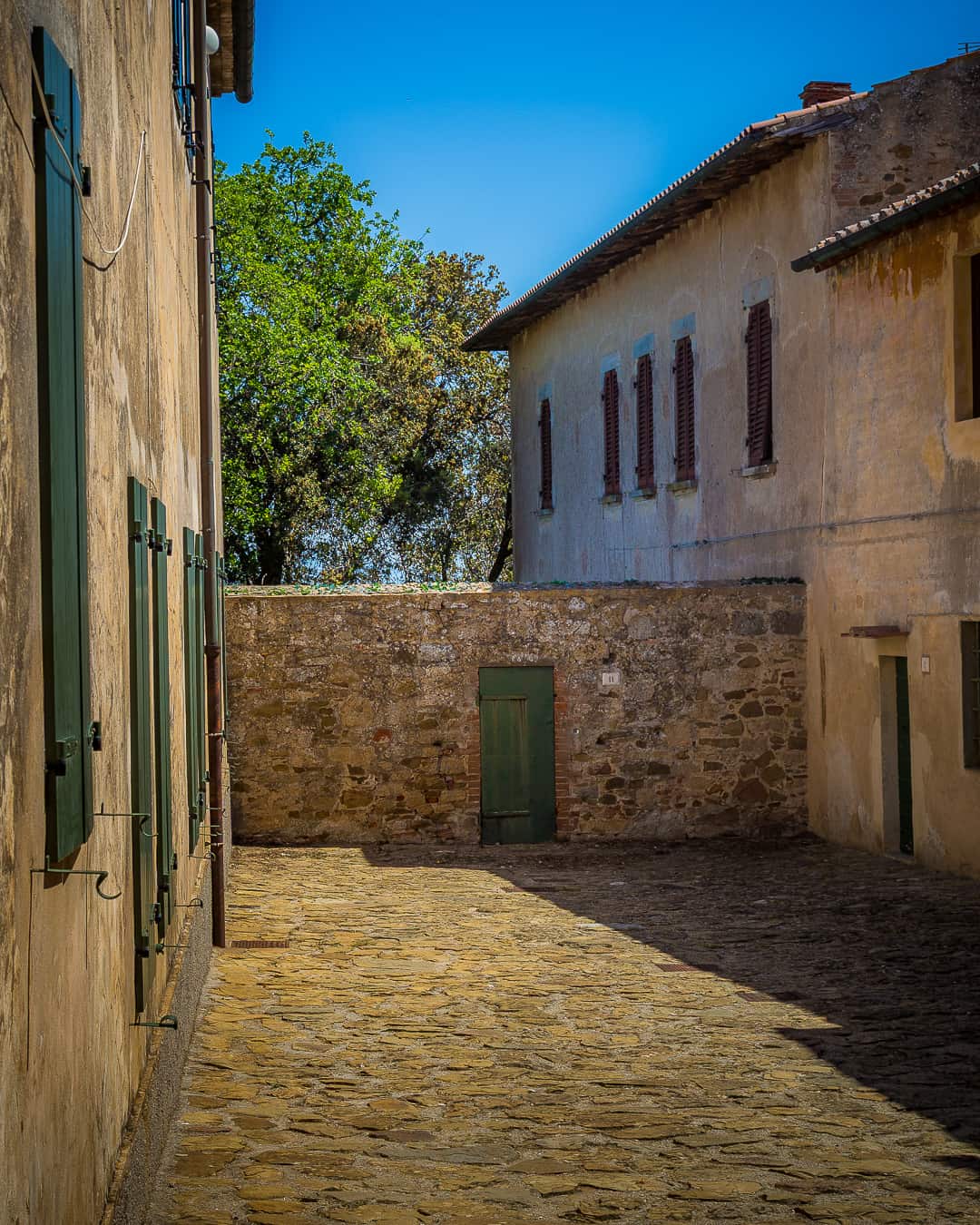
The walls
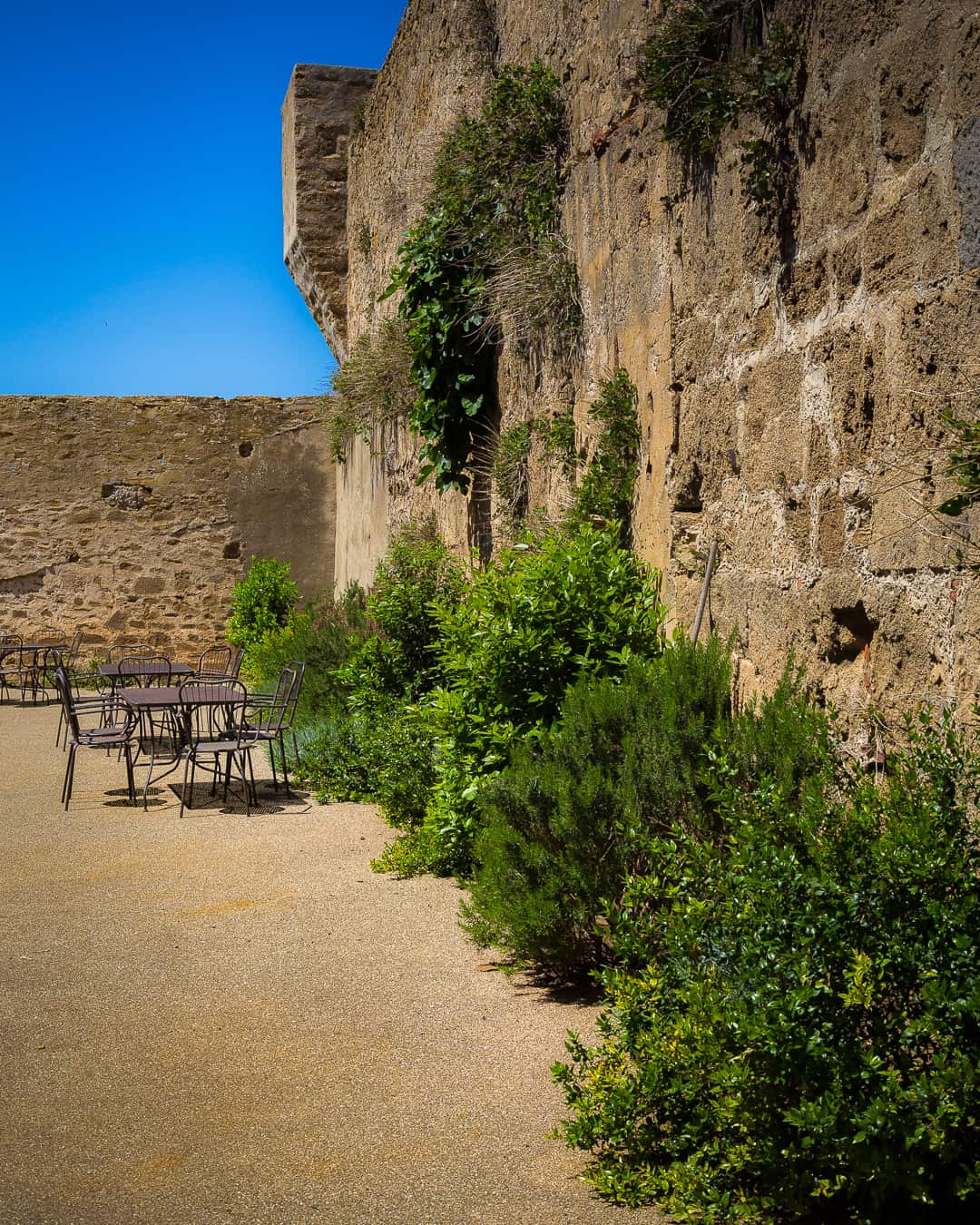
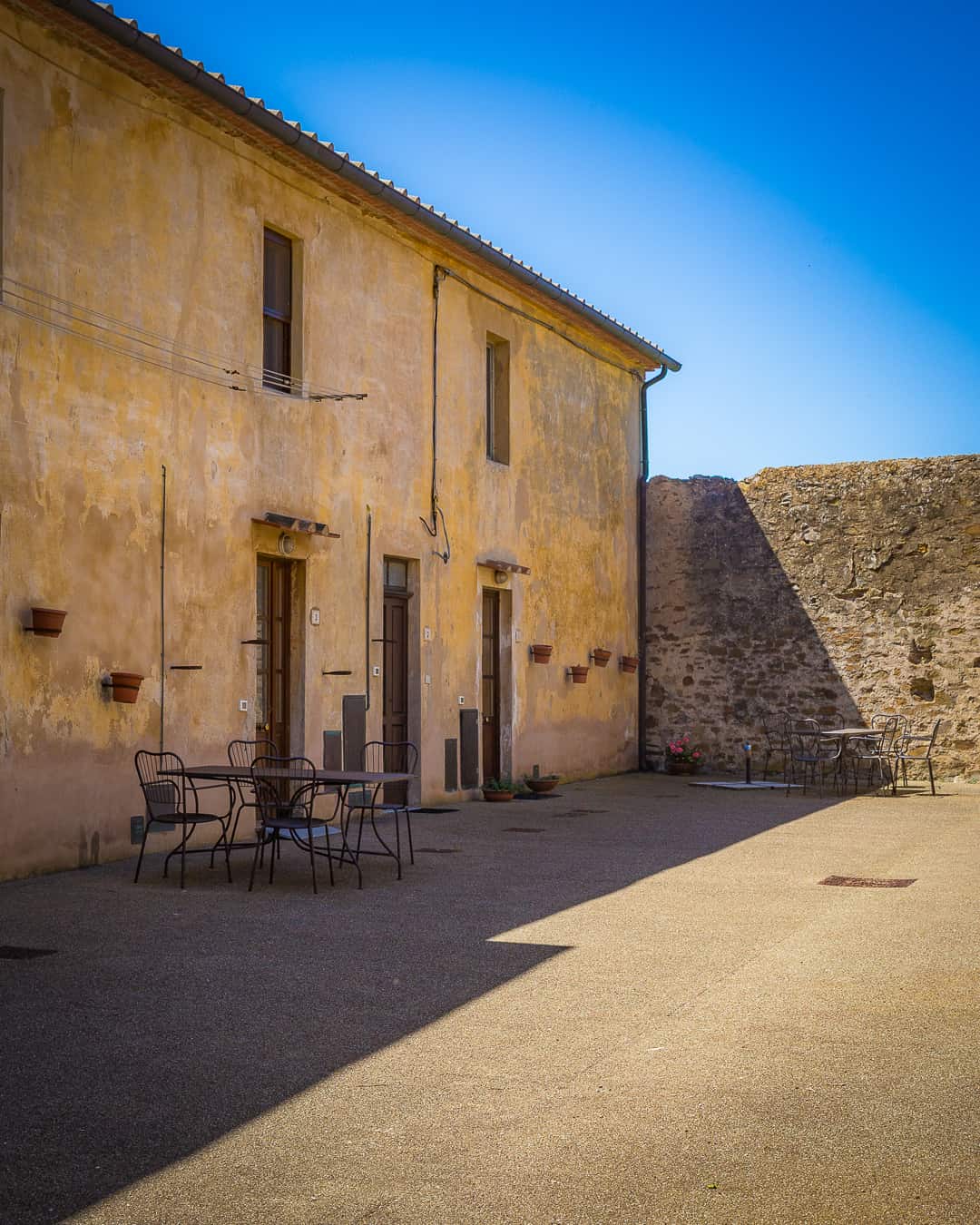
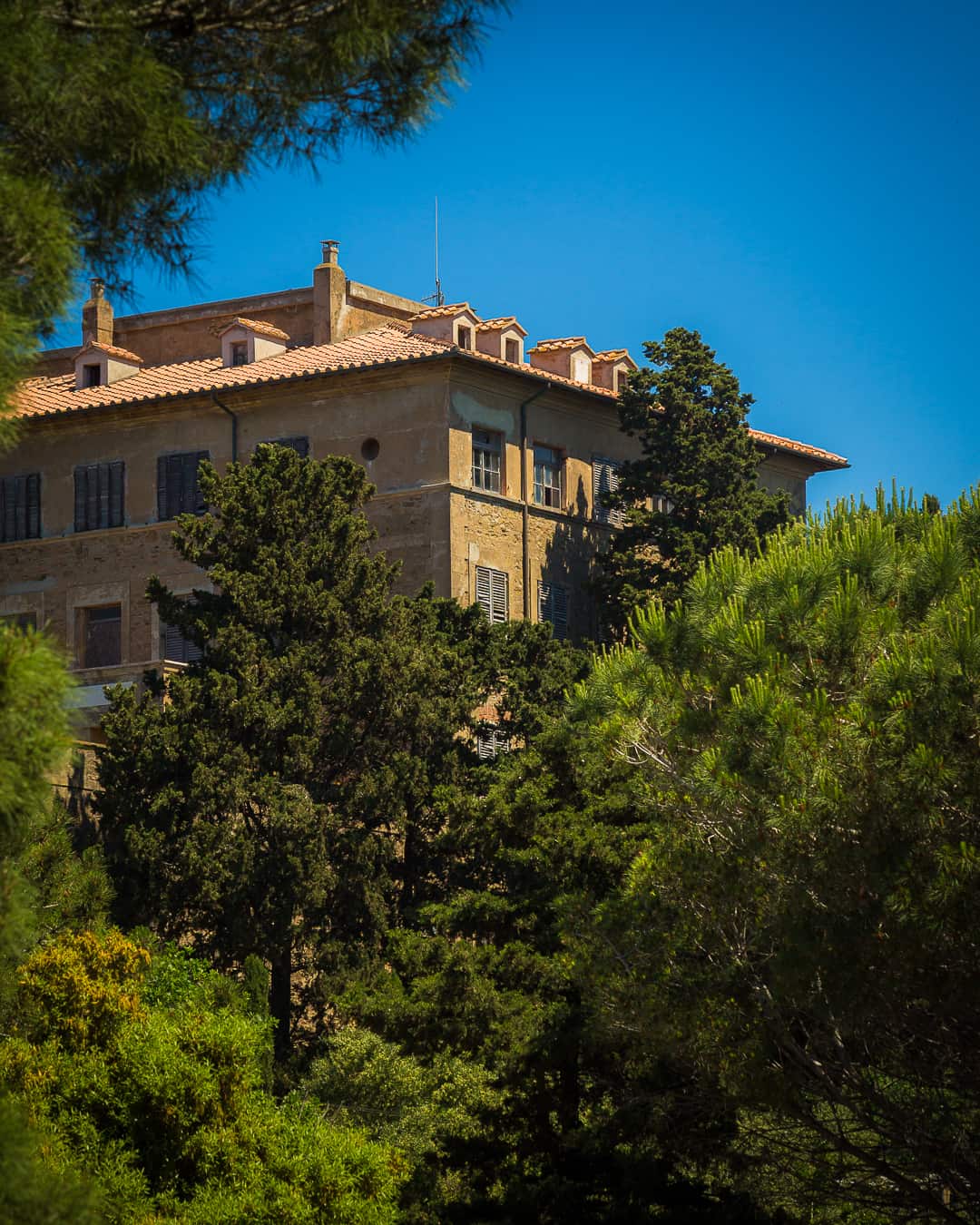
Towering walls, climbing plants, tables in the shade. Populonia’s medieval walls were built against the Barbary pirates who threatened these coasts for centuries. Today they shelter visitors from the wind and the sun.
The shop
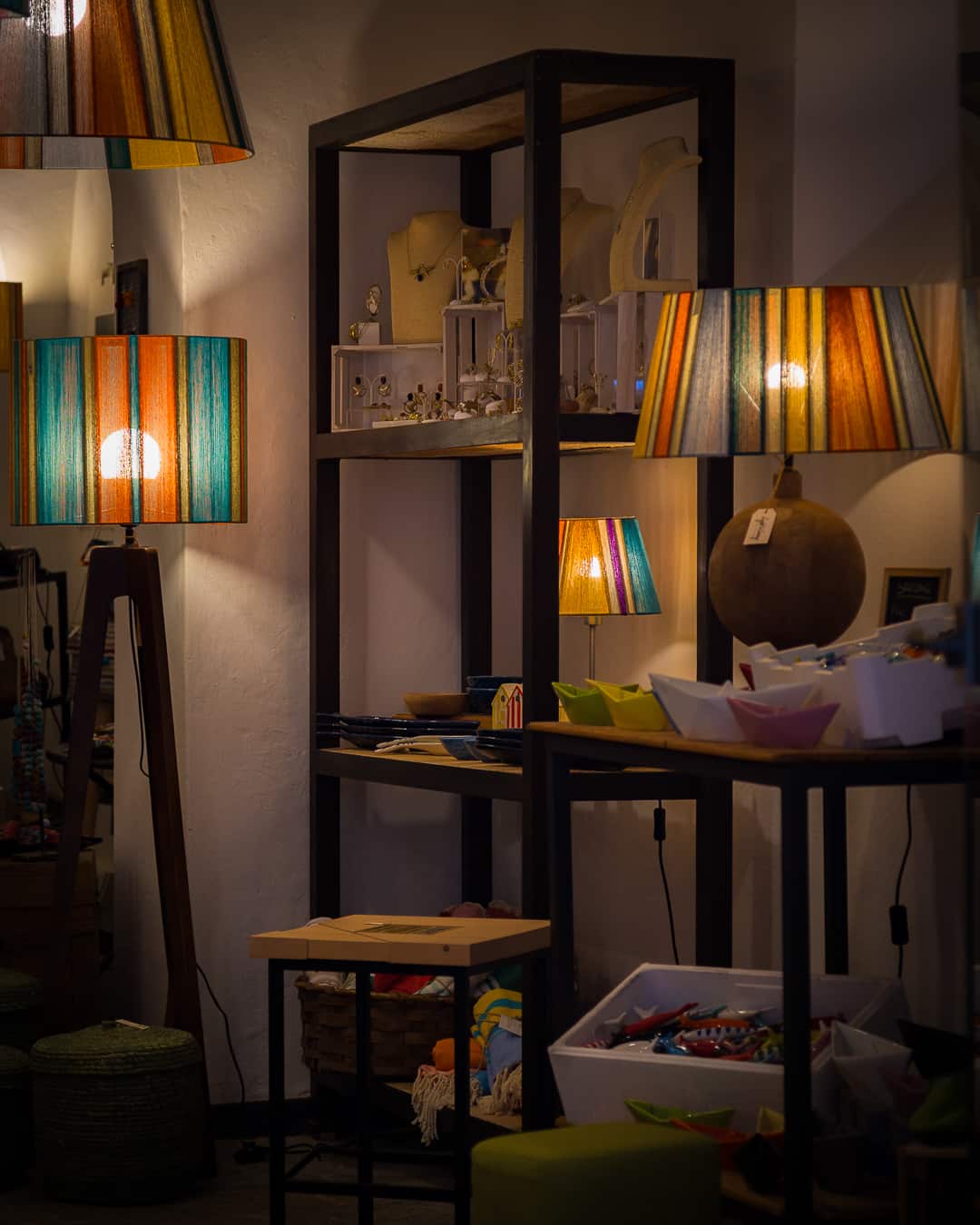
Striped fabric lamps, shelves, handmade objects. Inside the fortress walls there are paved lanes, small shops and the Collezione Gasparri, a private collection of Etruscan and Roman artefacts and finds from the seabed.
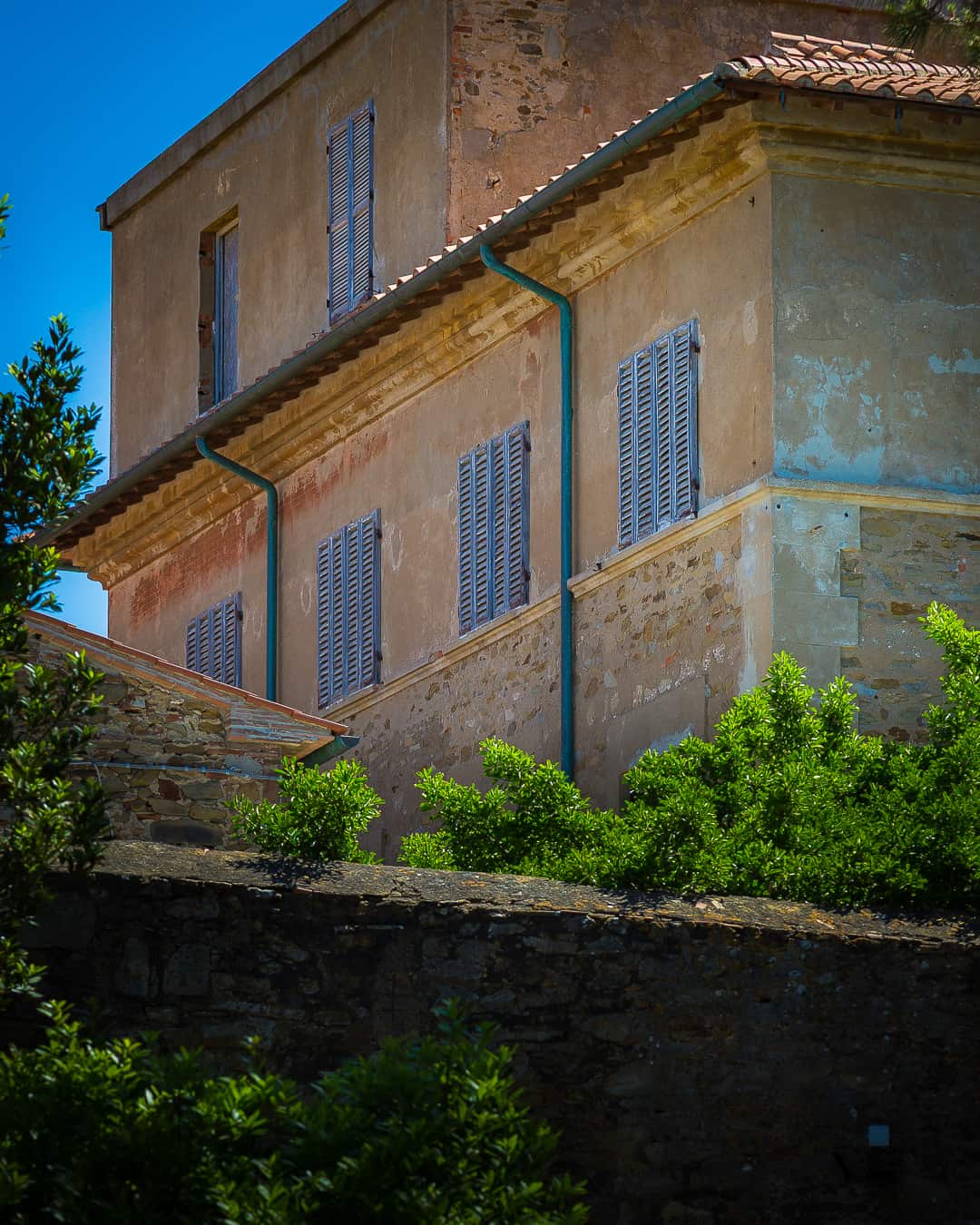
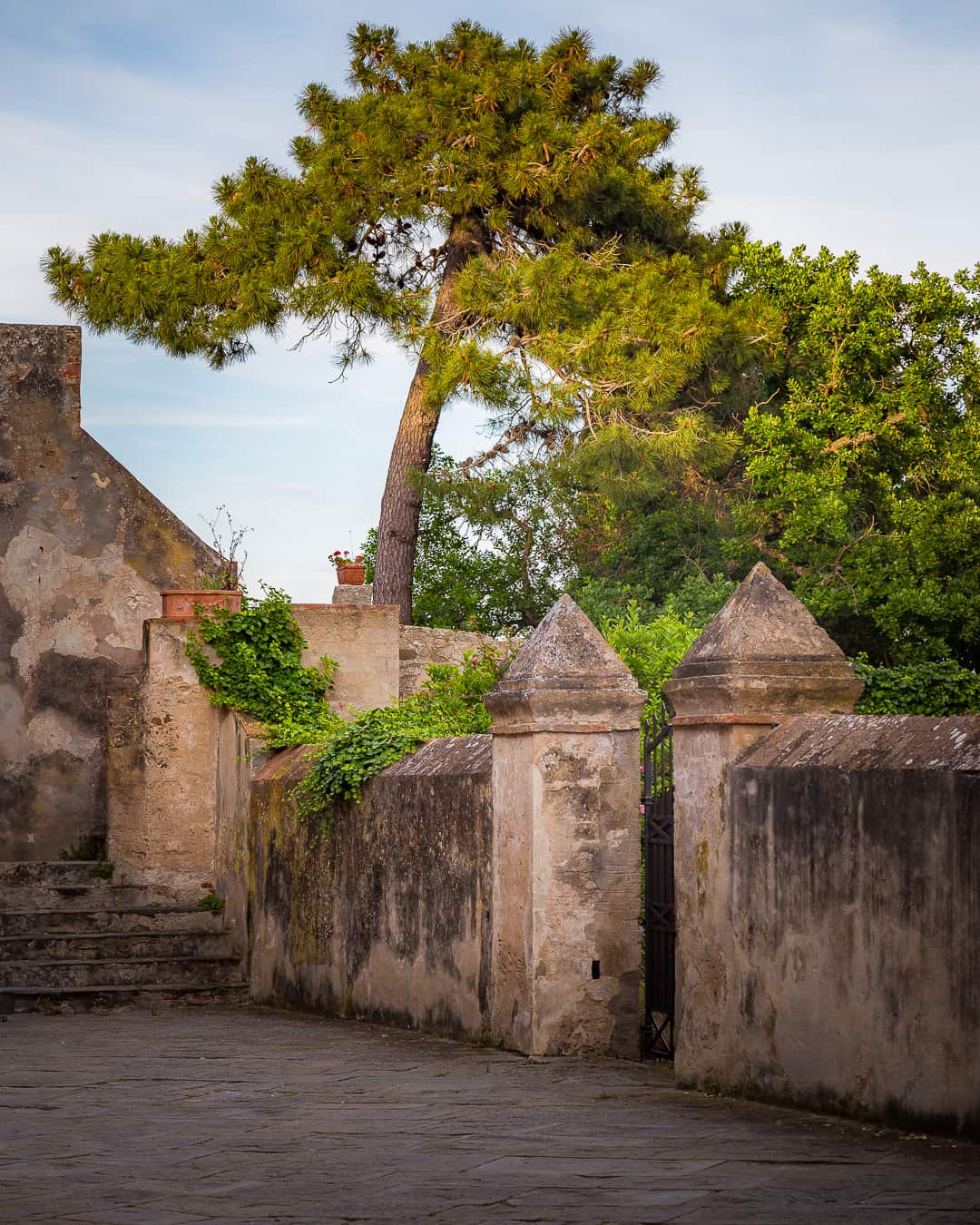
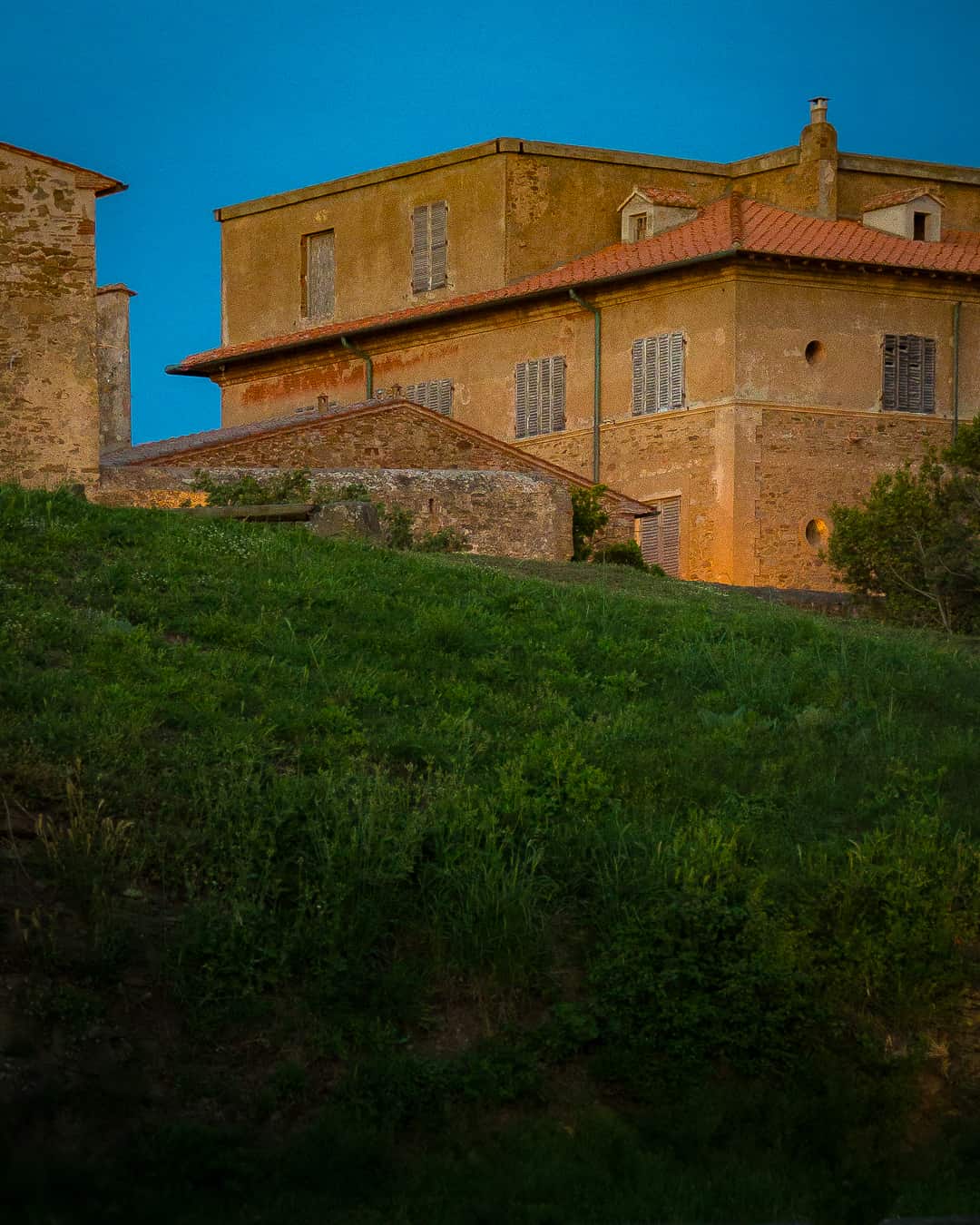
Evening on the village
The stones warm up, the grass darkens, the sky turns deep blue. When visitors head back down to the gulf, Populonia returns to its handful of residents and the silence of the hill.
III
Poppies and maquis
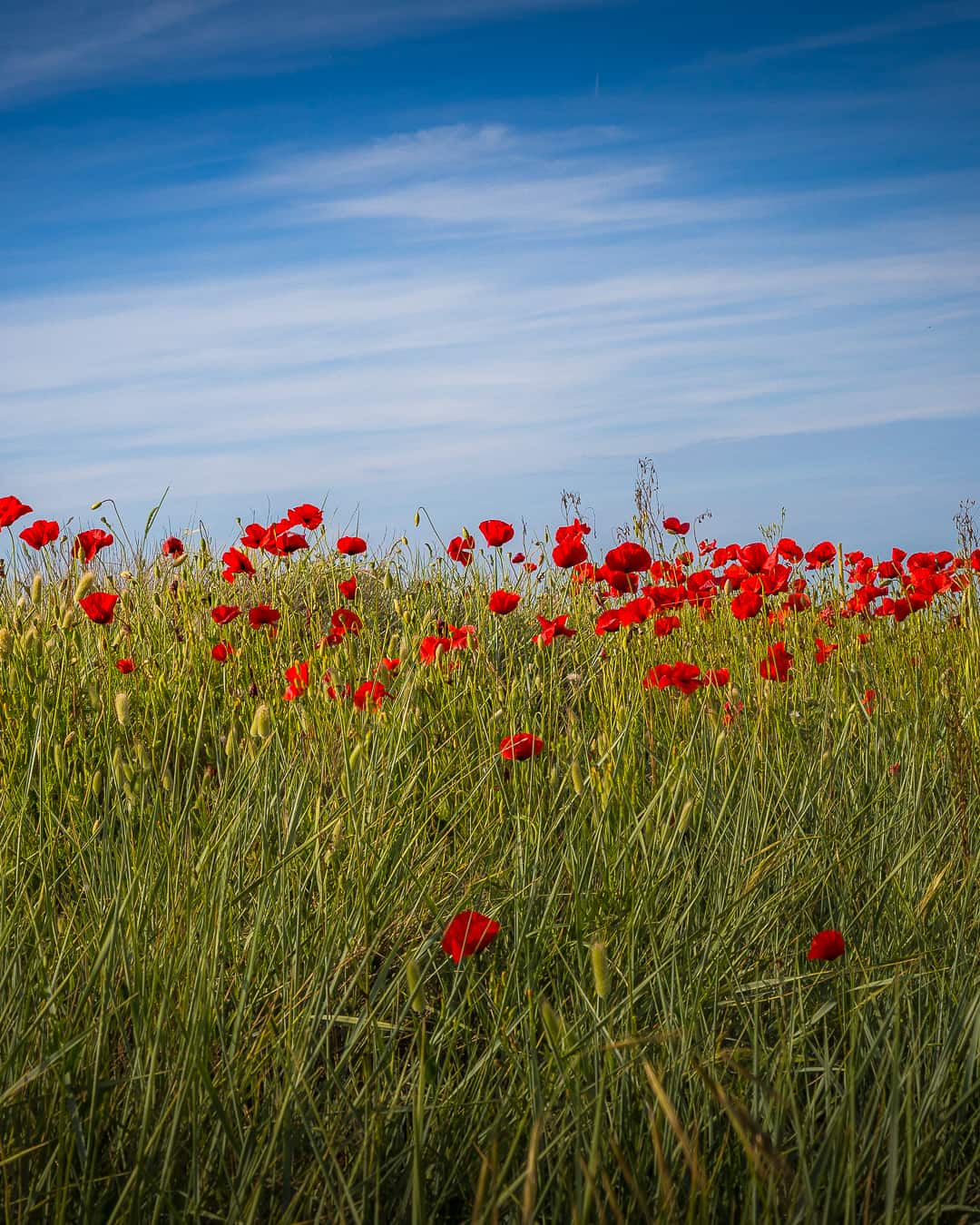
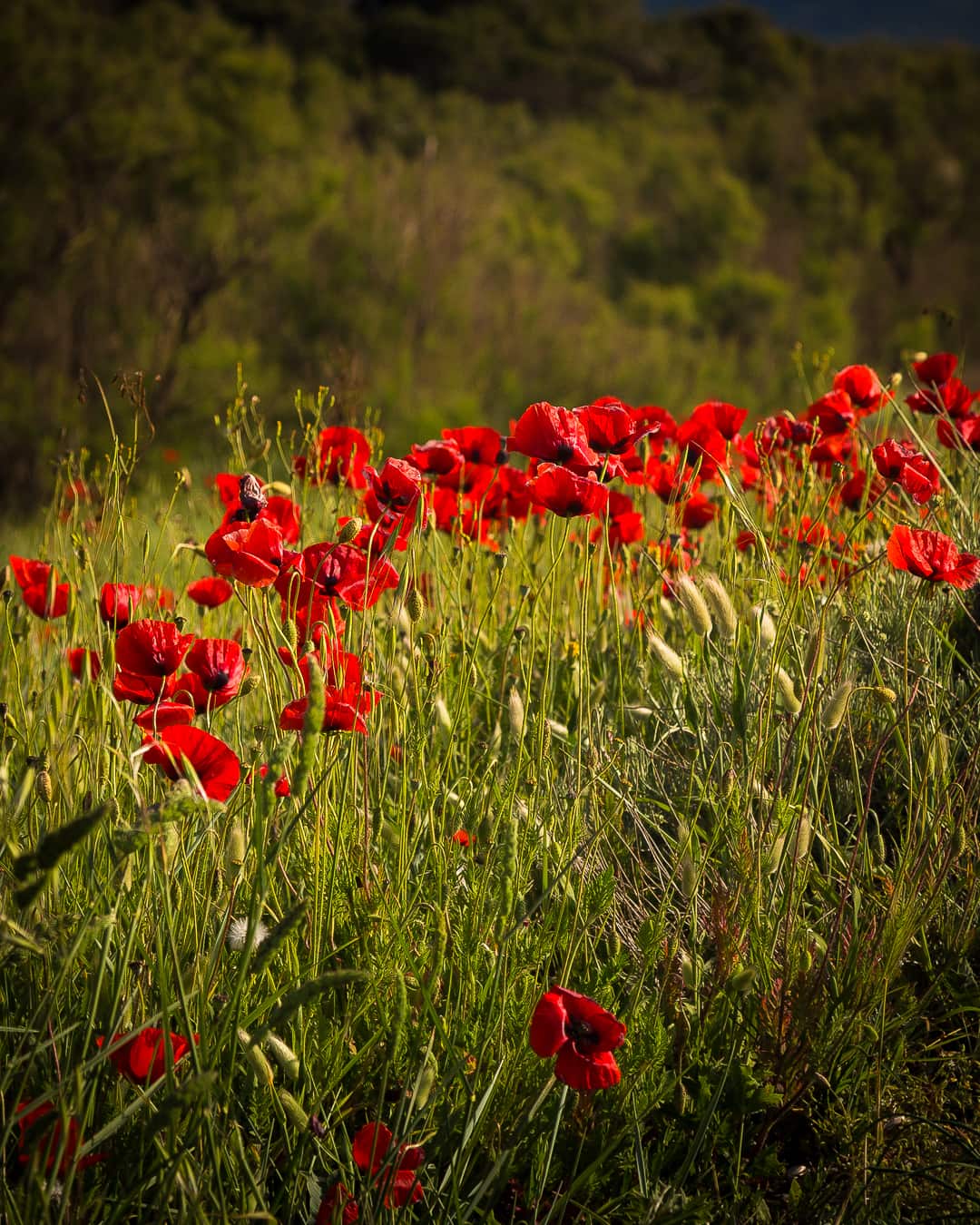
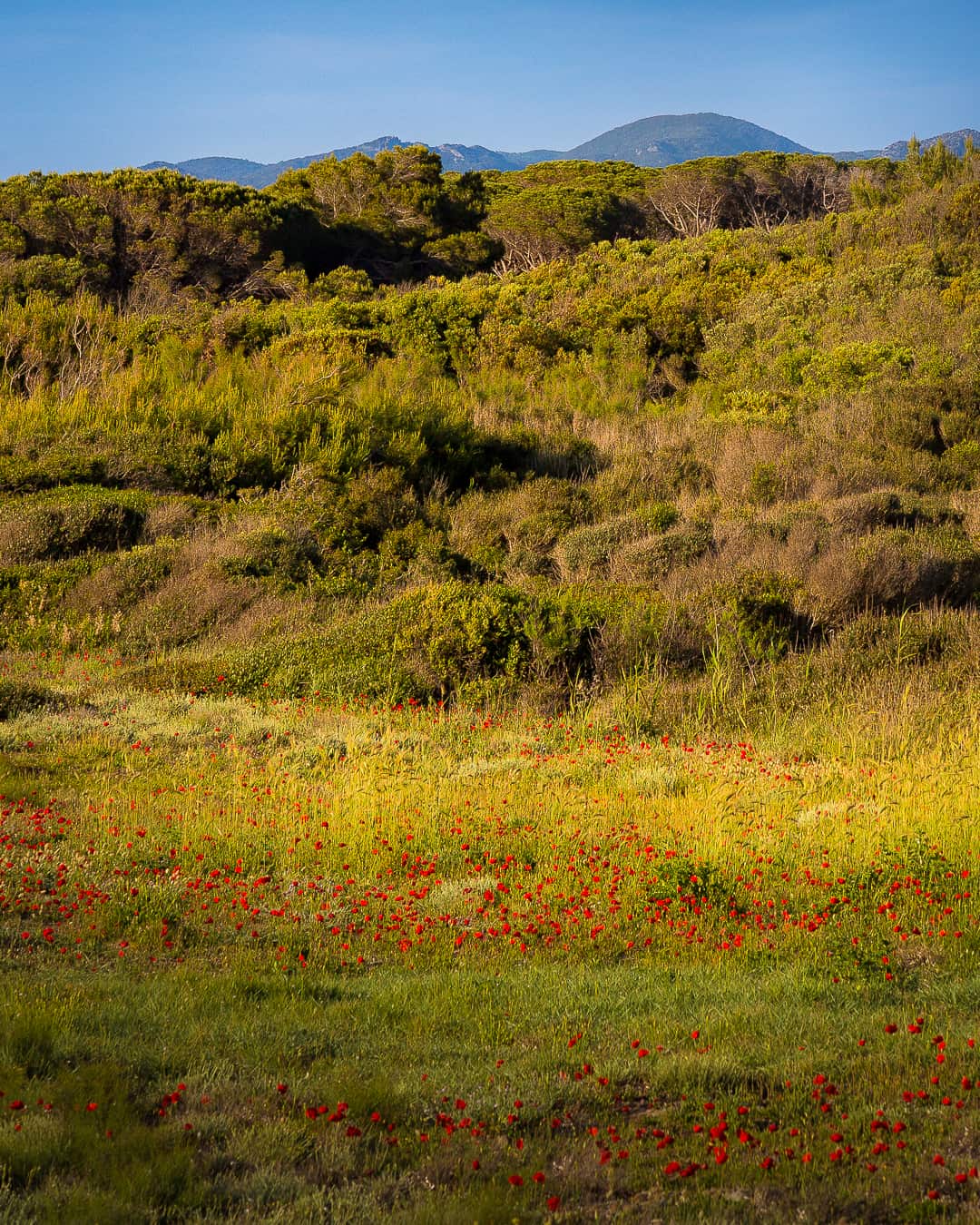
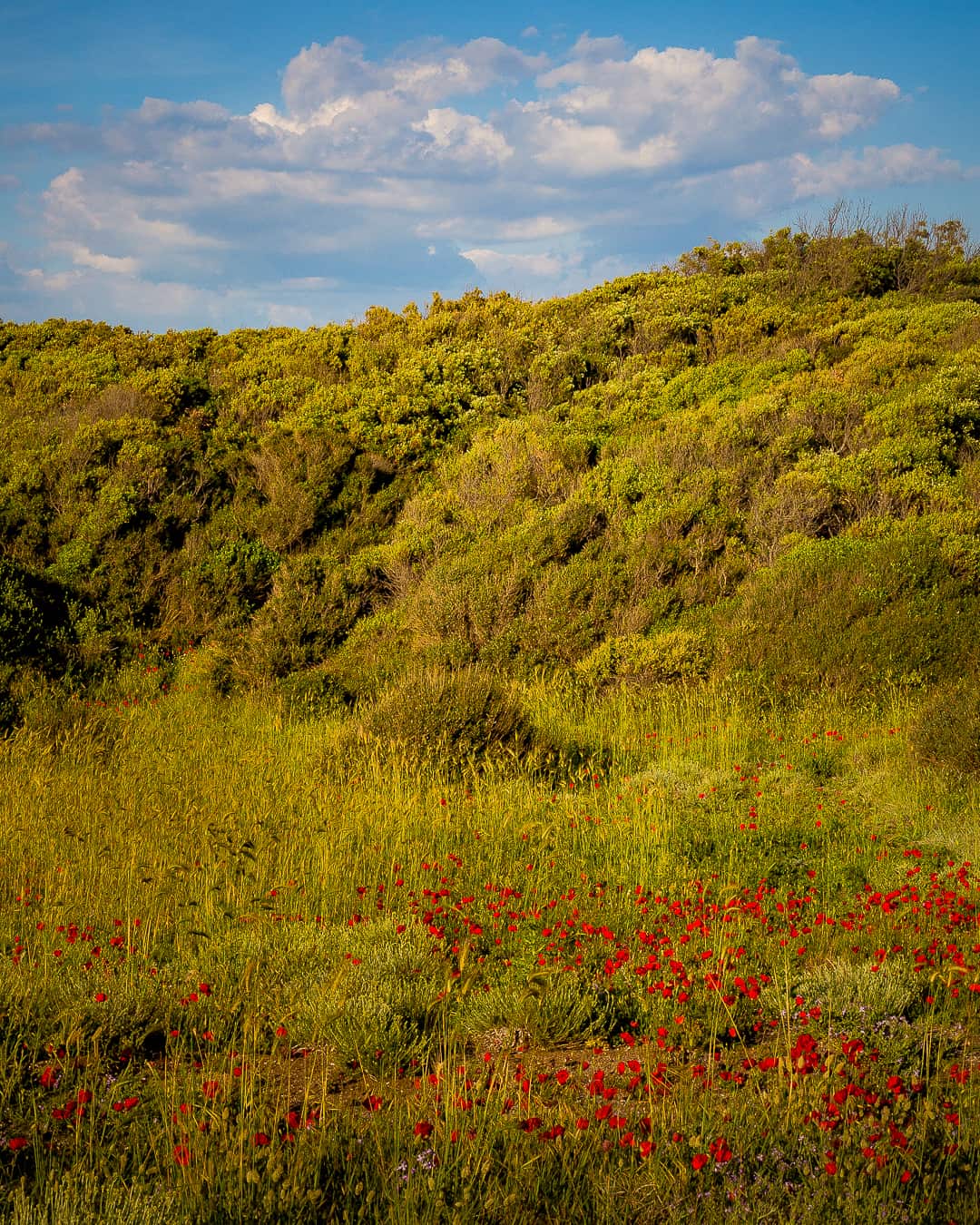
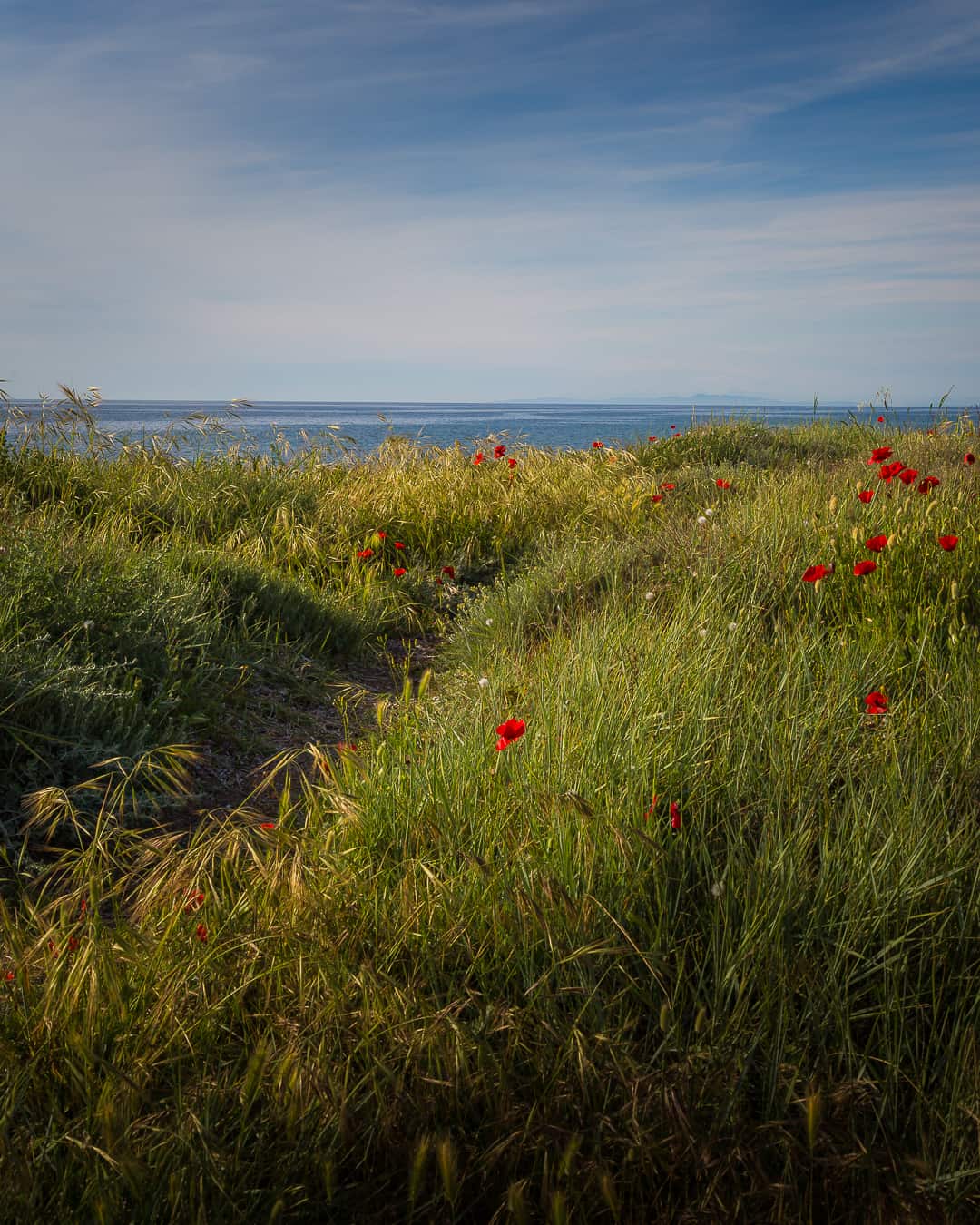
In spring, behind the beach, the tall grass and maquis shrubs blaze with poppies.
In the park, paths through holm-oak and cork-oak woods lead to the Grotte necropolis, with chamber tombs cut into the rock of an ancient quarry.
It is a landscape that smells of resin and salt, and changes colour every week.
Poppies
Red poppies in the grass, backlit. In spring the meadows behind the gulf fill with red, and the maquis flowers all at once. A single week of sunshine is enough to change the colour of the landscape.
The maquis
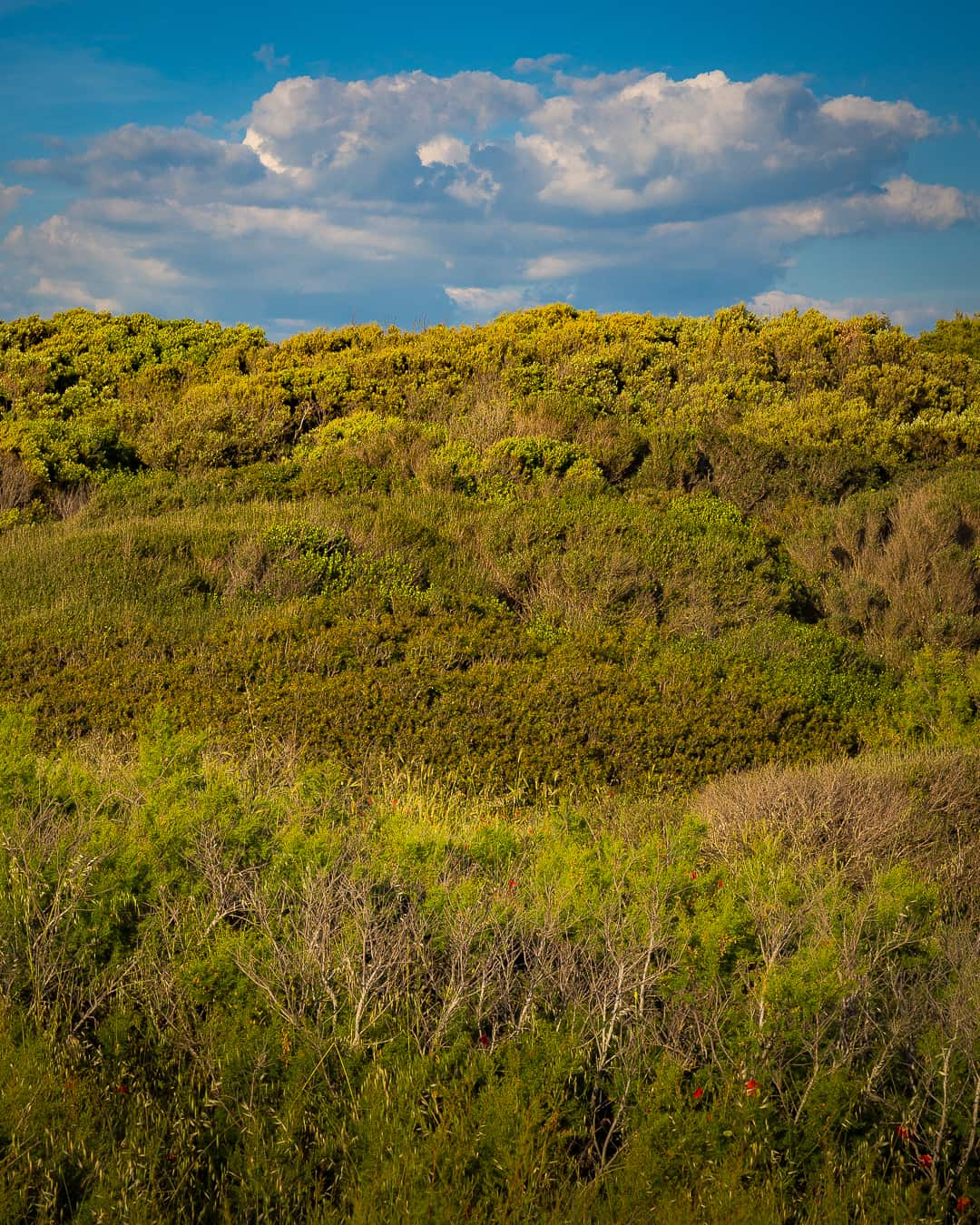
Dry branches, dense shrubs, different greens side by side. Maquis covers the hills of the promontory; through holm-oak and cork-oak woods, the park’s paths lead to the Grotte necropolis, cut by the Etruscans into the rock of an ancient quarry.
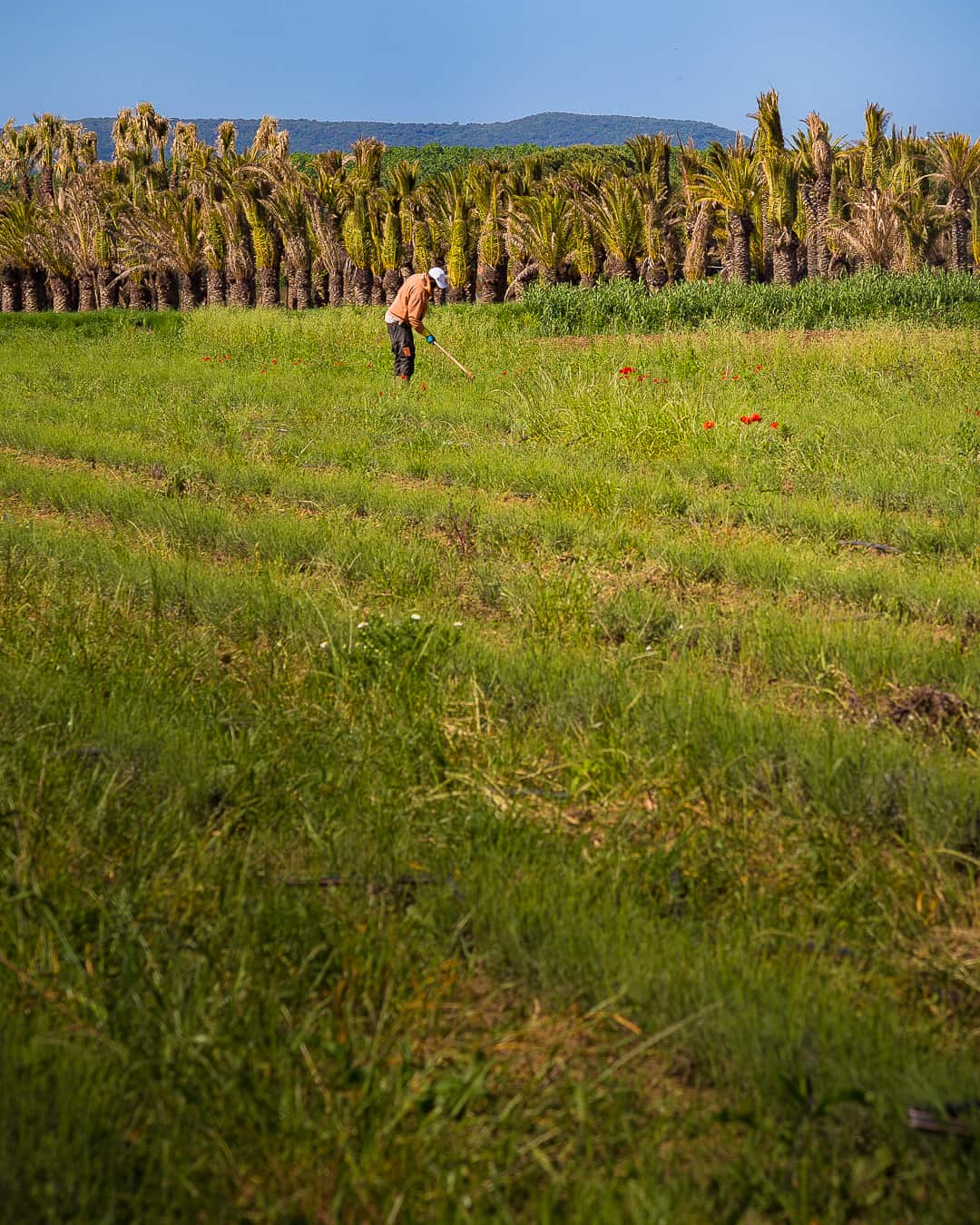
Mowing
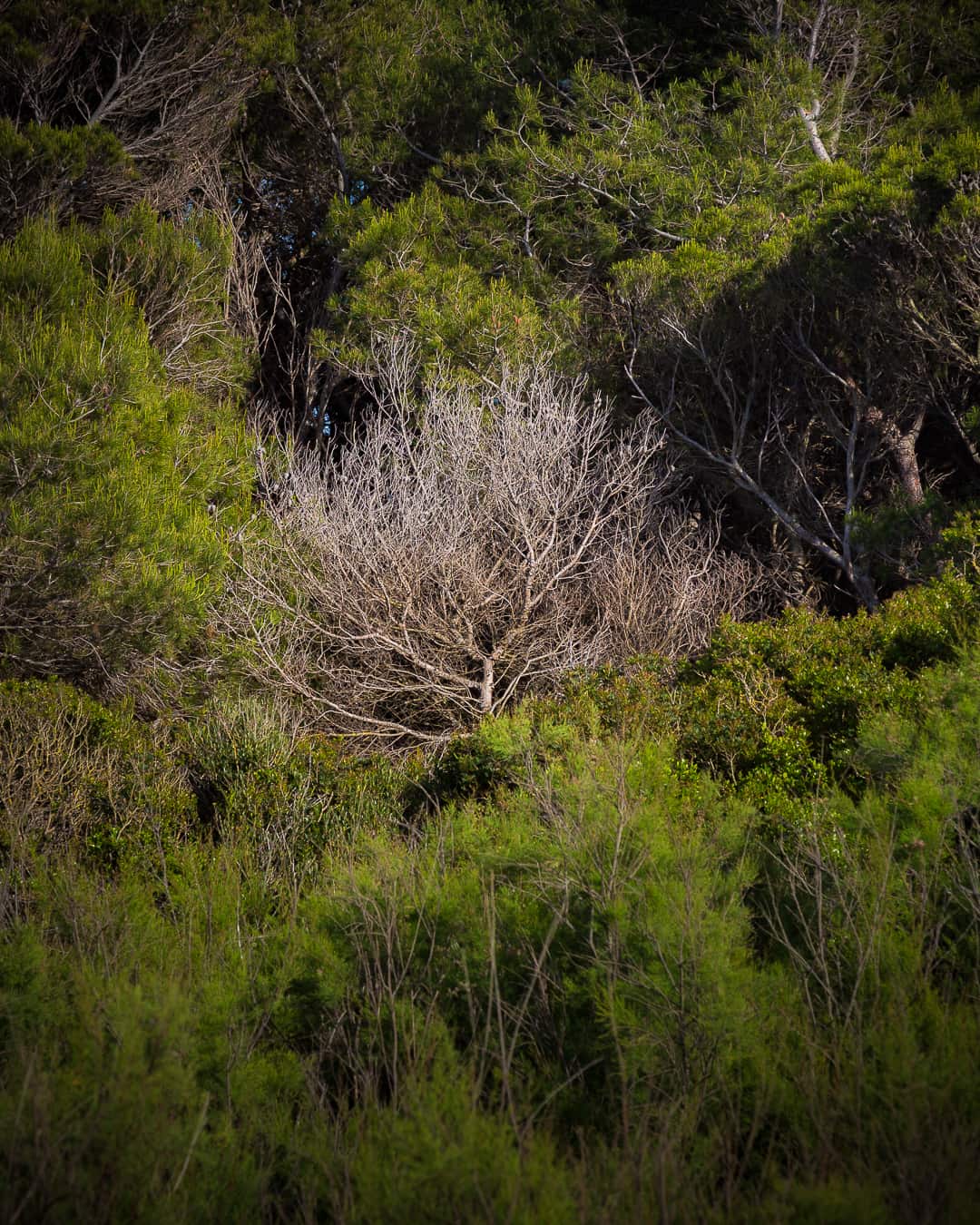
A man mowing the meadow, behind a row of palms. The gulf does not live on archaeology and beaches alone: it is also countryside, with age-old work that follows the seasons.
IV
In the shade of the pines
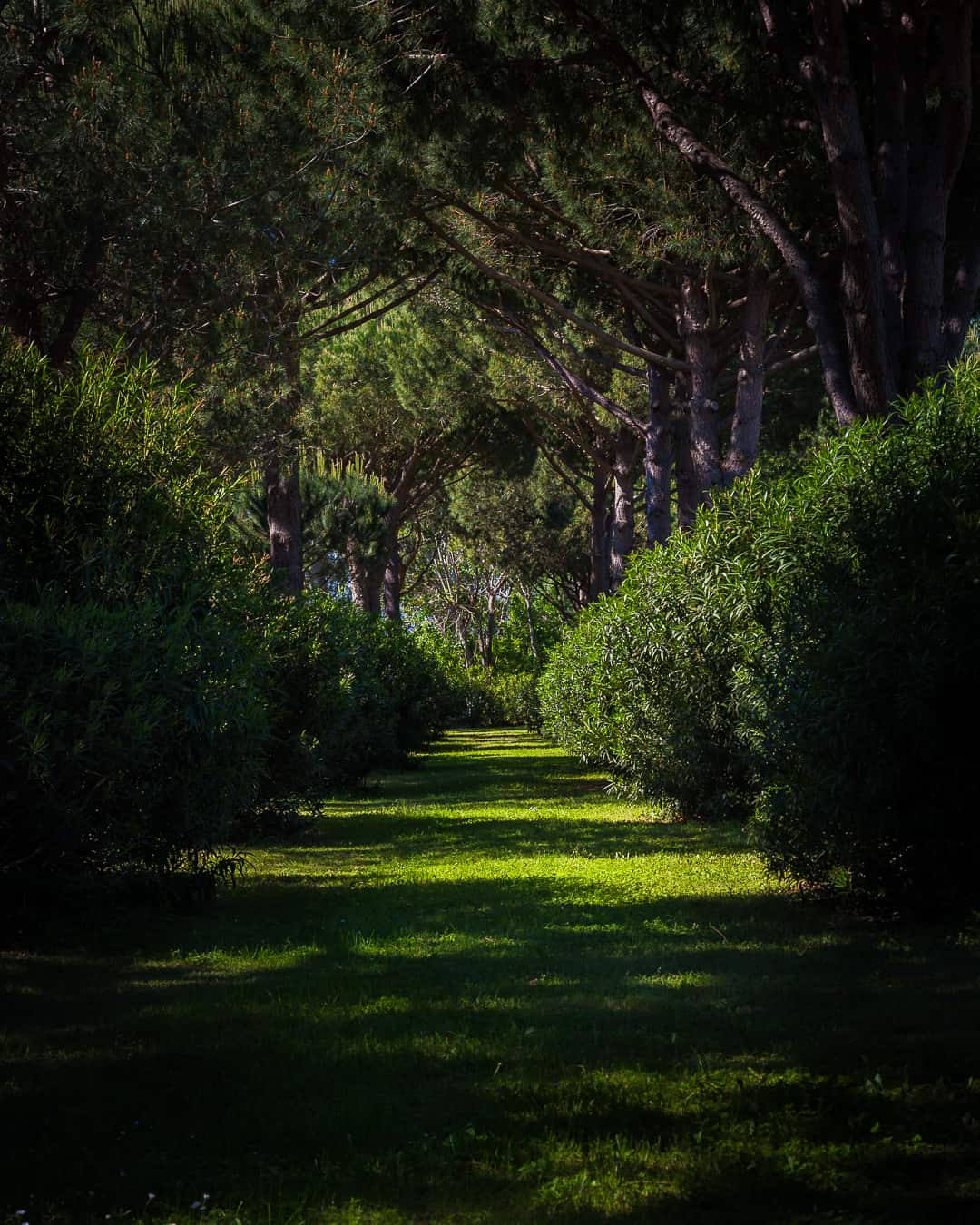
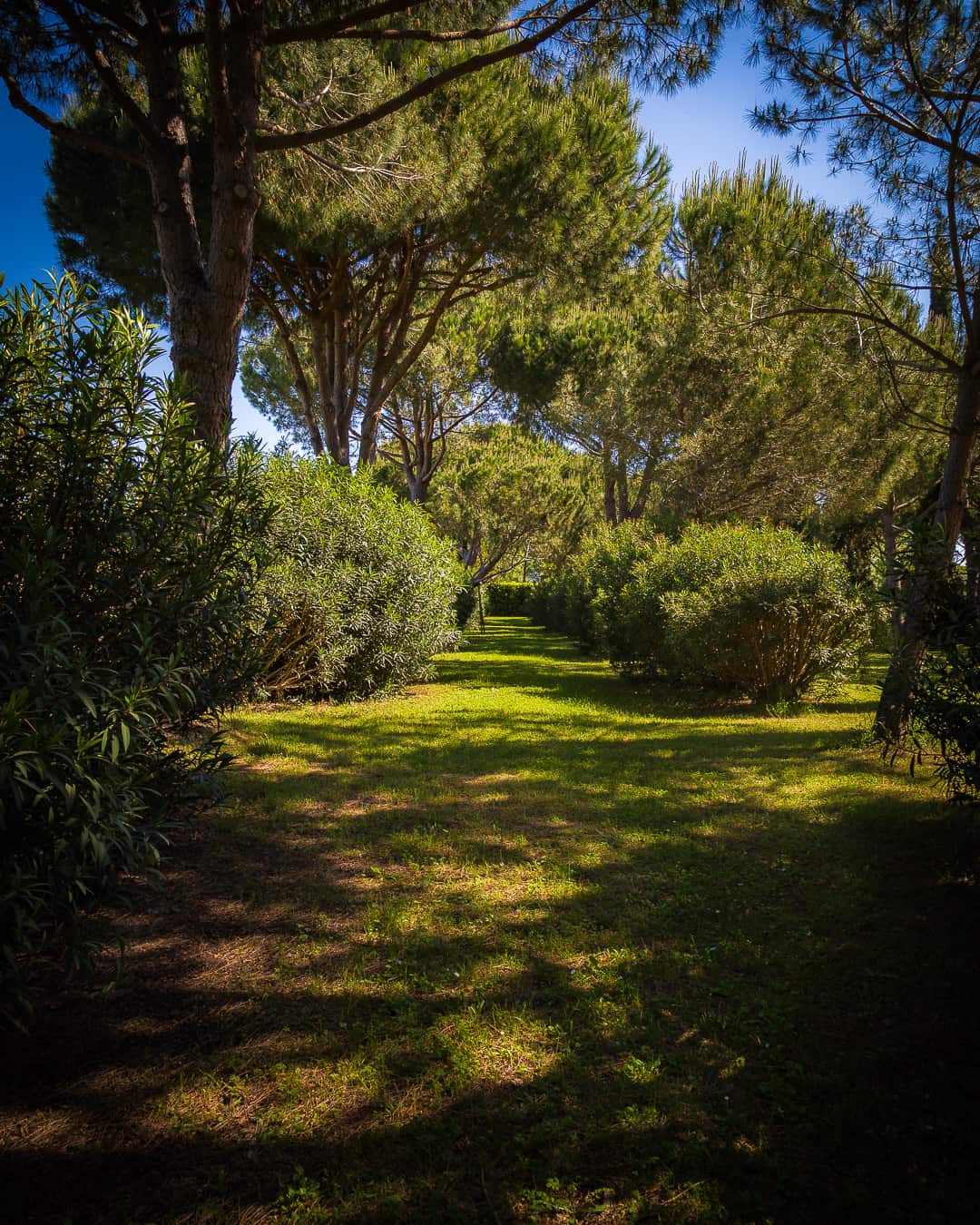
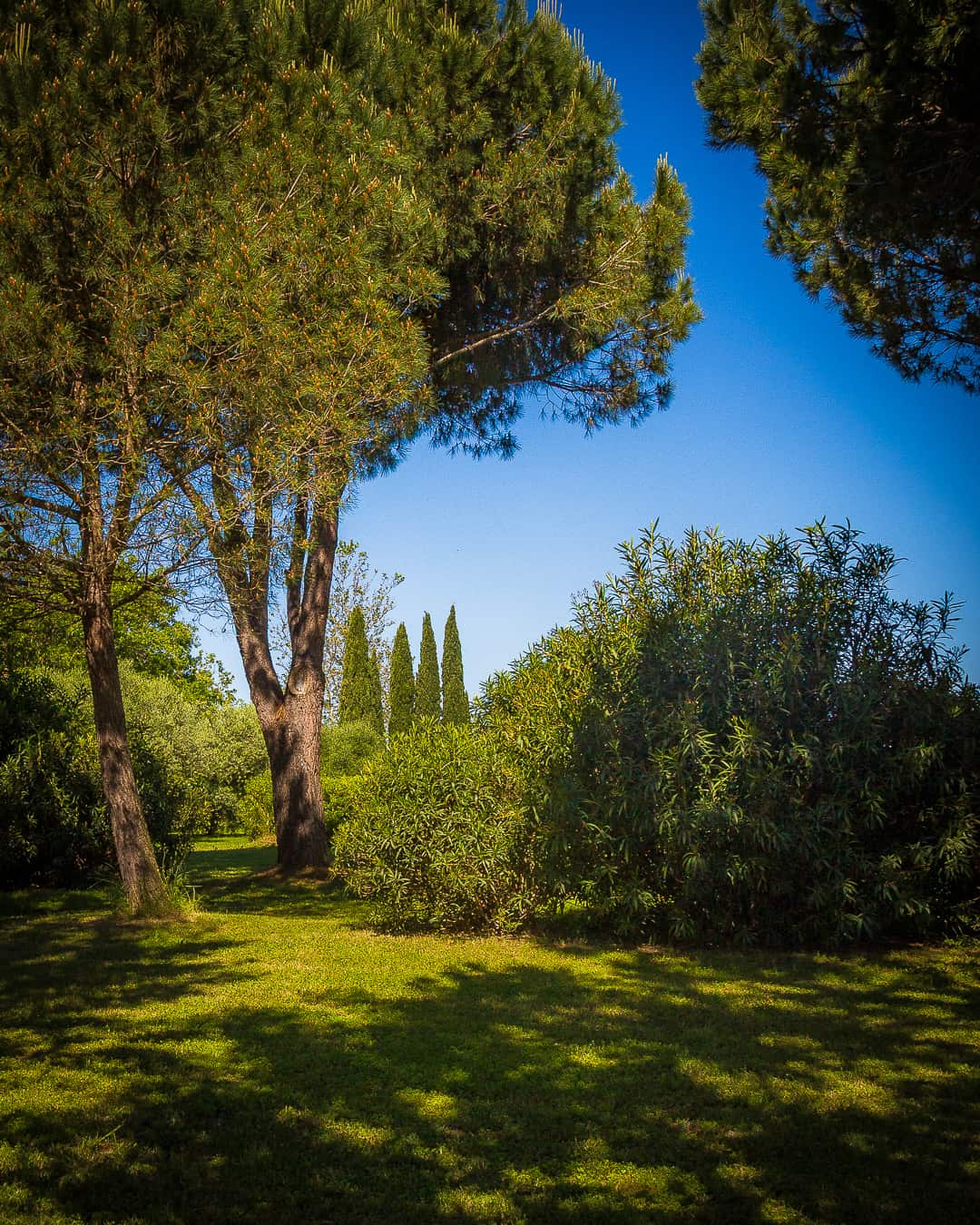
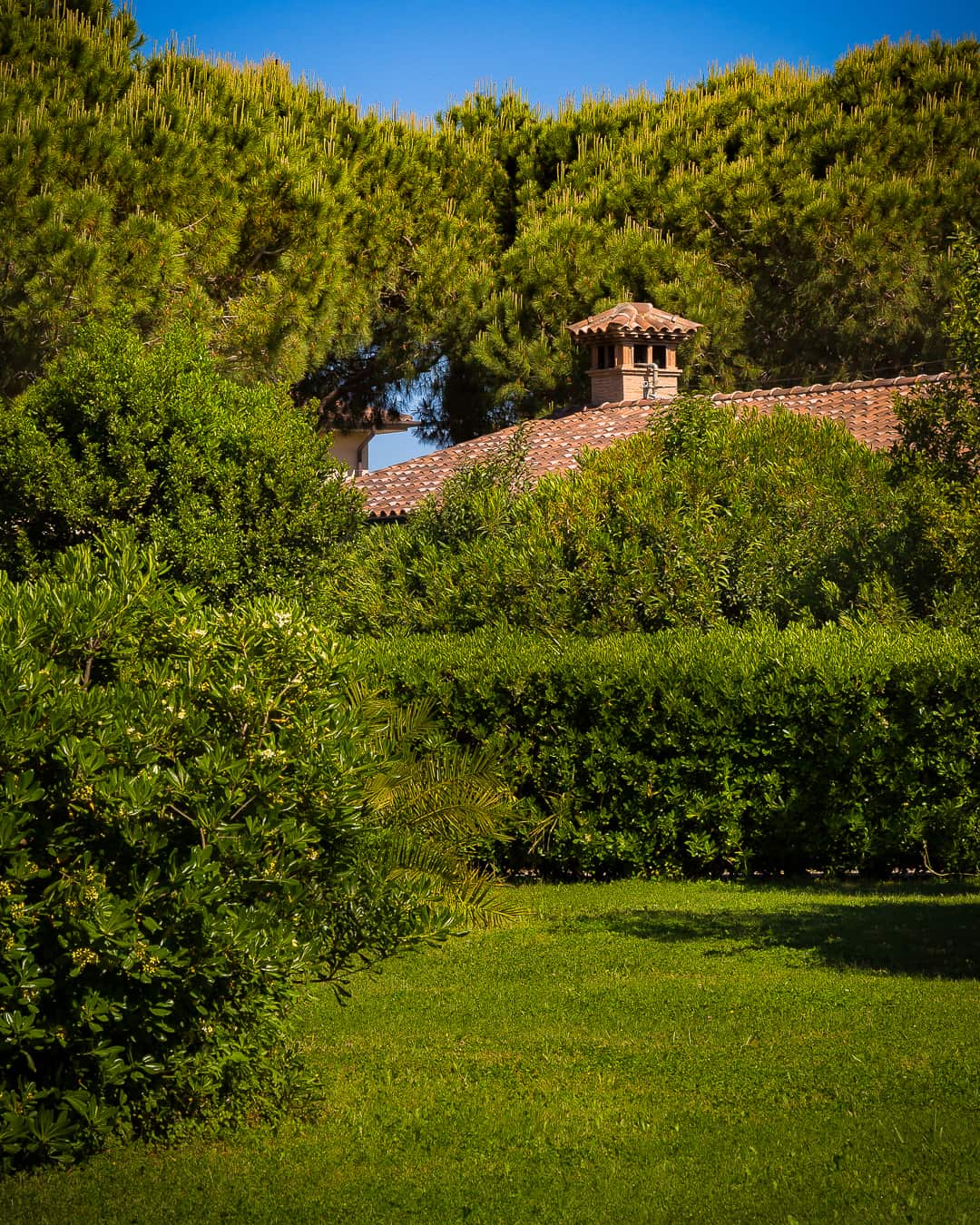
Stone pines, gravel drives, oleander hedges: the Etruscan Coast has a garden face too.
In the hot hours, the shade of the pines is the best place on the gulf.
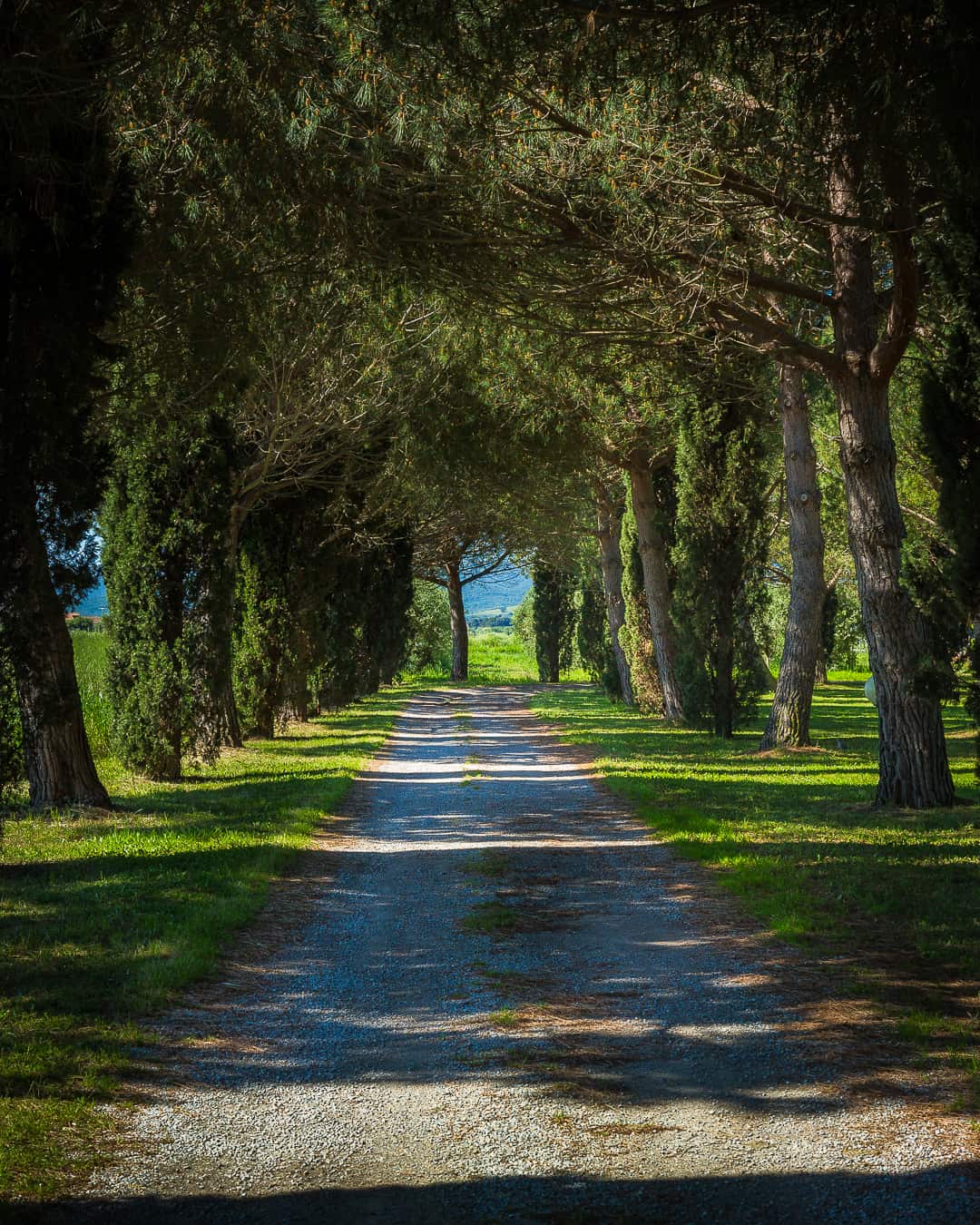
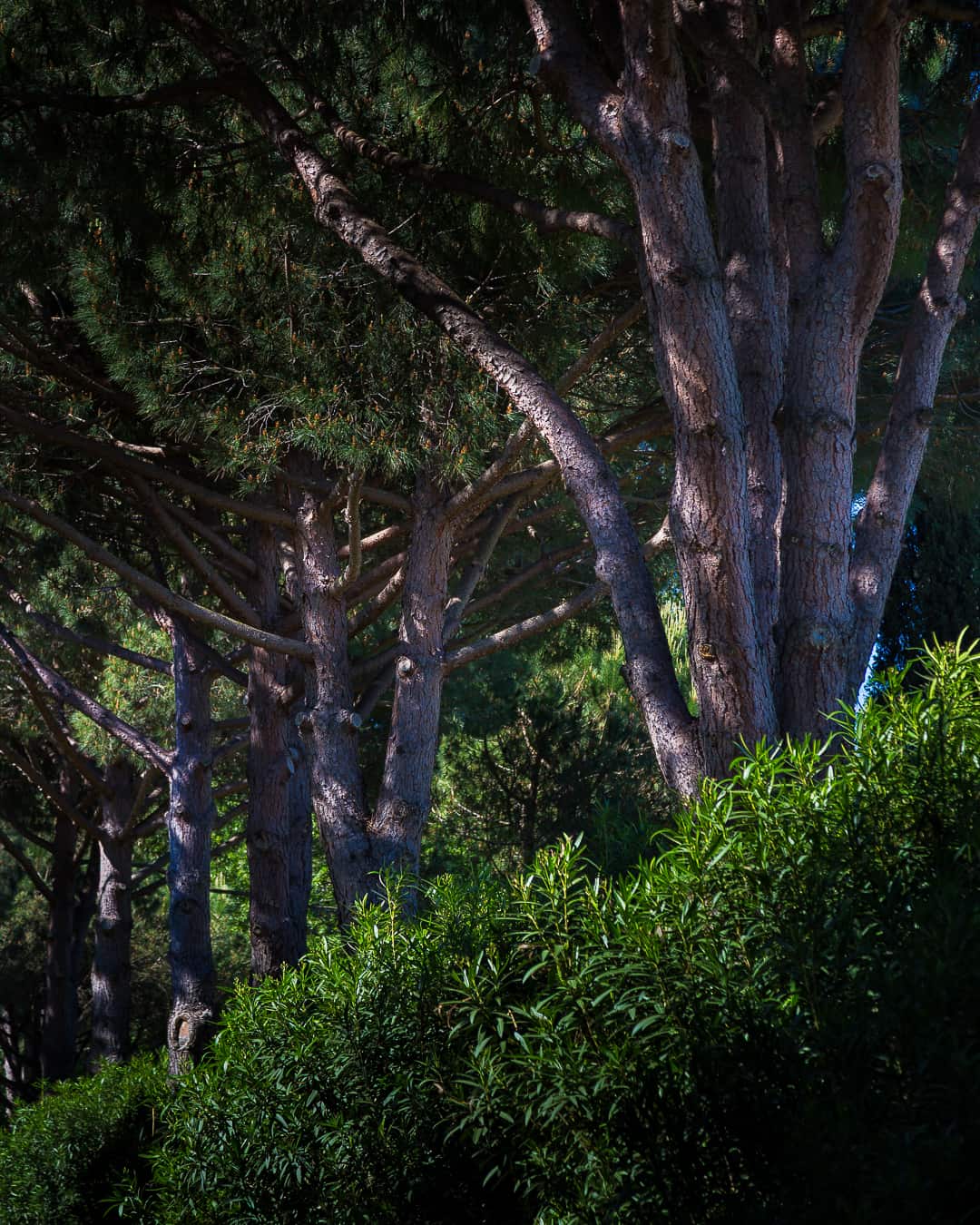
The pines
Pale trunks, umbrella crowns, filtered light. The stone pine is the signature of the Tuscan coast: it gives shade, the scent of resin and, in summer, the song of the cicadas.
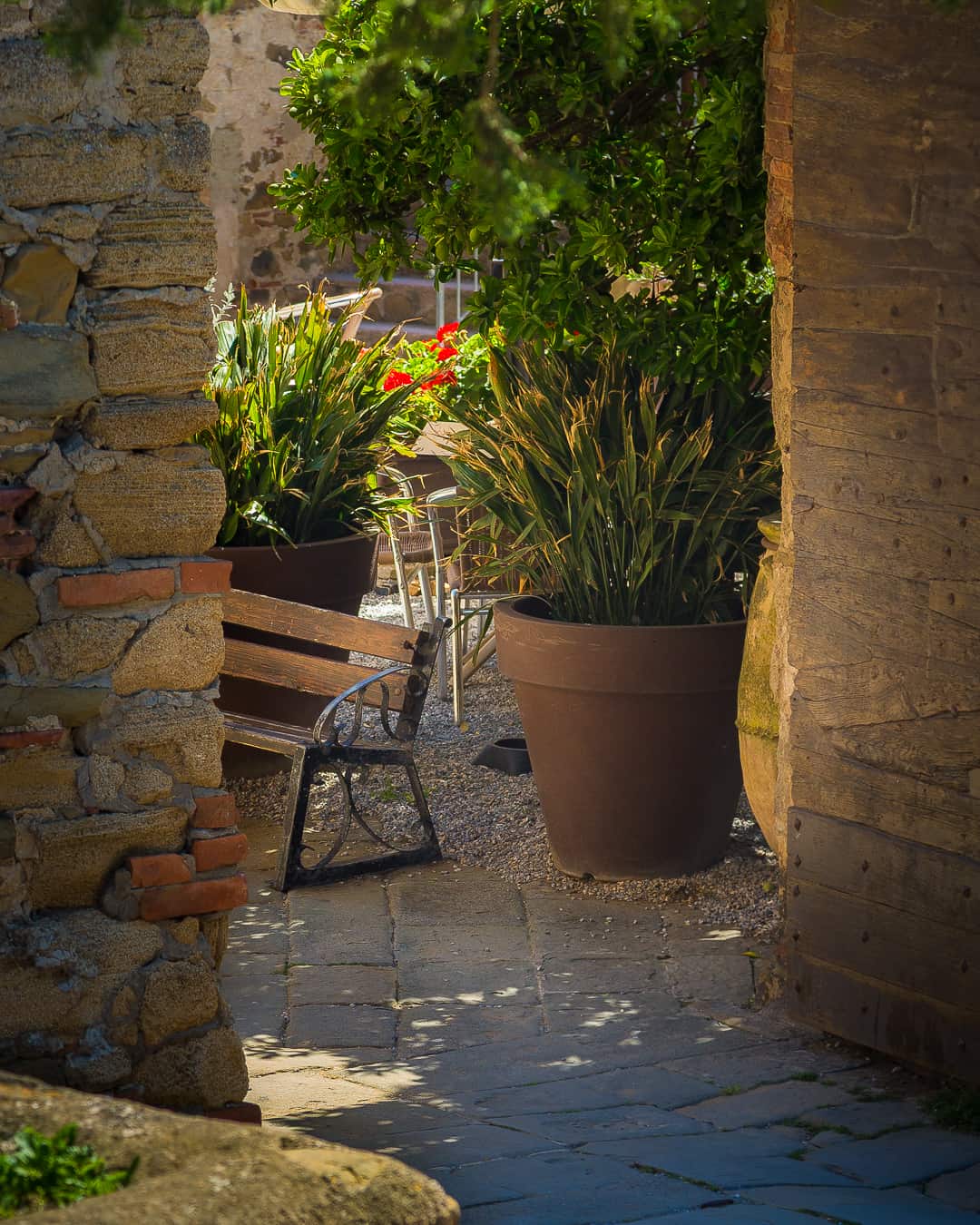
The courtyard
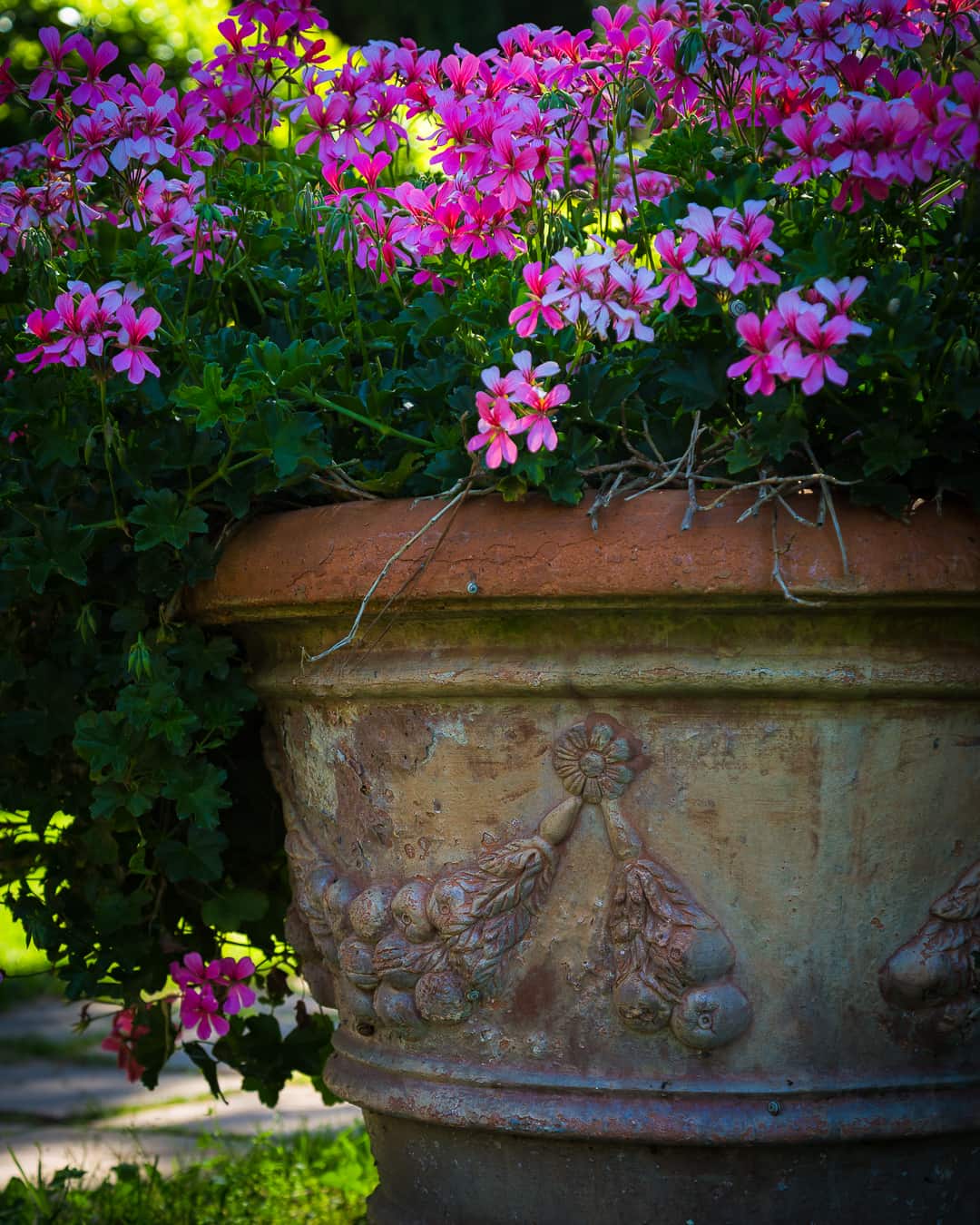
Stone walls, pots, a bench in the shade. On this coast the stone is local and warm in colour. Around the gulf the ancients quarried panchina, a local sandstone, and the quarry faces can still be seen beside the tombs.
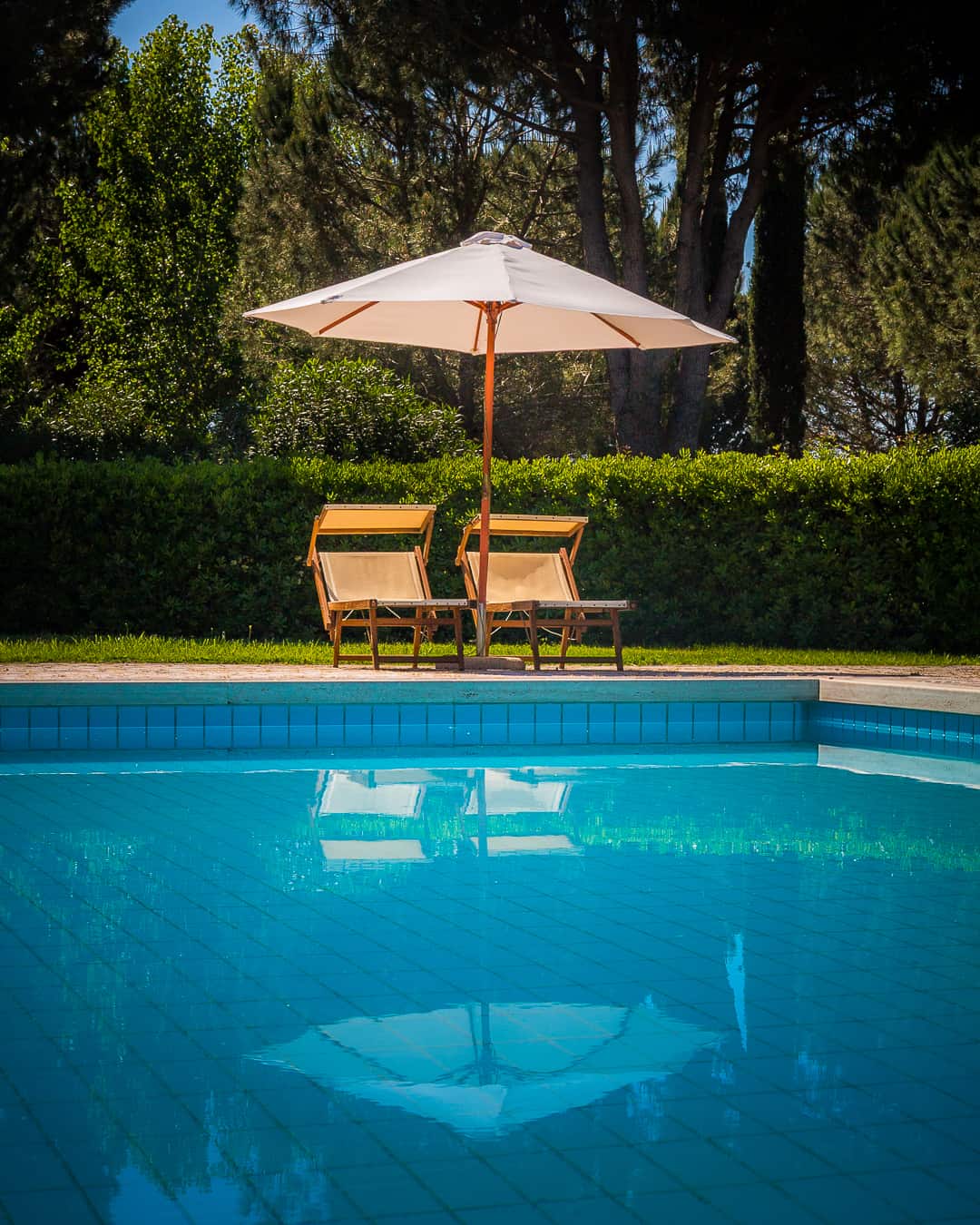
The pool
A blue pool, two loungers, a white parasol. After a morning among Etruscan tombs and fortresses, the gulf can also offer a pause, in the shade and in no hurry.
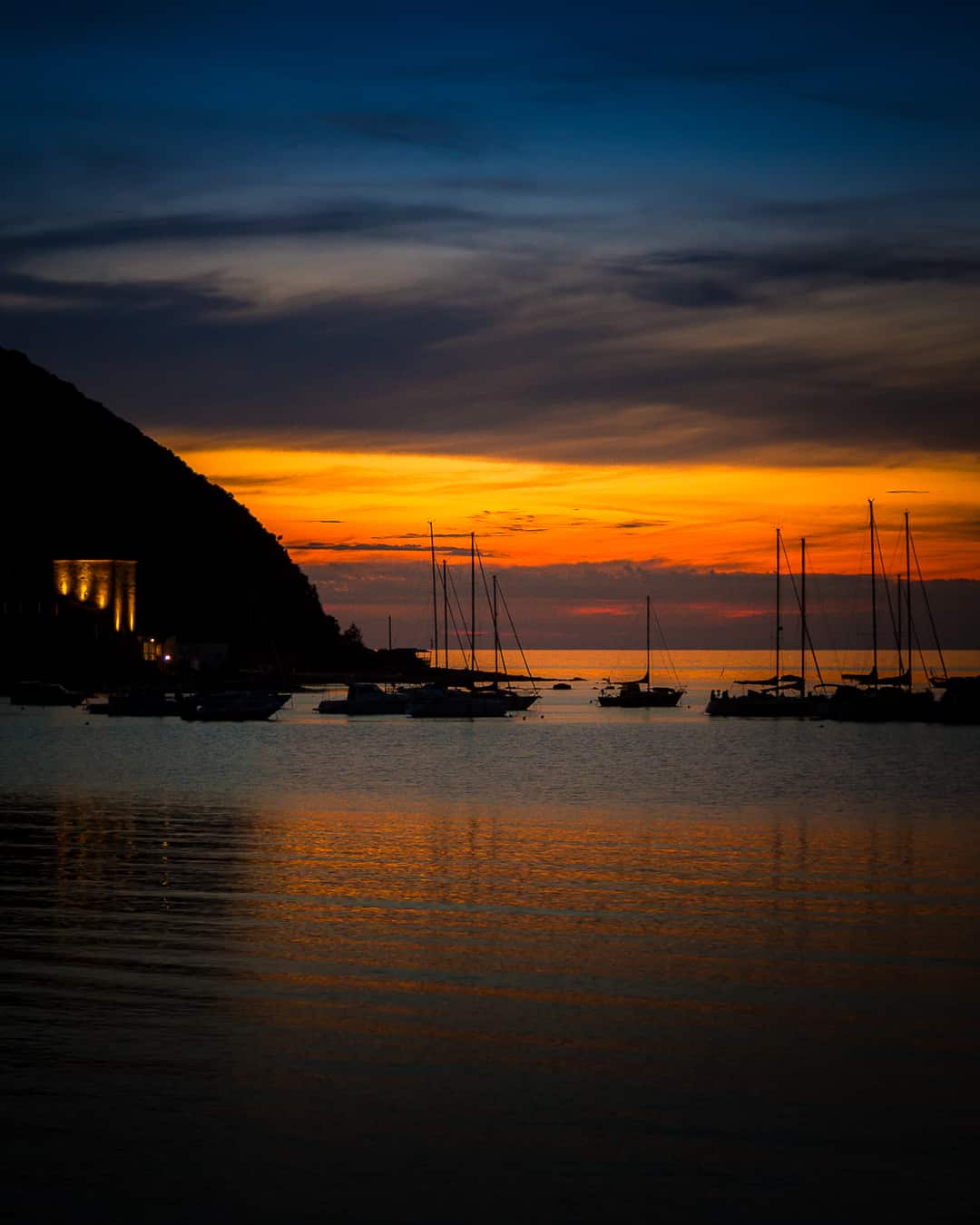
V
Sunset
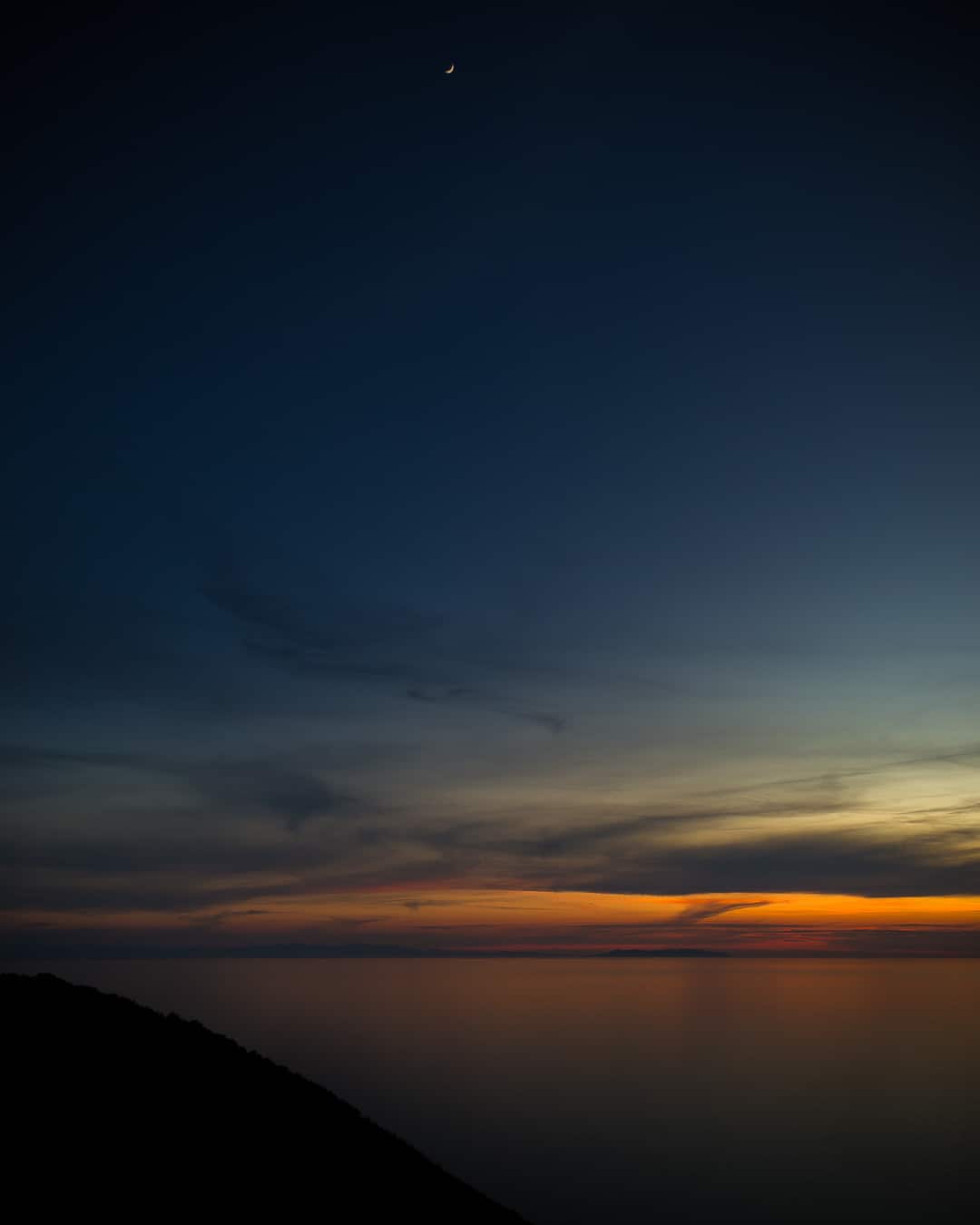
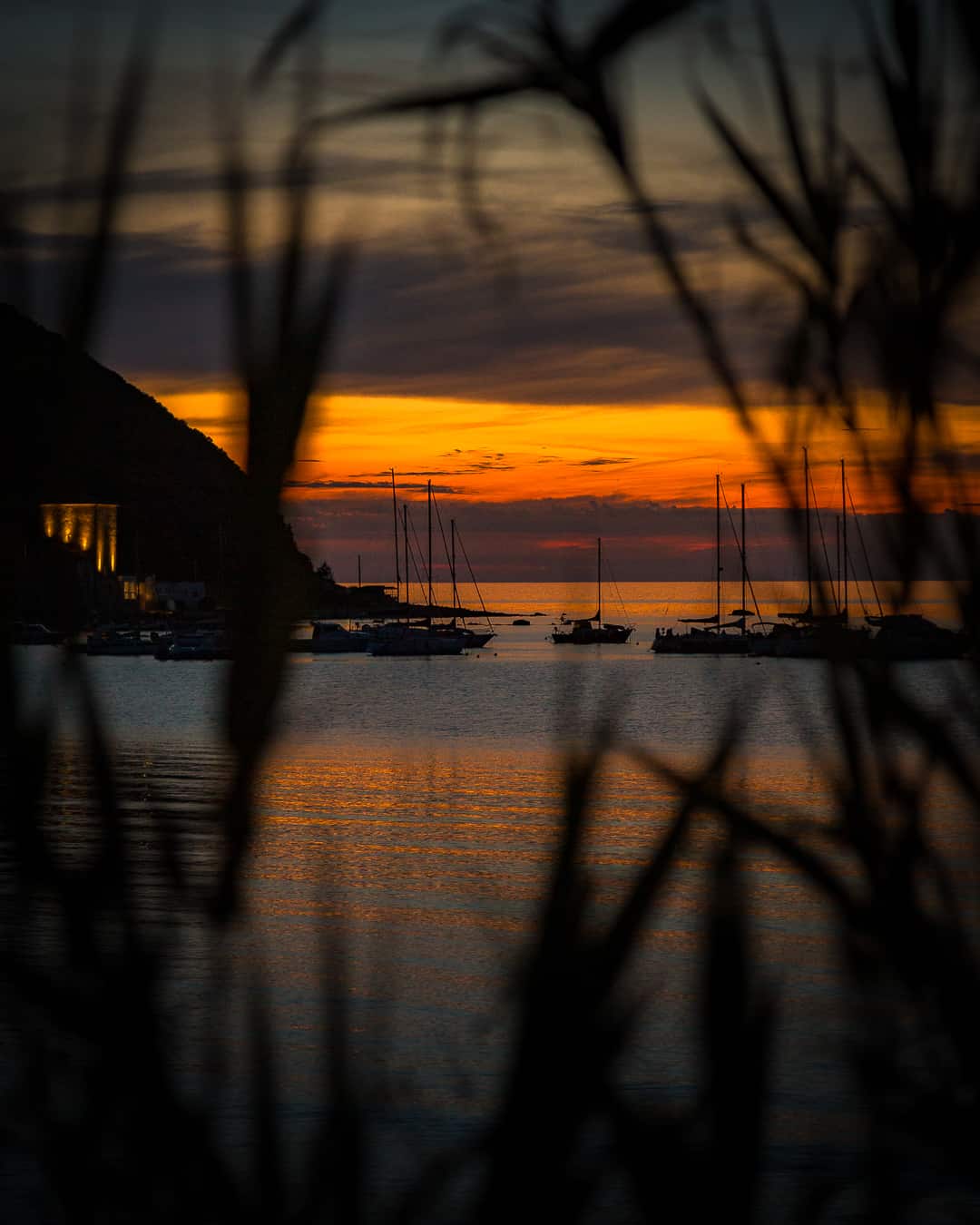
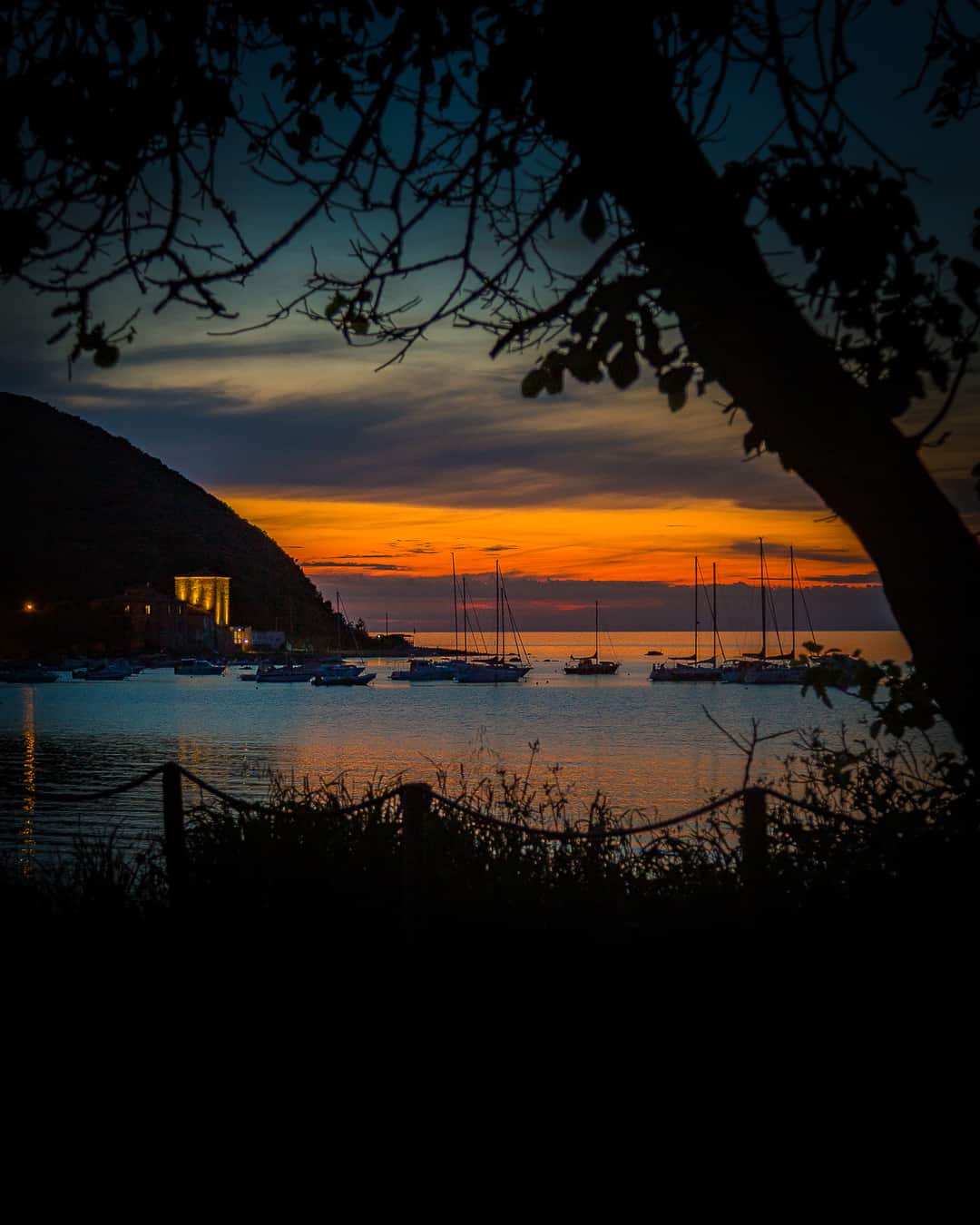
In the evening the sun sinks behind the promontory, the boats at anchor turn into silhouettes and the sea goes orange.
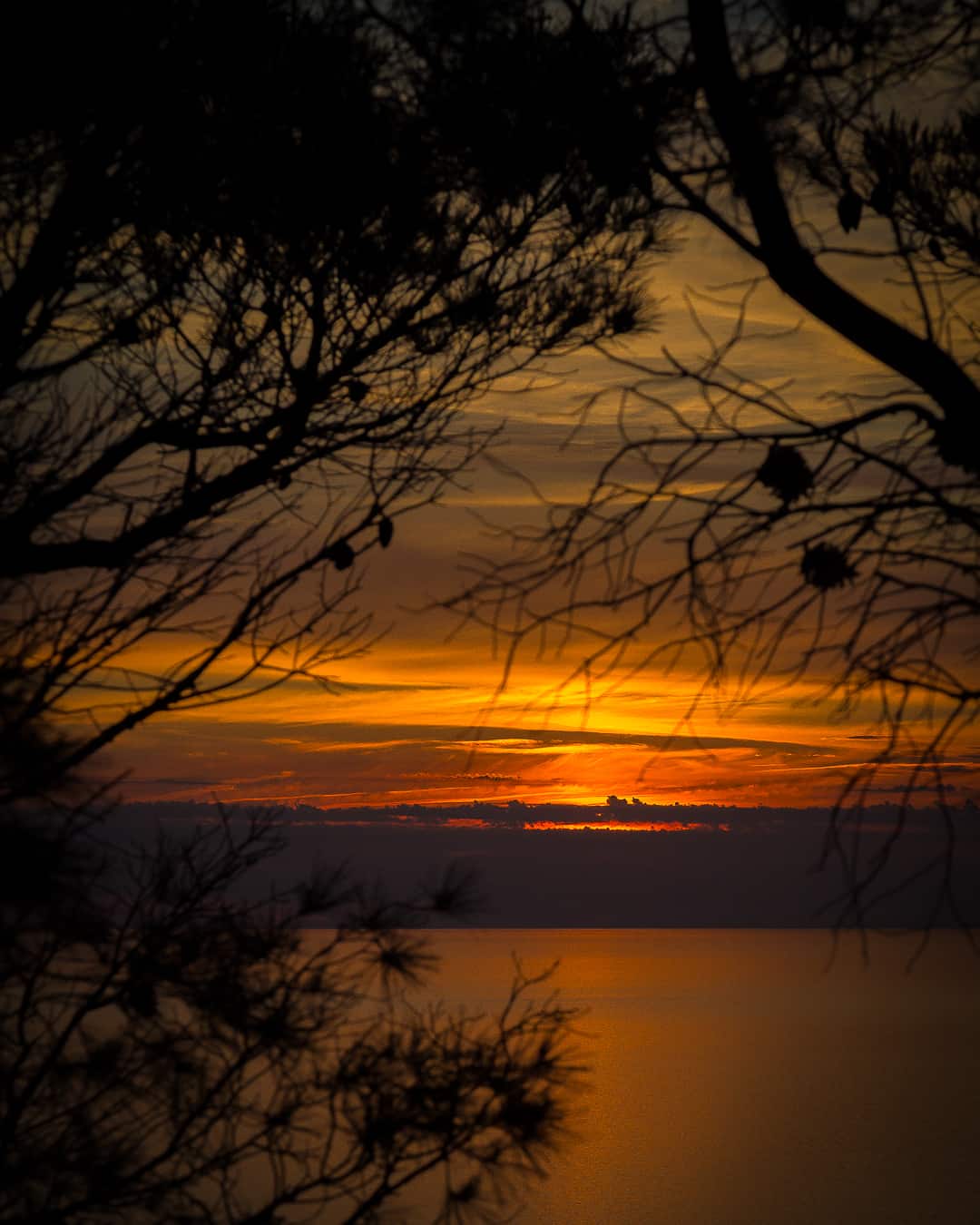
In summer, on certain evenings, the archaeological park stays open until sunset: you walk among the tombs as the light fades over the sea.
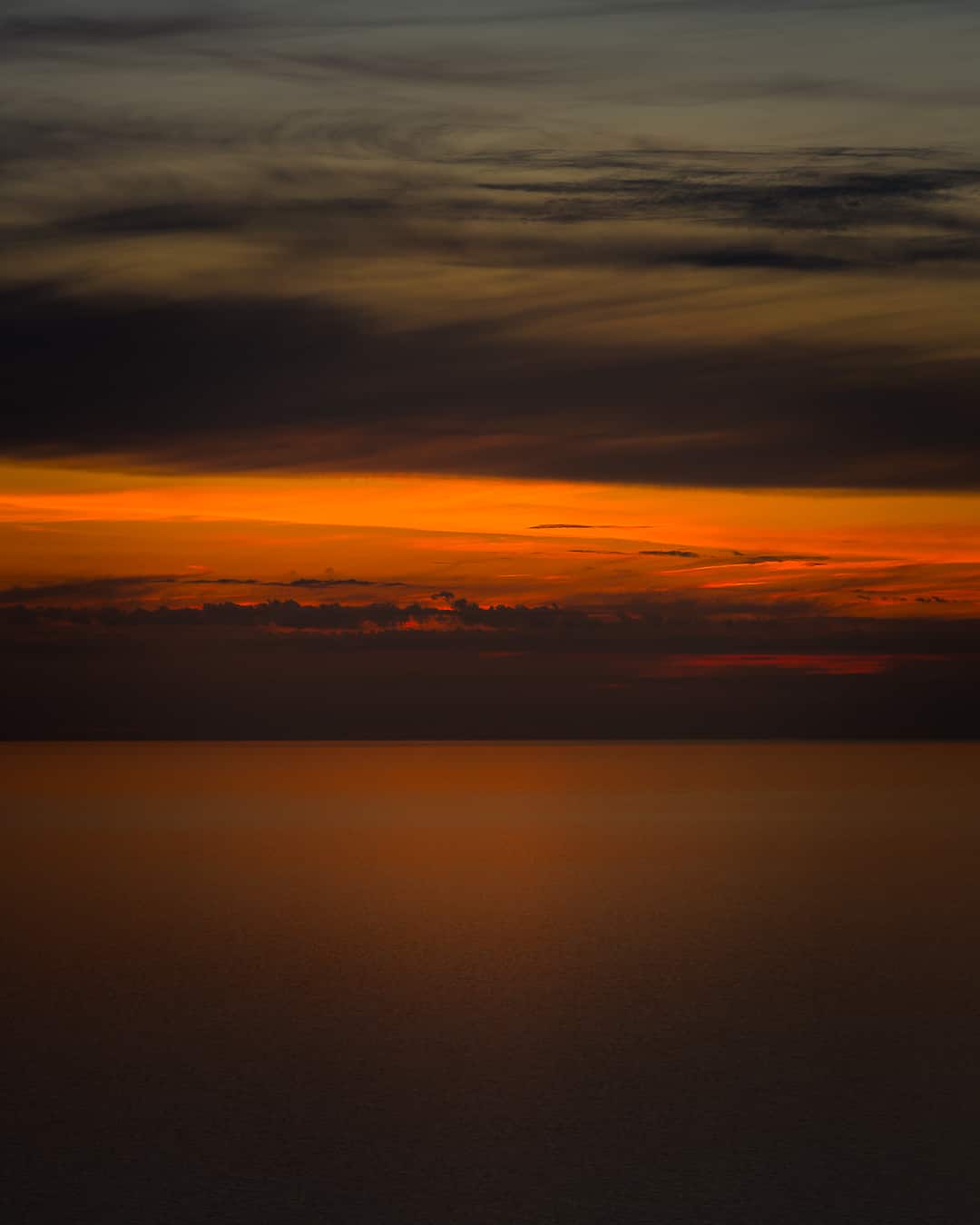
The horizon
A strip of orange between dark clouds, a still sea. In summer, on certain evenings, the archaeological park stays open until sunset: you walk among the tombs as the light fades over the gulf.
Getting there
- Where
- Baratti, part of Piombino (Livorno), at the northern tip of the Piombino promontory.
- The park
- Two entrances: one on the gulf (necropolis), the other at Populonia Alta (acropolis). Opening times change with the seasons, so check them on the Parchi Val di Cornia website.
- The museum
- In Piombino, the Museo archeologico del territorio di Populonia holds most of the finds.
- In Populonia
- The fortress, with its tower climb, and the Collezione Gasparri.
- Our advice
- Go up to Populonia in the afternoon and come back down to the gulf for sunset.
Information checked on 21 November 2026.
Sources
- Parco archeologico di Baratti e Populonia — Ministero della Cultura
- Parco archeologico di Baratti e Populonia — Italia.it
- Il Parco archeologico di Baratti e Populonia — Visit Tuscany
- Alla scoperta degli Etruschi nel golfo di Baratti — Visit Tuscany
- Baratti — Visit Tuscany
- Cosa vedere nel Parco archeologico di Baratti e Populonia — Visit Tuscany
- Populonia — Visit Tuscany
- Borghi medievali della Costa degli Etruschi — Visit Tuscany
- Le due vite di Populonia, antica terra di ferro — Finestre sull’Arte
- Populonia — Italia.it
- Baratti and Populonia Archaeological Park — Wikipedia
- Il sistema dei Parchi della Val di Cornia — Parchi Val di Cornia
- Estate 2026, eventi nei parchi — Parchi Val di Cornia
- Baratti, approdo naturale rimasto intatto — Quotidiano.net
- Museo archeologico del territorio di Populonia — Ministero della Cultura
Note
Photographs by William, also published on Instagram as @guglielmo.foto.
Texts and layout: WIDE Edizioni, Rho. Historical and practical information is checked against the sources on the previous page.
© 2026 WIDE Edizioni
A book for your place
We photograph villas, museums, villages and landscapes in natural light, and turn them into images ready for your website, print and social media. Or into pages to leaf through, like these.